What Is Fine Weight Yarn? A Beginner’s Guide to Sport Weight
THIS ARTICLE CONTAINS AFFILIATE LINKS THAT SUPPORT HANDY LITTLE ME CONTENT AND FREE PATTERNS.Fine weight yarn is a thin yarn often used for lightweight sweaters, baby garments, shawls, and small accessories.
You’ll usually see it called sport weight yarn, and it sits between fingering and DK in thickness.
If you’ve ever wondered whether sport, fine, baby yarn, and 5 ply mean the same thing, this guide will help you choose your yarn with more confidence.
We’ll look at how to recognize fine weight yarn, which needles and hooks to use, and what you can make with it.
What Is Fine Weight Yarn?
Fine weight yarn belongs to category 2 — Fine in the Craft Yarn Council’s standard yarn weight system.
Sport is the most familiar name for yarn in this category.
It is generally thicker than fingering yarn and thinner than DK.
Here, “weight” describes the thickness of the strand rather than the weight of the ball.
Two balls can both weigh 50 g but contain very different lengths of yarn.
For an overview of the categories, see my yarn weight guide and conversion chart.
Is Fine Weight Yarn the Same as Sport Weight?
Yes—sport weight is commonly used to describe category 2 fine yarn.
You may find “sport” on a pattern and “fine” or the number 2 on the yarn label.
However, yarn categories cover a range of thicknesses.
Two sport yarns won’t necessarily produce identical fabric.
Use the category to narrow down your choices, then check the pattern’s gauge and yarn recommendations.
Is Sport Weight Yarn 4 Ply or 5 Ply?
Sport weight is often described as 5 ply in regional yarn weight terminology.
4 ply usually refers to fingering weight, which is generally thinner than sport.
The word “ply” can also describe the number of individual strands twisted together to make a yarn.
That means a yarn made from five strands isn’t automatically sport weight.
When choosing yarn, look at the manufacturer’s weight classification and recommended gauge rather than relying on the ply number alone.
Is Baby Yarn Always Fine Weight?
No. “Baby yarn” describes yarn marketed for baby projects, rather than one fixed thickness.
You can find baby yarn in fingering, sport, DK, and other weights.
For a baby garment or blanket, check the yarn’s weight, fiber content, feel, and washing instructions.
A yarn with “baby” in its name won’t necessarily match the yarn used in your pattern.
How Do You Recognize Fine Weight Yarn?
Start with the ball band or the manufacturer’s website.
Look for:
- Weight classification: Sport, fine, category 2, or a regional description such as 5 ply.
- Suggested gauge: Compare it with the gauge required by your pattern.
- Recommended needles or hook: These help you assess the yarn, but they aren’t fixed rules.
- Length and ball weight: Check both when comparing yarns.
- Fiber content and care instructions: These affect the finished fabric and how you’ll look after it.
Some manufacturers use their own yarn groups instead of the numbered category system.
If the label doesn’t say “category 2,” check the maker’s description and make a swatch before deciding whether it suits your project.
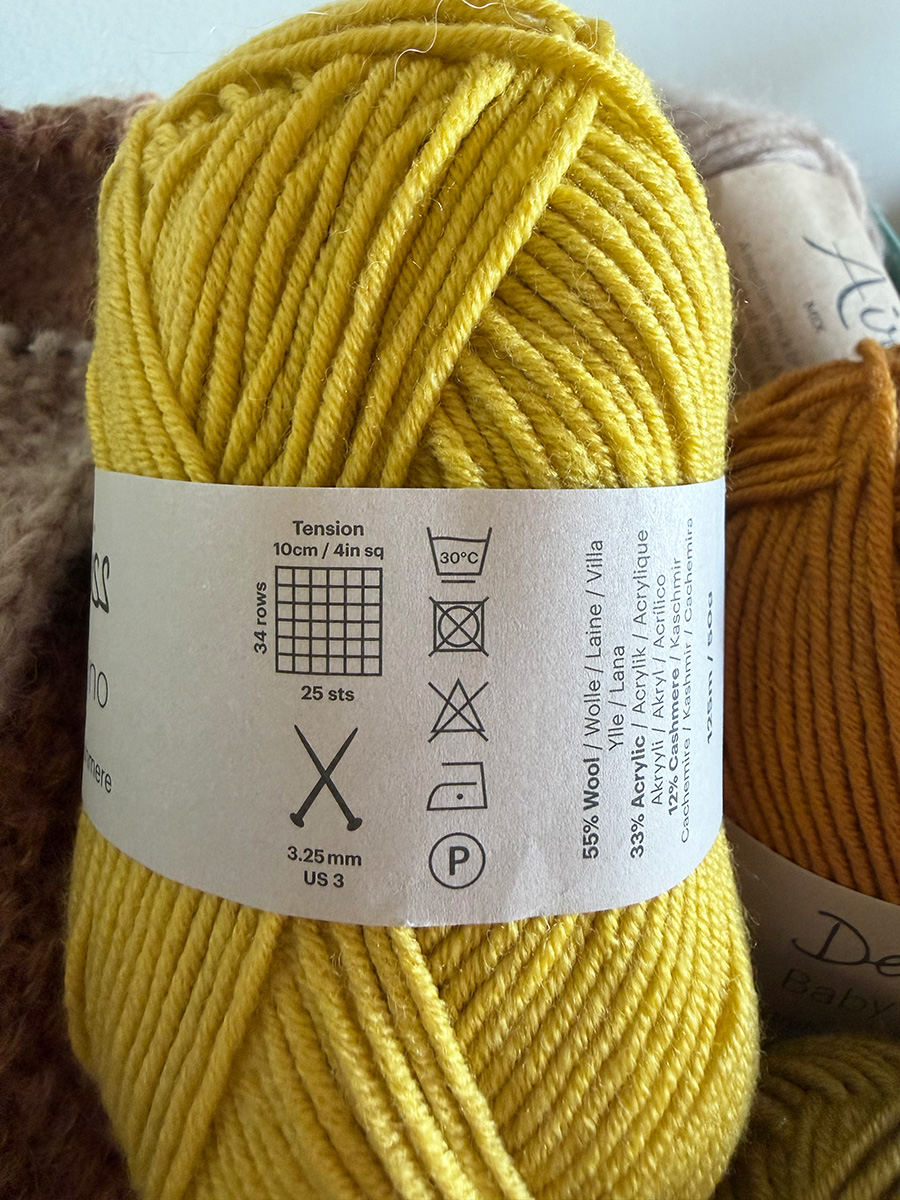
My guide to reading a yarn label explains the details to check before you start.
What Size Needles or Hook Should You Use?
The Craft Yarn Council gives these general guidelines for category 2 yarn:
| Measurement | General guideline |
|---|---|
| Knitting needles | 3.25–3.75 mm / US 3–5 |
| Knitting gauge | 23–26 stitches per 4 inches / 10 cm in stockinette stitch |
| Crochet hooks | 3.5–4.5 mm / US E-4–7 |
| Crochet gauge | 16–20 stitches per 4 inches / 10 cm in single crochet |
These are starting points. Follow your pattern’s gauge and adjust your needle or hook size to achieve the fabric it requires.
A lace shawl may use larger needles for an open fabric, while a small accessory may need firmer stitches.
For help checking a knitting swatch, read my guide to measuring gauge.
What Can You Make With Fine Weight Yarn?
Sport yarn is useful when you want a relatively thin fabric with enough substance for everyday garments and accessories.
Depending on the yarn and pattern, you can make:
- Lightweight sweaters and cardigans.
- Baby hats, garments, and blankets.
- Shawls, wraps, and scarves.
- Mitts, gloves, and other accessories.
- Crochet tops and small projects.
- Socks made with an appropriate yarn and pattern.
The fiber matters as much as the thickness.
A wool yarn and a cotton yarn may both be sport weight, but they can have different stretch, drape, and warmth.
Choose the yarn for the project you want to make rather than assuming every fine yarn will behave the same way.
Related Post: Simple Crochet Baby Blanket Pattern (Blanket Stitch)

Can You Use Sport Weight Yarn for Socks?
Yes, if your sock pattern calls for sport yarn.
Check the yarn’s construction, durability, and care requirements, too.
A delicate yarn that works beautifully for a shawl may not be the best choice for socks worn regularly inside shoes.
Fine Weight vs Fingering and DK Yarn
These names describe neighboring yarn weights:
| Yarn weight | Category | General comparison |
|---|---|---|
| Fingering / Super Fine | 1 | Thinner than sport |
| Sport / Fine | 2 | Between fingering and DK |
| DK / Light | 3 | Thicker than sport |
The boundaries aren’t exact, so a thicker sport yarn may feel quite close to a thinner DK yarn.
You can explore these neighboring weights in my fingering weight yarn guide and DK weight yarn guide.
Examples of Fine Weight Yarn
Here are three sport weight yarns you may recognize—or already have in your stash.
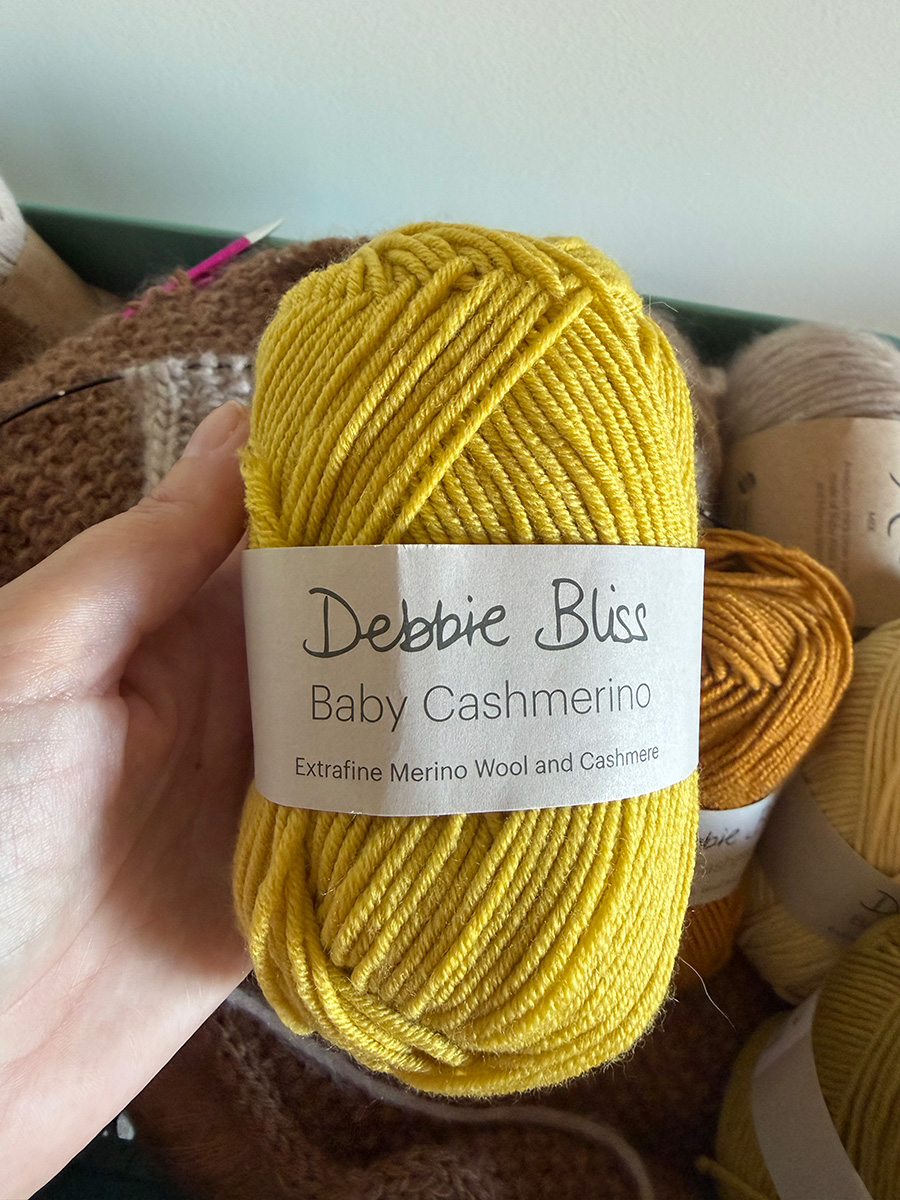
Debbie Bliss Baby Cashmerino
Debbie Bliss Baby Cashmerino is a sport weight yarn made from 55% merino wool, 33% acrylic, and 12% cashmere.
Each 50 g ball contains approximately 125 meters.
It is a soft option for baby garments, blankets, and other lightweight projects.
Check the ball band for washing instructions and make a swatch before substituting it for another yarn.
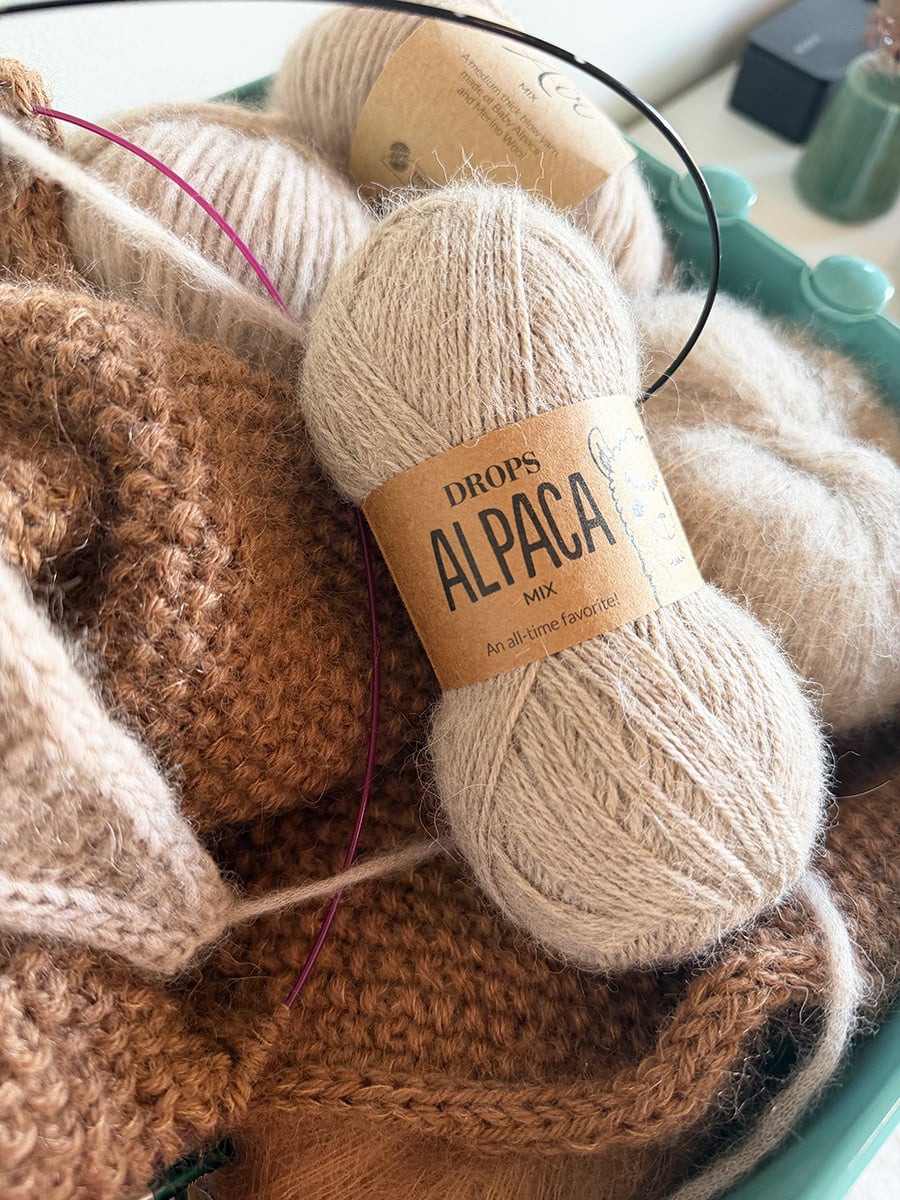
DROPS Alpaca
DROPS Alpaca is a 100% alpaca yarn classified by DROPS as 5 ply / sport.
Each 50 g ball contains approximately 167 meters.
The manufacturer recommends hand washing and drying flat, so check the care instructions before choosing it for a frequently washed project.
DROPS Baby Merino
DROPS Baby Merino is a superwash-treated merino wool yarn classified as 5 ply / sport.
Each 50 g ball contains approximately 175 meters.
It offers a wool option with different care requirements from DROPS Alpaca. Follow the manufacturer’s washing instructions and dry your finished project flat.
DROPS Safran
DROPS Safran is a 100% cotton yarn classified as 5 ply / sport.
Each 50 g ball contains approximately 160 meters.
It provides a cotton alternative when your pattern calls for sport weight yarn, although its finished fabric will behave differently from wool or alpaca.
These examples share a weight classification, but they aren’t automatic substitutes for one another.
Check your pattern, make a swatch, and choose the fabric you’re happiest with.
Can You Substitute Fine Weight Yarn?
Yes, but matching the weight category is only the first step.
Compare the original yarn and your substitute for:
- Fiber content.
- Length per ball or skein.
- Washing instructions.
- Texture and construction.
- Gauge and the feel of the finished fabric.
Make a swatch in the pattern’s stitch, wash and dry it as you’ll wash the finished item, and measure it before starting.
This is especially helpful for garments, where a small difference in gauge can change the fit.
Calculate how much yarn you need by total length, rather than buying the same number of balls.
For more guidance, read my guide to substituting yarn in a knitting pattern.
Can You Use DK Instead of Sport Weight Yarn?
Sometimes, but it isn’t a direct swap.
A thicker yarn may change the size, drape, and density of your project.
Make a swatch and check both the measurements and the fabric. Matching gauge is less useful if the resulting fabric feels too stiff or too loose for the design.
Is Fine Weight Yarn Good for Beginners?
You can use sport weight yarn as a beginner, especially for a simple project with an easy stitch repeat.
A smooth yarn in a light color will make your stitches easier to see.
A scarf, small shawl, or straightforward accessory can help you get comfortable with thinner yarn before moving on to more involved shaping.
If you’re learning your very first stitches, you may find DK or a thicker yarn easier to handle.
Choose a project you’ll enjoy, and give yourself time to practice.
Fine Weight Knitting and Crochet Patterns
Ready to choose a project? Browse these knitting and crochet patterns for ideas to make with fine or sport weight yarn.
Check each pattern’s recommended yarn, gauge, and materials before you begin.

My Favorite Cardigan Knitting Pattern by Lion Brand Yarns
Make a slouchy cardigan with fine yarn with this free knitting pattern by Lion Brand Yarns.
The pattern is easy to make and you can download the free pdf pattern on the Lion Brands Yarns website.

Purl Stitch Headband Knitting Pattern from Lion Brand Yarns
A great accessory for the colder months, make a headband with this free knitting pattern by Lion Brand Yarns.
The pattern is easy to make and you can download the free pdf pattern on the Lion Brands Yarns website.

Short-Sleeve Fold Over Flyaway Knitting Pattern From Lion Brand Yarns
Make a beautiful wrap with this free knitting pattern by Lion Brand Yarns.
The pattern is easy to make and you can download the free pdf pattern on the Lion Brands Yarns website.

Turtleneck Pullover Knitting Pattern from Lion Brand Yarns
Make a cozy turtleneck this fall knit with fine yarn with this free knitting pattern by Lion Brand Yarns.
The pattern is easy to make and you can download the free pdf pattern on the Lion Brands Yarns website.

Woodstock Weekend by DROPS Design
Crochet a beautiful granny square top with this free pattern by Drops Design.
The top pattern is available in sizes XS/S - M - L - XL/XXL - XXXL.

Nature's Walk Blanket by Sandra Paul
Crochet an amazing blanket with this free pattern by Sandra Paul.
The pattern is available for a free pdf download on Ravelry.
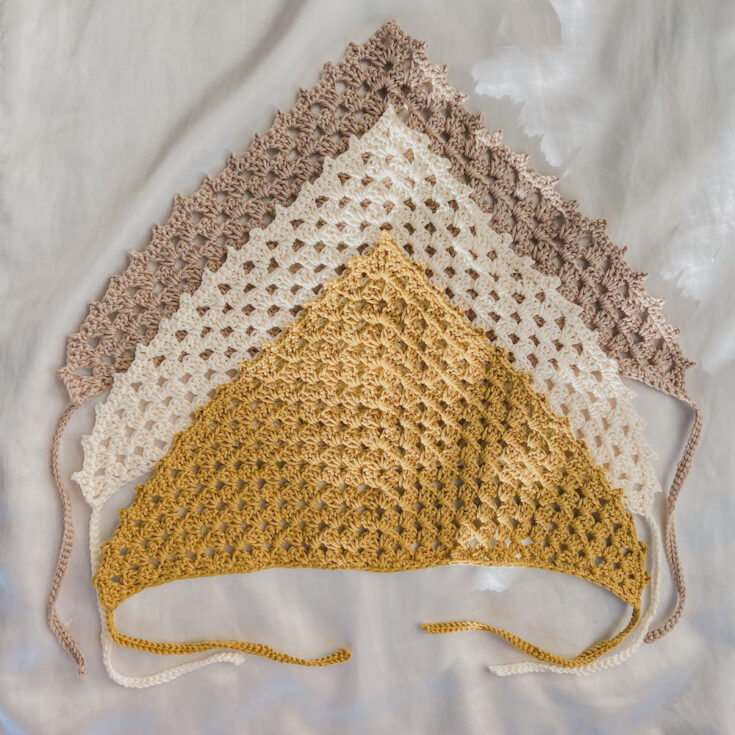
Beginner Crochet Granny Triangle Bandana by HayHay Crochet
Make a cute bandana with this free crochet pattern by Hay Hay Crochet.
A perfect pattern to make this summer.
Plus there is a video tutorial to help you along.

The Wonderland Wrap by SuperCuteDesign
Crochet a colorful wrap with this free pattern by Super Cute Design.
The pattern is made with light yarn and is perfect for intermediate makers.
You can download the free pattern on the Hobbii website.
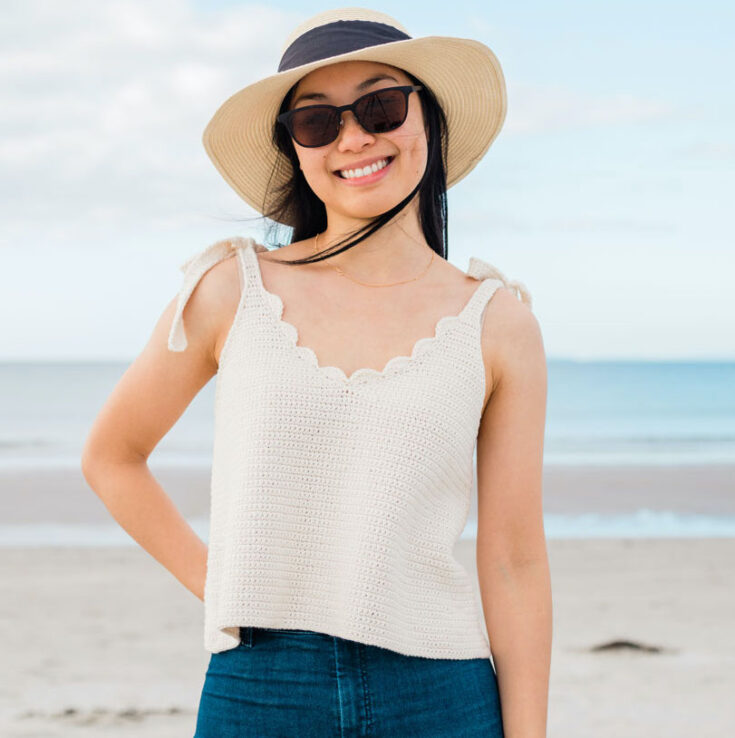
Scallop v-neck Tank Top by For The Frills
Crochet a summer top with this free pattern by For The Frills.
This lightweight top is ideal for the summer season.
Fine weight yarn gives you plenty of possibilities, from a small accessory to a lightweight cardigan.
Start with the yarn label, choose a suitable pattern, and take a little time to swatch before casting on or making your first chain.
Happy making!