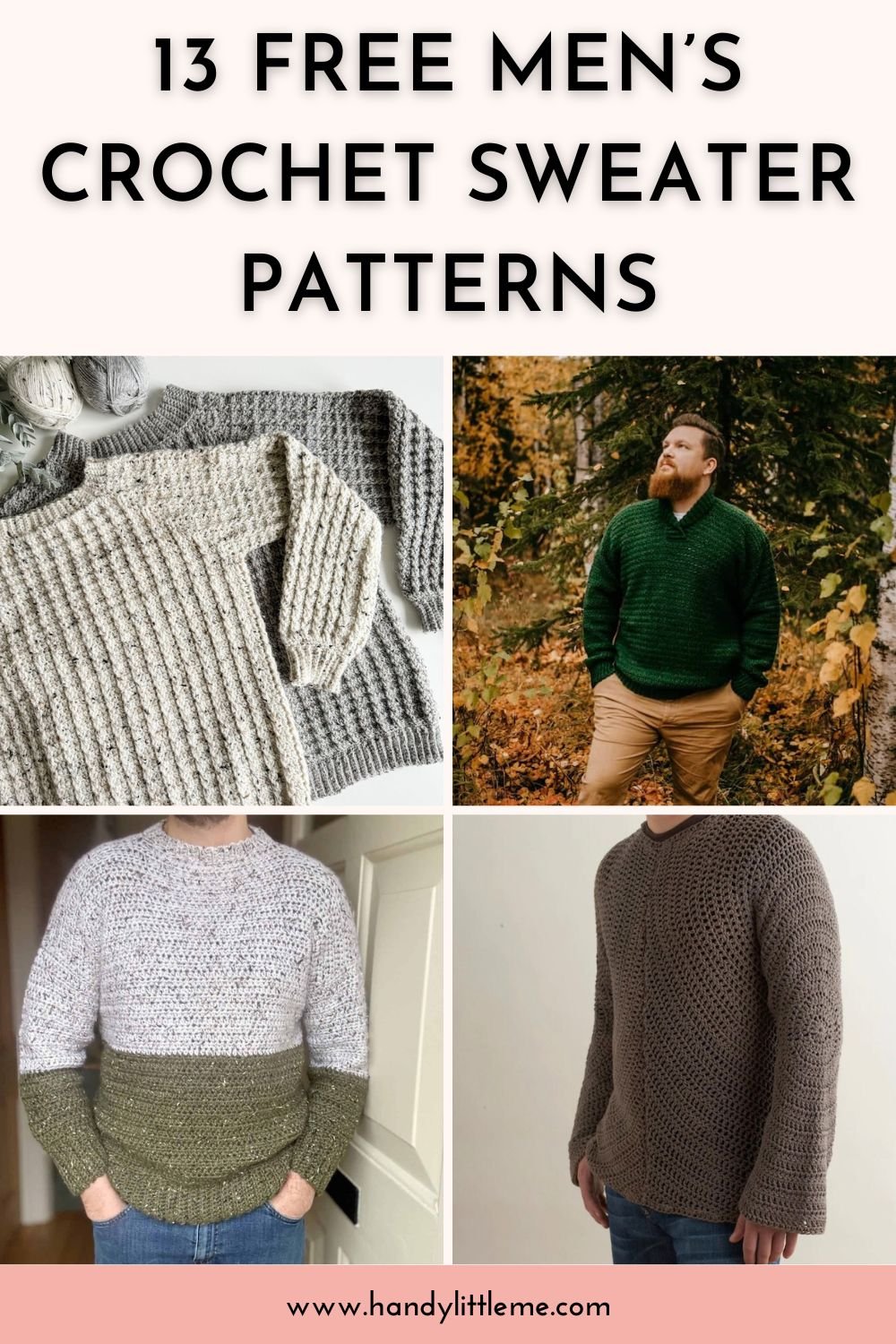
13 Free Men’s Crochet Sweater Patterns
THIS ARTICLE CONTAINS AFFILIATE LINKS THAT SUPPORT HANDY LITTLE ME CONTENT AND FREE PATTERNS.Looking to crochet a stylish and cozy sweater for the man in your life — or even for yourself?
Whether you’re a beginner or an experienced crocheter, this roundup of 13 free men’s crochet sweater patterns has something for everyone.
From simple striped designs to textured cable pullovers, you’ll find a variety of styles, yarn types, and skill levels to explore.
Plus, you’ll learn everything you need to know about sizing, stitches, yarn choices, and how long it takes to crochet a sweater.
Grab your hooks — it’s time to get stitching!
Save this article
Enter your email address and we'll send it to your inbox.
By entering your email, you agree to receive patterns, tutorials, and updates from Handy Little Me. Unsubscribe at any time.
Free Men’s Crochet Sweater Patterns
Discover 13 free men’s crochet sweater patterns—modern pullovers & cardigans for beginners to intermediate makers in DK–worsted yarn.
Happy Crocheting!
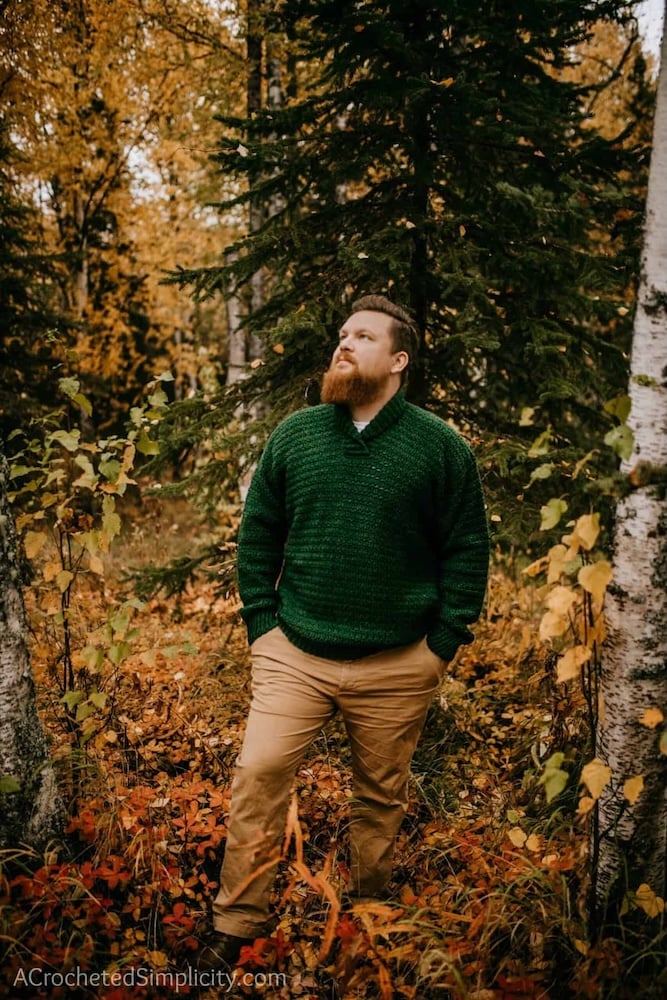
Brentwood Men’s Pullover – Free Crochet Sweater Pattern by A Crocheted Simplicity
In this blog post, you will see a crochet pullover for men.
You will need worsted weight yarn, a 6 mm and a 5 mm crochet hook.
The pattern is available in sizes XS to 3XL.
Oversized Sweater Crochet Pattern For Beginners by HanJan Crochet
Make an oversized unisex sweater with this free pattern.
The sweater is super easy to make with beginner makers in mind.
You can adjust the stitch count to fit your desired length.

Top-Down Seamless Crochet Sweater Unisex by Urbaki
This video tutorial will show you how to make crochet garments.
A great project for intermediate makers.
Crochet one for your loved ones.
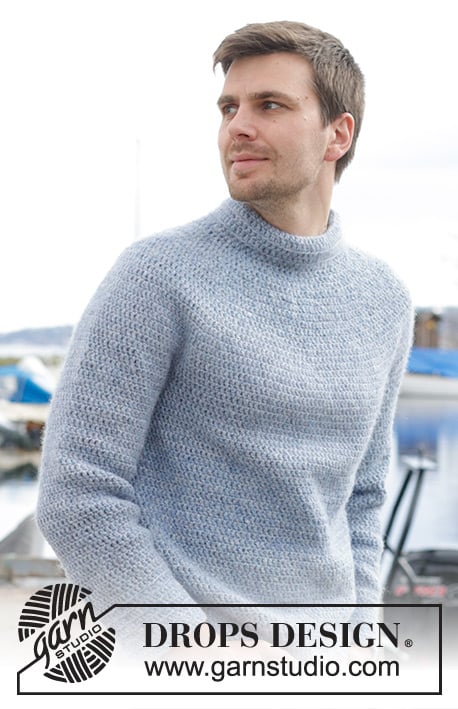
Keel Over by DROPS Design
Crochet a cozy sweater with this free pattern.
The pattern is worked from the top down with a round yoke and a double neck collar.
The website includes instructions in 12 different languages.

Free Red Heart Crochet Monster Face Sweater Pattern by Yarnspirations
This post features a men’s crochet sweater pattern.
This is an intermediate pattern including special stitches, increases, and decreases.
Grab the free PDF on Yarnspirations.
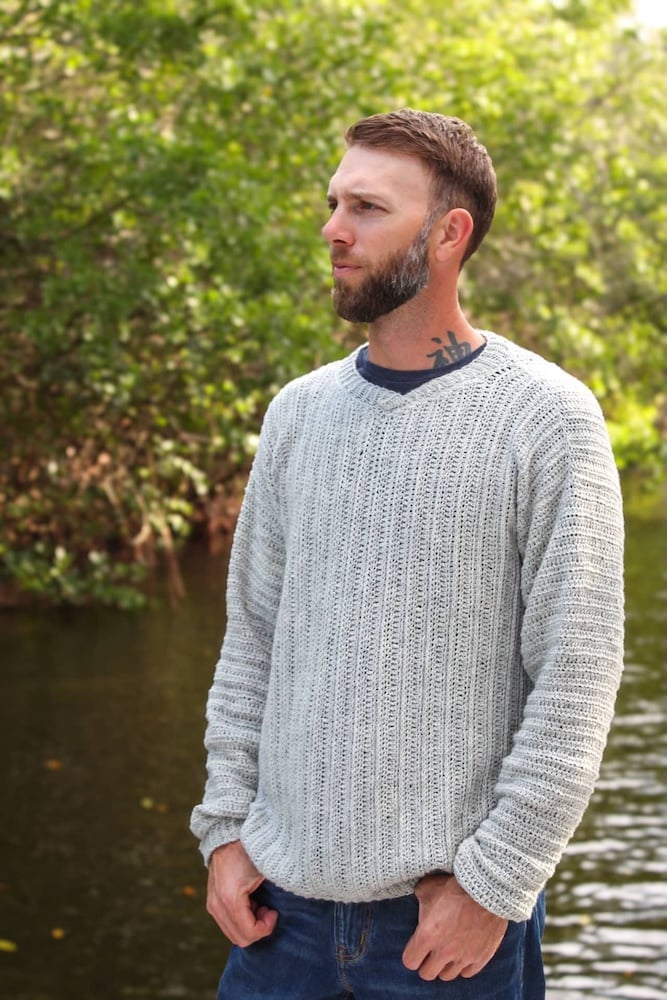
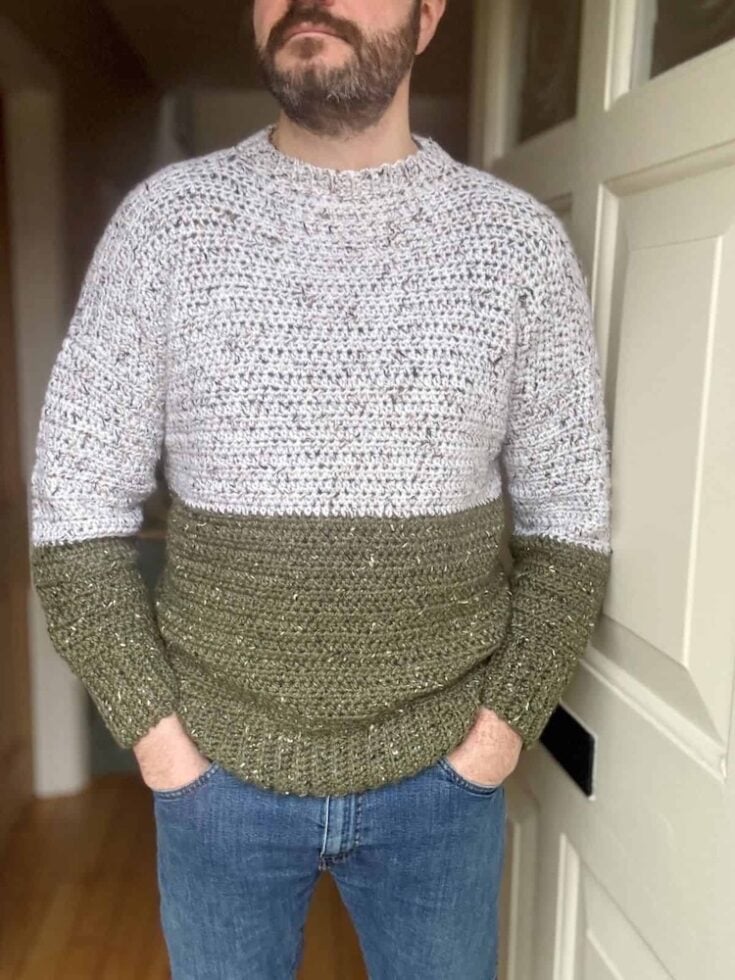
Men’s V-Neck Crochet Sweater Pattern – Maxwell Sweater by Two Brothers Blankets
In this detailed post, you will see how to make a crochet sweater for men.
The pattern includes techniques like crocheting through the front loop only, slip stitches (sl st), and long chain.
Plus, there is a video tutorial with tips and pattern notes to help you along.
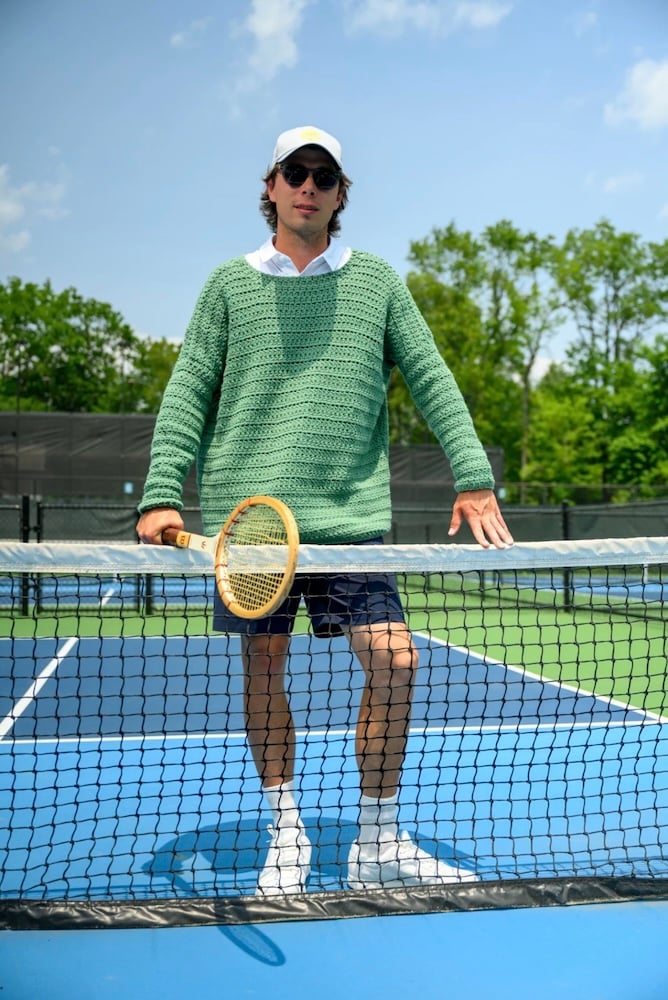
Pullover (Crochet) by Lion Brand Yarns
Make a beautiful sweater for men with this free pattern.
The finished length measures 26.5 inches, and the sleeve measures 16.5 inches.
Grab the ad-free PDF on Lion Brand Yarns.
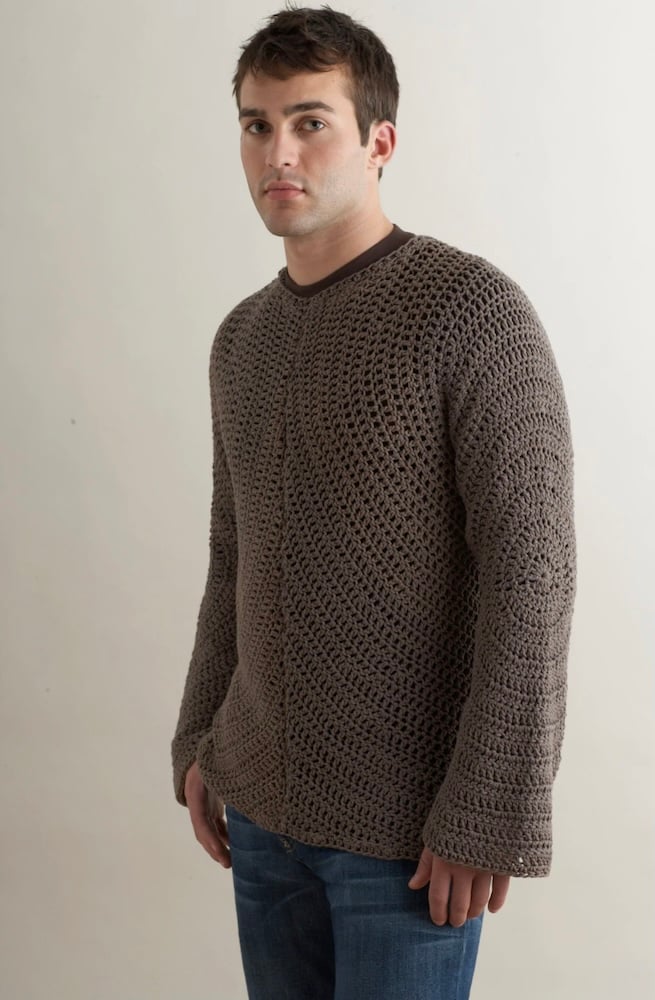
Circular Motion Sweater Pattern by Lion Brand Yarns
Crochet a unique sweater with this free pattern.
The circular design creates the illusion of motion.
Grab the free PDF on Lion Brand Yarns.

Rochester Pullover by TLYC Blog
This blog post will show you how to crochet a sweater.
This sweater is available in various sizes.
Crochet one for you and your partner.

Free Red Heart Crochet Skull Sweater Pattern by Yarnspirations
Crochet a fun sweater for men with this free pattern.
The project is made with a combination of stitches, including single crochet stitches, back post, and front post double crochet stitches.
Grab the free PDF on Yarnspirations and hook your next stitch.

Men’s Simple Striped by Christa Co Design
Make a simple crochet sweater with this free pattern.
An easy project for all makers.
Make one for your boyfriend just in time for fall.

Free Crochet Pattern Men’s Crewneck Pullover Sweater by Christa Co Design
Crochet a crewneck with this free pattern.
A fun project with easy row repeats that will teach you how to increase and how to decrease.
The pattern includes photos to help you along.

Winter Wonder Cable Pullover by MJ Off The Hook Crochet Designs
In this blog post, you will see how to make a crochet pullover sweater.
This is an easy two-stitch cable pattern, perfect for intermediate makers.
The pattern is available in various sizes, so you can make one for you and your partner.
Which Crochet Stitch Is Best For Sweaters?
The best crochet stitch for sweaters depends on the look, fit, and drape you’re going for — but generally, the most popular stitches offer a good balance of warmth, stretch, and fabric softness.
Below are the top crochet stitches for making sweaters and why they work well.
1. Half double crochet (hdc)
The half double crochet stitch is a go-to for sweaters.
It creates a medium-dense fabric that’s warm, soft, and still allows for a little stretch.
It works up faster than single crochet and is more flexible than double crochet.
How To Half Double Crochet Stitch For Beginners (hdc)
2. Extended single crochet (esc)
This variation of the single crochet gives your fabric extra drape and flexibility, making it ideal for sweaters that need to move with the body.
It creates a slightly looser, more breathable fabric than standard single crochet.
3. Linked double crochet (ldc)
Want the height of double crochet without all the gaps?
The linked double crochet gives you a neater, tighter fabric, which is great for men’s or tailored sweaters.
4. Single crochet (sc)
Single crochet creates a very tight and sturdy fabric — perfect for sweater cuffs, neckbands, and hems.
It’s not as drapey, so it’s usually combined with other stitches or used in structured designs.
5. Alternating stitches (e.g., sc + dc, moss stitch, granite stitch)
Combining stitches like single and double crochet creates subtle textures and patterns.
These are perfect for sweaters that need a bit more design interest without making the fabric too stiff or heavy.
6. Ribbing stitches (Back loop only – BLO)
Working in the back loop only (sc, hdc, or dc) creates a ribbed effect that mimics knitwear.
It’s stretchy and perfect for trim and fitted areas.
How To Make A Back Post Double Crochet Stitch (BPDC)
You can try to include other stitches in your design, like the chain space (ch-1 sp), or a more complex one like the herringbone half or the lemon peel stitch pattern.
If you’re unsure, consider creating a small gauge swatch before committing to a full project.
Related post: 50 Crochet Stitches For All Skill Levels (Free)
What Is the Best Yarn for Crochet Sweaters?
Choosing the right yarn for a crochet sweater is essential — it affects the garment’s comfort, drape, durability, and even how easy it is to care for.
The best yarn for a crochet sweater depends on the style of the sweater, season, and intended use, but here are the top options to consider:
1. Wool
Best for: Warm, winter-ready sweaters
Wool is a classic sweater yarn for a reason — it’s warm, breathable, and resilient. It holds its shape well and has great elasticity, which helps the sweater fit comfortably.
- Pros: Warm, bouncy, durable
- Cons: Can be itchy (depending on the type), not always machine washable
- Recommended types: Merino (softer), superwash wool (easier care), alpaca blends for luxury
2. Cotton
Best for: Lightweight and breathable sweaters (spring/summer)
Cotton yarn is cool and breathable, making it ideal for warmer weather. It creates a smooth, clean fabric but has less stretch, so it’s better for relaxed-fit garments.
- Pros: Soft, plant-based, good stitch definition
- Cons: Can stretch out or feel heavy in large garments
- Best for: Summer tops, airy cardigans, layering pieces
3. Acrylic
Best for: Budget-friendly, easy-care sweaters
Acrylic is a synthetic yarn that’s affordable, washable, and comes in a wide range of colors. It’s a popular choice for beginner sweaters or everyday wear.
- Pros: Inexpensive, machine washable, widely available
- Cons: Less breathable, can pill over time
- Tip: Choose premium acrylic for a softer feel
4. Blended Yarns
Best for: Balanced sweaters with the best of both worlds
Yarn blends like wool-acrylic, cotton-bamboo, or alpaca-silk give you the benefits of multiple fibers, like warmth, softness, durability, and drape.
- Examples:
- Wool + Acrylic = warm, machine washable
- Cotton + Bamboo = lightweight with great drape
- Alpaca + Silk = luxurious and soft with a slight halo
Yarn weight recommendations
- DK weight yarn – Fitted sweaters, summer cardigans.
- Worsted weight yarn – Standard pullovers and winter sweaters
- Bulky weight yarn – Cozy oversized sweaters, quick projects
Helpful Resources
What Is the Best Stitch To Sew Crochet Sweaters Together?
When it comes to sewing a crochet sweater together, the best stitch depends on the desired look, the type of seam, and the amount of stretch or structure required.
Below are the top finishing techniques used by crocheters for seaming sweaters cleanly and securely:
1. Mattress stitch (best overall – invisible join) – Perfect for joining panels or shaping shoulders on sweaters. Works great on half double crochet and double crochet fabric. – The Mattress Stitch – How To Seam Knitting
2. Whip stitch (quick and easy) – Great for areas like sleeves or the inside of a cardigan, especially when you’re not worried about showing seams.
3. Slip stitch join (with hook) Best when you want the join to be visible or decorative — or when working with bulky yarn.
4. Back stitch (strong and stretch-friendly)This sewing stitch mimics machine-sewn seams and offers a lot of strength. It’s perfect for seams that need to hold up to wear and movement.
What Supplies Do You Need For A Crochet Sweater?
Making a crochet sweater is a rewarding project, and having the right supplies will make it easier and more enjoyable.
Whether you’re a beginner or experienced crocheter, here’s a checklist of essential tools and materials you’ll need:
1. Yarn
Check the yardage requirements in your pattern — sweaters typically use 800–1600 yards, depending on size and style.
Make sure to get extra yarn from the same dye lot in case you run out mid-project.
2. Crochet hooks
You’ll usually need two different hook sizes:
- Larger hook: Used for the main body of the sweater.
- Smaller hook: Ideal for tighter sections like cuffs, necklines, and hems.
Example: If your sweater calls for a 5.0mm hook, the pattern might suggest a 4.5mm smaller hook for ribbing or a 5.5mm larger hook for looser areas.
3. Scissors
A sharp pair of scissors is essential for cutting yarn cleanly and trimming ends.
4. Stitch Markers
5. Tapestry needle (yarn needle)
6. Measuring tape
7. Blocking tools (optional but recommended)
For a professional finish, use:
- Blocking mats + pins to shape pieces
- Spray bottle or steam iron to relax the stitches
- Sweater forms or towels for gentle shaping
9. Optional (but helpful) extras:
- Row counter – to track rows or pattern repeats
- Notebook or digital tracker – for sizing notes
- Yarn bobbins – if working colorwork or stripes
Can You Tunisian Crochet A Sweater?
Yes, you can Tunisian crochet a sweater!
In fact, Tunisian crochet is an excellent choice for garments like sweaters, thanks to its knit-like texture, warmth, and structure.
Tunisian crochet (sometimes called Afghan crochet) uses a special long hook and combines elements of both knitting and crochet.
It produces a dense, textured fabric that’s ideal for cozy sweaters, especially if you’re looking for something that mimics a knitted look.
How Long Does It Take To Crochet A Men’s Sweater?
The time it takes to crochet a men’s sweater can vary significantly based on several factors, but on average, you can expect to spend 20 to 40 hours on a project.
Here’s a breakdown of what influences that timeframe:
1. Pattern complexity
- Beginner patterns (like simple single or double crochet pullovers) are quicker and may take 20–25 hours.
- Intermediate or advanced patterns (involving cables, colorwork, or textured stitches) may take 30–50+ hours.
2. Sweater size
Men’s sweaters generally require more yarn and time due to larger dimensions.
A size XL will naturally take longer than a size M, adding several extra hours to the total time.
3. Yarn weight and hook size
- Chunky yarn with large hooks means fewer stitches and faster progress — ideal for quicker makes.
- Finer yarn (like sport or DK) will slow things down due to tighter stitch counts and more rows.
- Chunky yarn = faster, fine yarn = slower
4. Your crochet speed
- A fast, experienced crocheter might complete a basic men’s sweater in under 20 hours.
- A beginner or more relaxed crocheter may take 40+ hours — and that’s totally okay!
- If you crochet 1–2 hours per evening, a sweater might take 2–4 weeks. For weekend-only projects, it could stretch over a couple of months.
Crochet Lessons
If you are new to the craft and need help with the crochet basics, check out more free how-to resources here: Crochet Lessons (With Video Tutorials).
This includes crochet abbreviations, UK and US terms, how to make a slip knot, foundation chains (ch), single crochet (sc), half double crochet (hdc), double crochet (dc), working through the back loop only, and more.
If you need more video tutorials, check out my YouTube channel here – Handy Little Me – YouTube.
For extra help and to connect with more makers from the crafting community, check out the Handylittleme Knitting and Crochet Community Facebook group.
You can also find us on social media: Ravelry, Pinterest, Instagram, Twitter, Etsy, and TikTok.