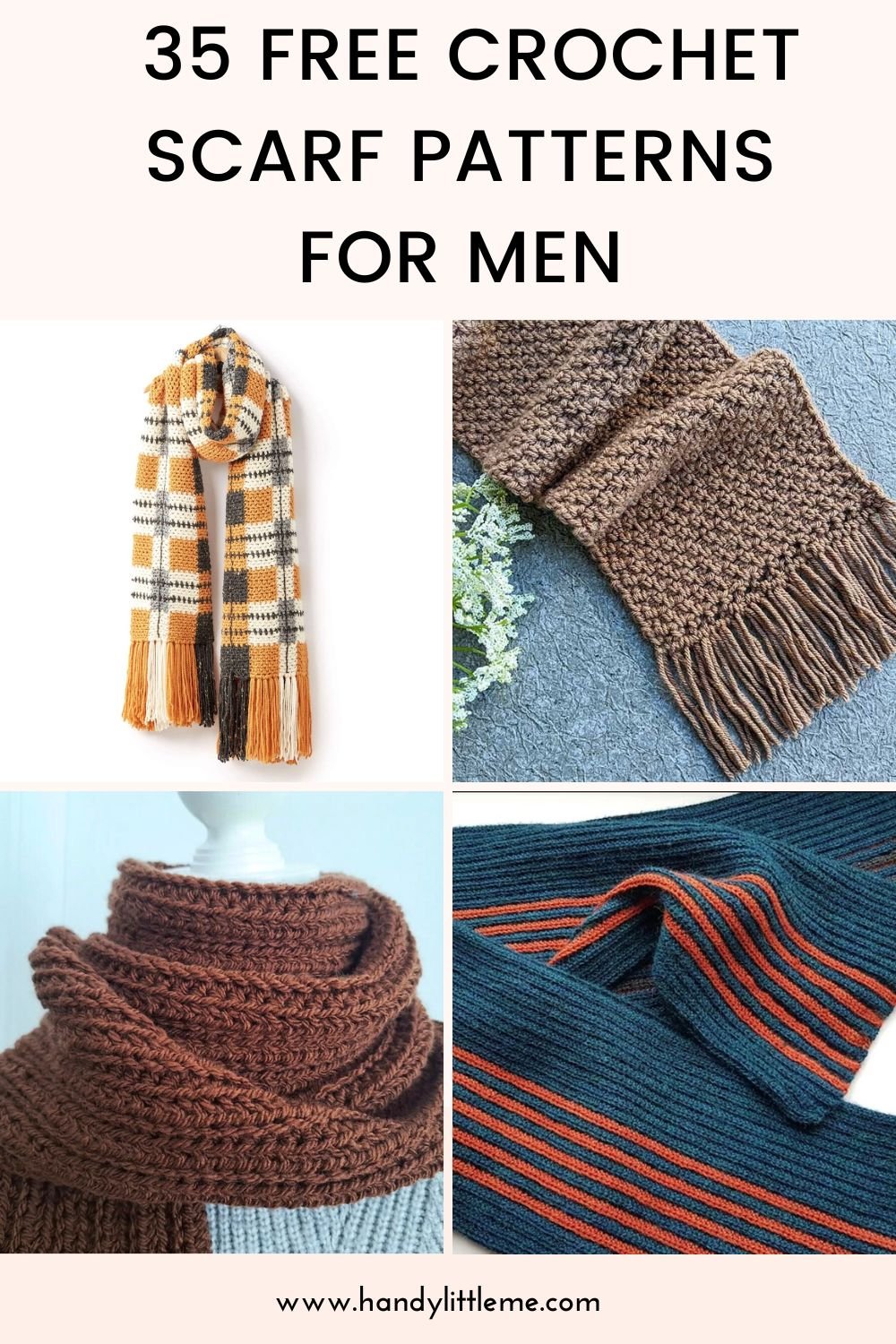
35 Free Crochet Scarf Patterns For Men (Easy & Quick)
THIS ARTICLE CONTAINS AFFILIATE LINKS THAT SUPPORT HANDY LITTLE ME CONTENT AND FREE PATTERNS.Looking for the perfect handmade gift or a cozy project for the season?
This roundup of 35 free crochet scarf patterns for men features easy and quick designs that are stylish, practical, and beginner-friendly.
From chunky ribbed textures to sleek modern styles, each pattern is designed with men in mind, whether you’re making something warm for winter or a go-to everyday accessory.
These fast-working scarf projects are ideal for gifting, market prep, or last-minute makes.
Save this article
Enter your email address and we'll send it to your inbox.
By entering your email, you agree to receive patterns, tutorials, and updates from Handy Little Me. Unsubscribe at any time.
35 Free Crochet Scarf Patterns For Men
Begin your scarf-making journey with the free patterns below.
Happy Crocheting!
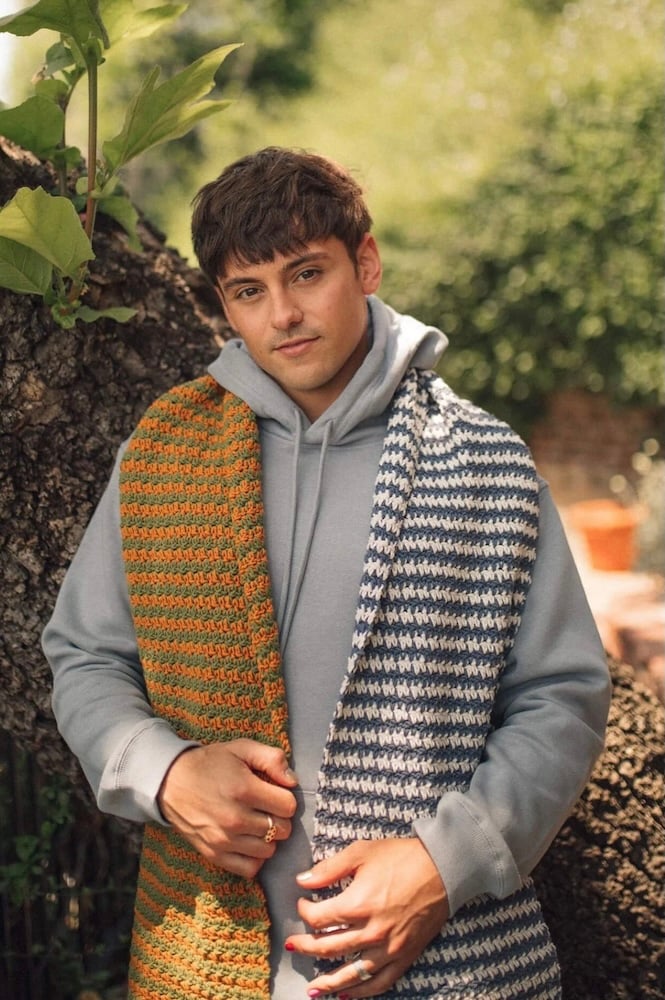
Houndstooth Scarf by Lion Brand Yarns
Crochet a bold and classic houndstooth pattern in contrasting colors.
This eye-catching scarf is a great gift for fashion-forward men.
Free PDF pattern available.

Highland Men’s Scarf by Sunflower Cottage Crochet
Make a rugged, cozy scarf perfect for chilly days.
This free pattern features simple stitches and a timeless look.
An excellent gift for a friend or a loved one.

Men’s Knit-Look Scarf by A Crocheted Simplicity
In this blog post, you will see a men’s crochet scarf pattern.
The stitch pattern creates great texture and drape.
This men's crochet scarf pattern is the ideal project if you love the knit look.
Free pattern includes detailed photo instructions.

Chunky Ribbed Men’s Scarf by Jewels And Jones
Crochet a classic men’s crochet scarf with this free pattern.
It is great for beginners and works up quickly.
The perfect addition to your winter wardrobe.

Quick & Easy Men’s Scarf by Crochet Bits
Make a simple, clean-cut scarf with this beginner-friendly design.
The pattern uses basic crochet stitches and minimal shaping.
A great stash-busting project!

Men’s Classic Crochet Scarf by Rich Textures Crochet
This free pattern offers a sleek, knit-like texture.
The scarf has a modern feel and pairs well with neutral or solid colors.
Includes a step-by-step video tutorial.
The perfect gift for a special guy in your life.

Men’s Scarf Crochet Pattern by Lovable Loops
Crochet a soft and simple men’s scarf with this free pattern.
It’s beginner-friendly and works well in solid or variegated yarns.
A great option for everyday wear.

Easy Men’s Scarf by Crochet Happy Plushie
This straightforward scarf is perfect for beginners.
The pattern is warm, stylish, and great for cold weather.
Includes step-by-step photos and tips.

Brunswick Man’s Scarf by Selina Veronique
This free scarf pattern is classic, stylish, and easy to make.
Perfect for using up yarn in your stash or creating a thoughtful gift.
Written instructions are clear and beginner-friendly.

Alpine Stitch Scarf by Desert Blossom Crafts
Create a bold, textured scarf using the eye-catching alpine stitch.
This pattern is perfect for adventurous beginners and intermediate crocheters.
Free pattern includes helpful tutorial links.

Cool Ombre Men’s Scarf by My Crochet Space
This sleek scarf uses a gradient yarn to create a smooth ombre effect.
It’s simple to crochet and makes a stylish gift for men.
Free pattern with step-by-step instructions.

Classic Man Scarf by Selina Veronique
This elegant, ribbed scarf pattern is great for everyday wear.
It’s worked with basic stitches and a clean, modern finish.
Perfect for men who prefer simple, classic style.
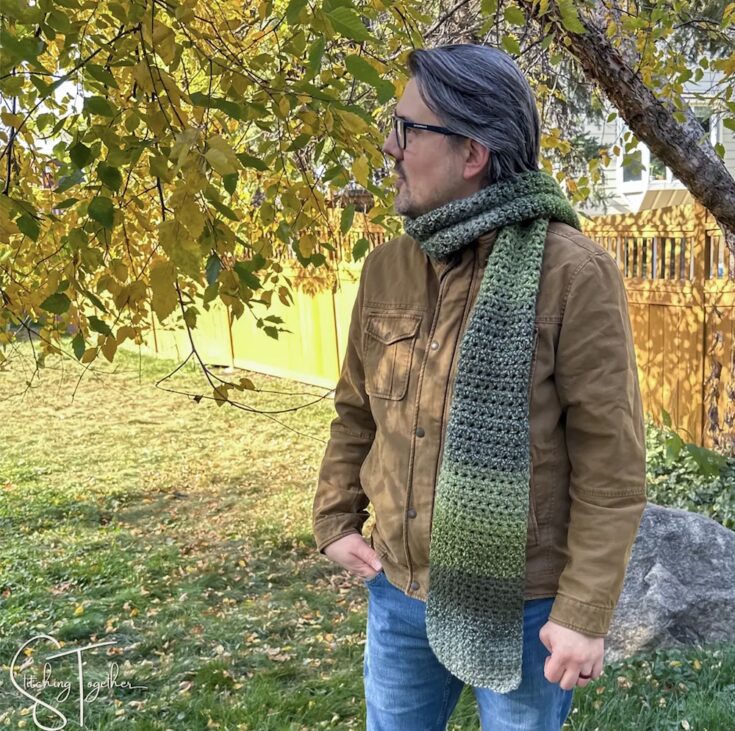
Mossy Men’s Scarf by Stitching Together
Crochet this warm and rustic scarf using the moss stitch.
It’s a great unisex design with beautiful texture.
Perfect for practicing your crochet skills.

Friday Freebie Scarf by Little Red Knits
This classic scarf is designed with men in mind.
It's the perfect project for new or advanced crocheters.
A cozy accessory for fall and winter.

Matteo Scarf Pattern by Christa Co Design
This lightweight scarf uses a simple two-row repeat.
The result is a textured, wearable design that’s easy to memorize.
Great for gifting or charity makes.

Seed Stitch Scarf by Kirsten Holloway Designs
This free scarf pattern uses the classic seed stitch for a timeless texture.
Perfect for a newbie or a seasoned crocheter.
Includes a full tutorial with photos.

Chunky Scarf Crochet Pattern by Ned & Mimi
Make a quick and cozy scarf using bulky yarn and simple stitches.
The perfect pattern for beginners or last-minute gift making.
A relaxing project for all makers.
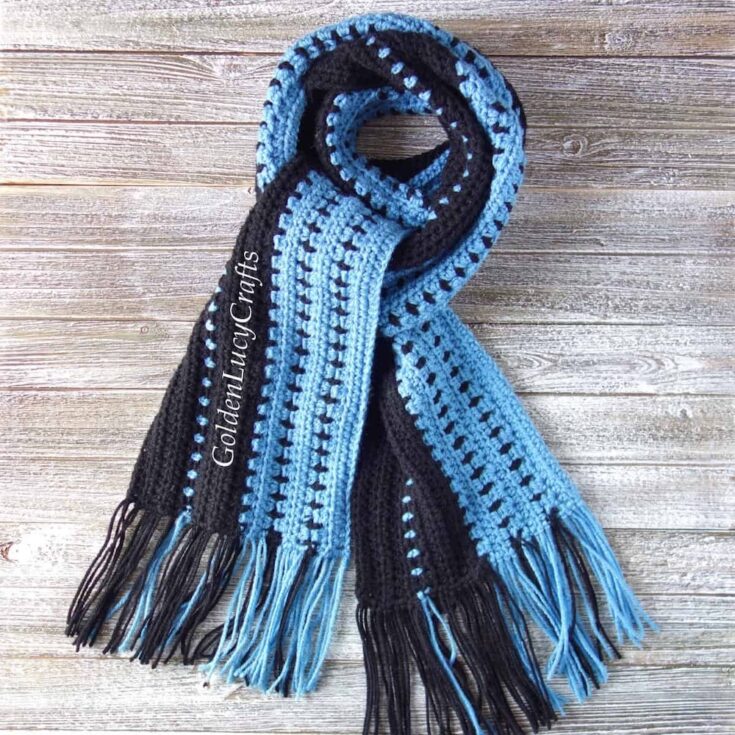
Scarf For Men by Golden Lucy Crafts
This free pattern creates a stylish, modern scarf using simple stitches.
The texture looks great in solid or heathered yarns.
Perfect for daily wear or thoughtful handmade gifts.

The Gentleman’s Scarf by Yarnutopia
Crochet a refined, warm scarf with this free pattern.
The design features great texture and timeless appeal.
Includes a photo tutorial for visual learners.

Simple Serene Scarfie by Lion Brand Yarns
Make the perfect staple accessory using just one ball of Scarfie yarn.
This simple pattern is great for beginners.
Free PDF pattern on Lion Brand.

Scarf Pattern by DROPS Design
This pattern creates a clean, ribbed look with a classic design.
Available in multiple languages and easy to follow.
A great everyday scarf option.

Men’s Color Block Scarf by Eye Love Knots
Make a stylish accessory with this free crochet scarf pattern.
It’s a great project for using up worsted weight yarn.
Free pattern includes measurements and yarn suggestions.
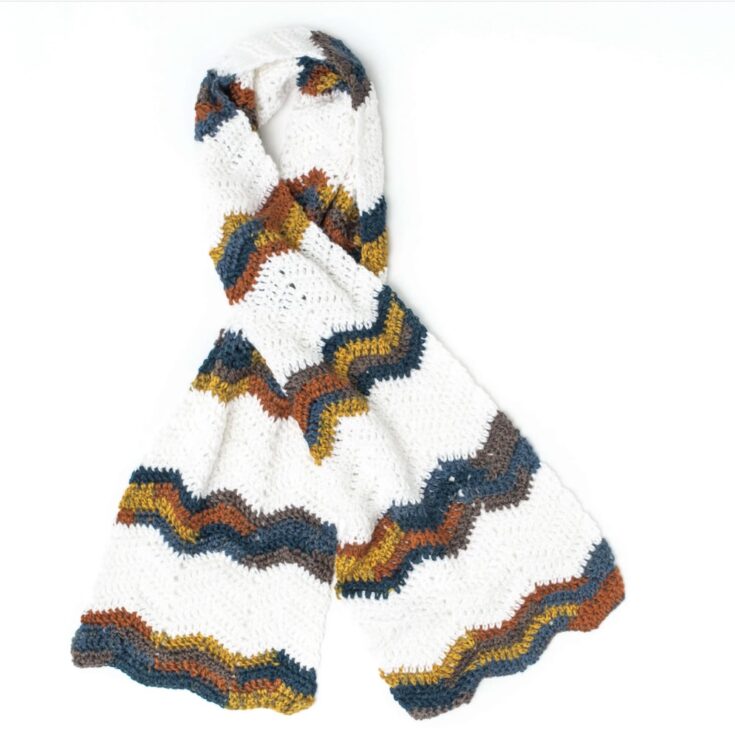
Caron Chevron Stripes Scarf by Yarnspirations
Make a bold statement with this easy crochet scarf pattern.
This pattern is great for experimenting with color combos.
Free PDF pattern available.
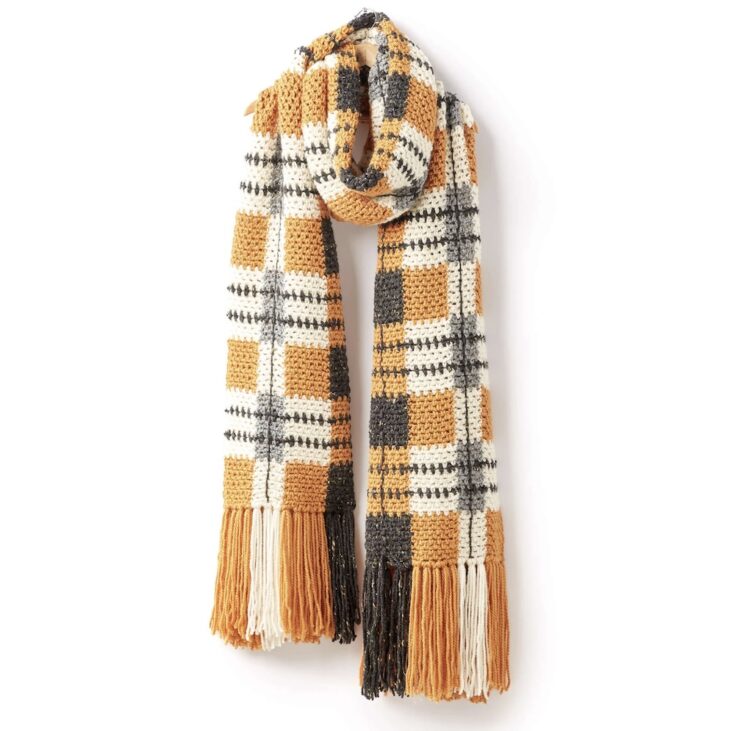
Big Tartan Super Scarf by Yarnspirations
This oversized unisex scarf features bold tartan-inspired colorwork.
Perfect for men who love a statement piece that’s still cozy and practical.
Free pattern available.

Special Olympics Striped Scarf by Yarnspirations
Crochet a striped scarf with a meaningful cause in mind.
Simple stitchwork and bold colors make this a standout design.
Free printable PDF pattern available.

Granny Squares Stripes Scarf by Yarnspirations
Add a vintage twist to a classic scarf using bold granny squares.
A great pattern for using up colorful yarn scraps.
Free pattern available.

Cross Stitch Scarf by Yarnspirations
This textured scarf uses cross stitches to create a subtle but striking pattern.
It’s lightweight and modern—great for everyday wear.
Free pattern included.

Guys’ Game Day Scarf by Yarnspirations
Make a classic winter scarf with this free pattern.
It’s bold, masculine, and great for customizing team colors.
A great project to practice color changes in crochet.
Grab the free pattern and get started fast.

All-American Scarf by Yarnspirations
Show your patriotic side with this red, white, and blue striped scarf.
A simple but bold project perfect for holidays and gifts.
Free PDF pattern available.

Flashy Striped Scarf by Yarnspirations
This easy men’s crochet scarf features high-contrast stripes for a bold look.
It’s a great way to use up bright yarn in your stash.
Free pattern included.

Diamonds In The Rough by Michael Snow
This scarf features a diamond texture pattern that stands out.
It’s a more advanced project that creates an elegant finish.
This pattern will guide you in creating a great staple accessory.
Grab the free PDF on Ravelry.

Ribbed Scarf & Brimmed Hat Set by Lion Brand Yarns
Make a ribbed crochet men's scarf with this free pattern.
Plus, there is a matching beanie pattern included.
This set is great for winter!
Free PDF available.

Ridged Scarf & Stocking Hat by Lion Brand Yarns
This set includes both a textured scarf and a matching hat.
The ridged design adds warmth and visual interest.
A wonderful gift to make.
Grab the free crochet pattern at Lion Brand.

One Ball Crocheted Scarfie by Lion Brand Yarn
Make a cozy scarf using just one skein of Scarfie yarn.
This easy project is ideal for beginners or quick gifts.
Pattern works well with gradient or self-striping yarns.

One Ball Scarfie #14 by Lion Brand Yarns
This variation of the one-ball scarf uses simple stitches for a smooth finish.
Great for men who prefer minimal, clean-lined designs.
Works up quickly and uses just one skein.
What Size Is A Crochet Scarf For A Man?
When making a crochet scarf for a man, the size can vary based on style, stitch, and personal preference, but there are common standard dimensions to guide you.
Standard men’s scarf dimensions
- Length – 60 to 70 inches (152–178 cm)
- Width – 6 to 8 inches (15–20 cm)
60 inches is good for a simple wrap-around style.
70+ inches allows for multiple wraps or a more dramatic drape.
6–8 inches wide is ideal for warmth without being bulky.
Tips for adjusting the size
Taller men or larger frames may prefer longer scarves (up to 80 inches).
For lighter yarns or decorative stitches, keep the width closer to 6 inches.
For chunky or textured yarns, 7–8 inches gives a better balance.
Scarf style + sizing suggestions
- Classic Ribbed Scarf – 65″ x 7″, great with simple outfits
- Chunky Winter Scarf – 70″ x 8″, ideal for warmth and layering
- Slim Textured Scarf – 60″ x 6″, perfect for indoor wear or a polished look
Match the length to the recipient’s height: a good rule of thumb is to make the scarf as long as the person is tall.
Should You Block the Scarf?
Yes — blocking your finished scarf (especially if it uses textured or lacy stitches) will help:
- Even out the edges.
- Show off the stitch definition.
- Adjust the final dimensions.
How Many Crochet Chains for a Man’s Scarf?
The number of starting chains for a man’s scarf depends on two things:
- The desired width of the scarf
- The yarn weight and hook size you’re using
- Instead of one fixed number, you calculate the starting chain based on your gauge — how many stitches fit into an inch.
Step-by-step guide to calculate your starting chain
1. Decide on the Width
Most men’s scarves are 6 to 8 inches wide.
2. Make a Gauge Swatch
Crochet a small square using your yarn and chosen stitch. Measure how many stitches per inch you’re getting.
3. Multiply Stitches Per Inch × Width
For example:
If your gauge is 4 stitches per inch
And you want your scarf to be 7 inches wide
Then: 4 × 7 = 28 chains
Start with 28 chains (plus any extra chains needed for turning, depending on the stitch).
Quick reference estimates
- DK (#3) – 4.5 mm – 32–40 chains
- Worsted (#4) – 5.0 mm – 28–36 chains
- Bulky (#5) – 6.5 mm – 20–28 chains
Always check your pattern if you’re following one — it may include exact chain counts.
What Is The Best Crochet Stitch For Making A Scarf?
The best crochet stitch for making a scarf depends on the look, feel, and skill level you’re going for—but here are 7 excellent crochet stitches commonly used for scarves, each offering a different texture and style:
1. Half double crochet (hdc)
Best for: Beginners, quick and stretchy scarves
It creates a dense yet flexible fabric with a slight texture.
Faster than single crochet, more solid than double crochet.
Why it’s great: Ideal for warm scarves and super easy to learn.
Check it out here – How To Half Double Crochet Stitch For Beginners (hdc)
2. Double crochet (dc)
Best for: Light, airy scarves or layering
Taller stitch = fewer rows needed.
Adds drape and works up quickly.
Why it’s great: Perfect if you want a loose, flowing scarf or want to add fringe easily.
Learn how to double crochet here – How To Double Crochet (dc) For Beginners
3. Moss stitch (a.k.a. linen or granite stitch)
Best for: Textured, woven-looking scarves
Alternates single crochets and chain spaces.
Lies flat and looks the same on both sides.
Why it’s great: Elegant texture and ideal for variegated yarns.
Check it out here – How To Crochet: Linen Stitch (Free Printable)
4. Shell stitch
Best for: Feminine, decorative scarves
Uses groups of double crochets to form scallop shapes.
Very eye-catching and decorative.
Why it’s great: Great for lace-style scarves and can be easily dressed up.
5. Front/back post double crochet (ribbed stitch)
Best for: Chunky ribbed scarves with texture
Creates raised ridges and excellent stretch.
Feels thick and plush.
Why it’s great: Gives a knit-like appearance—perfect for winter scarves.
Learn how to front post double crochet here – How To Crochet A Front Post Double Crochet Stitch
Learn how to back post double crochet here – How To Make A Back Post Double Crochet Stitch (BPDC)
6. V-stitch
Best for: Light but warm scarves with visual interest
Made using (dc, ch 1, dc) in the same stitch.
Airy but still substantial.
Why it’s great: Versatile and looks lovely in solid or gradient yarns.
7. Griddle stitch (alternating sc and dc)
Best for: A tightly textured, sophisticated scarf
Dense, even texture with a classy finish.
Great with solid or tonal yarns.
Why it’s great: Lies flat, reversible, and adds subtle detail.
What Supplies Do You Need to Crochet a Scarf?
Crocheting a scarf is one of the most beginner-friendly and rewarding projects you can make.
Whether you’re creating a cozy winter wrap, a lightweight spring accessory, or a stylish men’s scarf, you’ll need just a few basic supplies to get started.
1. Yarn
Your yarn choice will affect the look, feel, and drape of your finished scarf.
Popular yarn types for scarves:
Worsted weight yarn (Medium #4): Great all-purpose choice for warmth and versatility.
Bulky weight yarn (Chunky #5): Ideal for cozy, thick scarves that work up fast.
Cotton yarn: Ideal for creating breathable scarves, especially in warmer weather.
Tip: Use soft, skin-friendly yarns since scarves are worn close to the neck.
Helpful resources
- Yarn Weight Guide {+Conversion Chart}
- Yarn Types Explained: A Guide To Different Fibers
- How To Read A Yarn Label (Step By Step)
2. Crochet hook
The hook size depends on the yarn you’re using and the stitch pattern.
Common hook sizes for scarves:
- 5.0 mm (H-8): For worsted weight yarn
- 6.0 mm (J-10) or larger: For bulky or chunky yarn
Always check the yarn label or pattern for the recommended hook size.
Check this out: Crochet Hook Sizes Chart (Free Conversion Guide)
3. Tapestry needle (yarn needle)
A tapestry needle is used to:
- Weave in yarn ends
- Seam panels (if needed)
- Add fringe or embellishments
4. Scissors
A sharp pair of scissors is essential for cutting yarn cleanly and neatly.
5. Measuring tape or ruler
Helpful for:
- Checking the length and width of your scarf
- Measuring gauge (especially if following a pattern)
6. Stitch markers (optional)
These are great for:
Marking the beginning or end of rows
Keeping track of stitch counts
Identifying where to place increases or pattern changes
Helpful read: What Are Stitch Markers? (Must Have Knitting Tools)
7. Fringe comb or pom-pom maker (optional)
If you want to dress up your scarf with fringe, tassels, or pom-poms, these tools can help you do it neatly and quickly.
Crochet Lessons
If you are new to the craft and need help with the crochet basics, check out more free how-to resources here: Crochet Lessons (With Video Tutorials).
This includes crochet abbreviations, UK and US terms, how to make a slip knot, foundation chains (ch), crocheting through the front loop, and more.
If you need more video tutorials, check out my YouTube channel here – Handy Little Me – YouTube.
For extra help and to connect with more makers from the crafting community, check out the Handylittleme Knitting and Crochet Community Facebook group.
You can also find us on social media: Ravelry, Pinterest, Instagram, Twitter, Etsy, and TikTok.
Free Crochet Patterns
- Free Crochet Easter Eggs Pattern
- 50 Best Crochet Stitches For Blankets And Afghans
- Crochet Round Rug Pattern
- 35 Free Easter Crochet Patterns
- 35 Free Cotton Yarn Crochet Patterns
- Crochet Dishcloth Pattern Set
- Crochet Washcloth Pattern
- How To Crochet A Blanket
- 50 Stash Busting Crochet Patterns
- 40 Free Granny Square Crochet Patterns
- Crochet Blanket Sizes And How Much Yarn
- Outlander Shawl Crochet Pattern
- Crochet Beach Cover-Up Pattern
- 43 Free Crochet Hat Patterns For Men
- 13 Free Men’s Crochet Sweater Patterns
- 20 Free Crochet Scarf Patterns To Make In 2025
- 35 Free Crochet Cowl Patterns (Quick, Easy & Cozy)