The Best Yarn For Blankets (Knitting + Crochet)
THIS ARTICLE CONTAINS AFFILIATE LINKS THAT SUPPORT HANDY LITTLE ME CONTENT AND FREE PATTERNS.In this post, you will see the best yarn for blankets.
If you enjoy knitting or crocheting, you probably have a deep love affair with yarn.
Yarn is essential to both crafts, as you can’t knit or crochet without it.
When it comes to choosing the best yarn for blankets, the “best” really depends on what you want your finished blanket to feel and behave like.
Do you want a warm blanket that’s heavy and cozy for the sofa, a breathable option for summer, something durable for day-to-day use, or a yarn that’s easy to care for in the washer and dryer?
Your answers will guide you to the right yarn weight and fiber content for your next project.

Save this article
Enter your email address and we'll send it to your inbox.
By entering your email, you agree to receive patterns, tutorials, and updates from Handy Little Me. Unsubscribe at any time.
How Do I Choose My Yarn?
There are a variety of yarn types in the market, and when choosing one to create with, there are some factors you need to consider.
Before you buy yarn (especially if you’re ordering online), it helps to ask yourself a few quick questions.
The right yarn becomes much easier to spot once you know your “blanket goals.”
Who is this blanket for?
A blanket for babies usually needs to be soft, non-scratchy, and preferably machine washable.
A throw for the living room can be chunkier, heavier, and more textured.
If it’s a gift, choose a yarn that’s easy-care so the recipient won’t worry about washing it.
How will it be used? (Everyday use vs. decorative)
If it’s going to get a lot of use (kids, pets, daily sofa blanket), go for a durable yarn like acrylic yarn or an acrylic blend.
If it’s more of a statement piece, you can choose luxury fibers that may cost extra.
What climate is it for?
For colder climates, wool yarn and wool blends make a warmer blanket.
For warmer climates, cotton yarn or cotton blends are often a great choice because they’re breathable.
Do I want drape or structure?
Drapey blankets often come from medium yarns like worsted weight yarn or DK with smooth fibers.
Chunky blankets can look amazing, but very thick yarns can feel heavier and create a stiffer fabric depending on the stitch pattern.
What does the yarn label say?
Check the yarn label for yarn weight, fiber content, recommended needle/hook size, yardage, and washing instructions.
If you’re buying multiple skeins, try to match the dye lot so your blanket color stays consistent.
Learn how to read a yarn label here. – How To Read A Yarn Label (Step By Step)

Yarn Weight
When we talk about yarn weight, it has nothing to do with the yarn’s actual weight but everything to do with how thick the yarn is.
There are eight yarn categories (0-7), and depending on where you live, they have different names.
In the US, they are lace, fingerling, sock, sport, DK (double knitting), worsted, bulky, and super bulky.
In the UK, they are 1-ply, 2-ply, 3-ply, 4-ply, DK, Aran, chunky, and super chunky.
In AUS, they are 2-ply, 3-ply, 4-ply, 5-ply, 8-ply, 10-ply, 12-ply, and 14-ply.
The weight of the yarn determines what you can make with it and which needles or crochet hooks you will use.
The thicker the yarn, the bigger the knitting needles or the hook you will need.
Learn everything about yarn weights here. – Yarn Weight Guide (+ Yarn Conversion Chart)
And if you are making a winter sweater, it’s better to use thicker yarns like DK weight, worsted weight, and chunky weight yarns.
What is the best yarn weight for blankets?
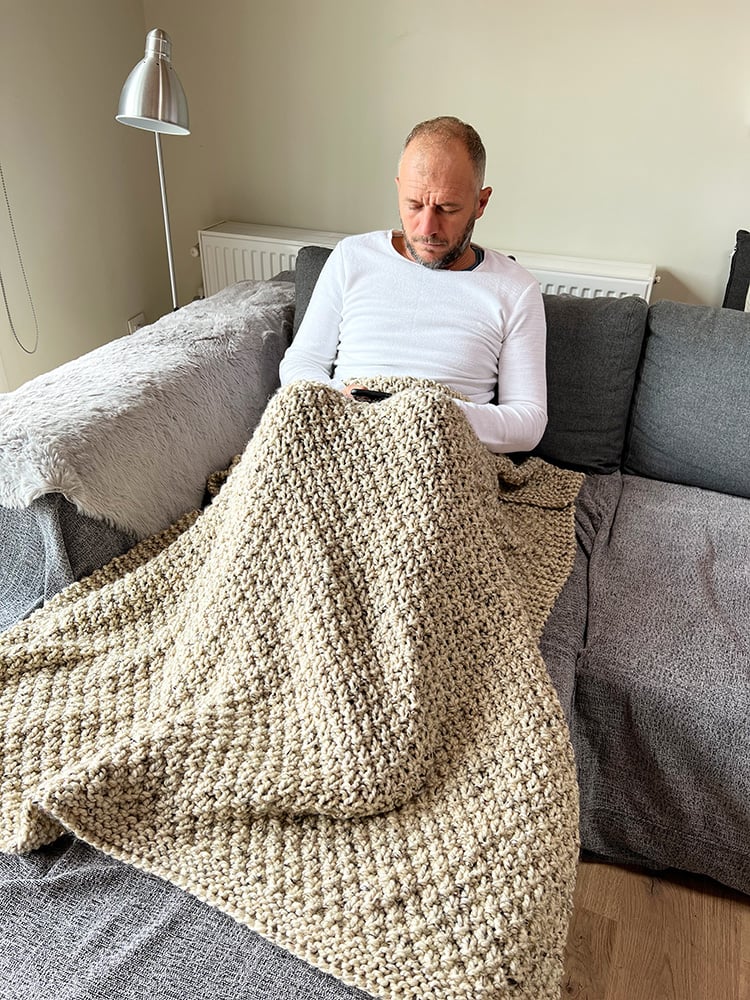
The best yarn weight for blankets depends on the look, feel, and how long you want the project to take.
A thin yarn creates a lighter blanket with lovely drape, but it takes much more time.
A thicker yarn is faster and makes a chunkier, cozier fabric, but it can be heavier and use more yarn in bulk.
Here’s what each common yarn weight tends to create when used for blankets:
Lace
1-ply (very thin yarn): creates an airy, delicate blanket with lots of drape—beautiful, but slow to make and best for lightweight shawl-like throws.
Learn more about lace weight yarn here. – What Is Lace Weight Yarn?
Fingering
2–3 ply: makes a soft, lightweight blanket with fine stitch detail. Great for heirloom baby blankets, but it’s a long-term project.
Learn about fingering weight yarn here. – What Is Fingering Yarn? Your Ultimate Guide
Sport
4–5 ply: produces a lighter blanket that still feels cozy. Good for baby blankets and small throws with good stitch definition.
Learn more about sport weight yarn here. – What Is Fine Weight Yarn? (Sport Weights Guide)
DK
8 ply: a popular middle ground for blankets that are warm without being too heavy. Great for textured stitches and colorwork.
Learn more about DK weight yarn here. – What Is DK Weight Yarn? (Your Guide To Double Knitting Yarn)

Worsted / Aran / 10 ply (worsted weight yarn)
One of the most popular choices and often considered the best yarn for blankets because it’s not too thin or too bulky.
It works well for both knitting and crochet blankets, has great stitch definition, and builds up at a satisfying pace.
Learn more about worsted weight yarn here. – What Is Worsted Weight Yarn?
Bulky / Chunky / 12 ply
Makes a cozy blanket quickly with a thicker fabric and bold texture. Great for quick throws and chunky stitches.
Learn more about bulky weight yarn here. – What Is Bulky Weight Yarn?
Super bulky / Super chunky / 14 ply
Ideal for a fast “weekend blanket” look.
The result is a very cozy, thick blanket, but it can be heavy and may have less drape.
Learn more bout super bulky yarn here. – What Is Super Bulky Weight Yarn?
Related Post: How To Knit A Blanket (Free + Easy For Beginners)
Jumbo yarn
creates oversized stitches and a statement chunky blanket.
It’s very quick, but because of the thickness, it can be extremely heavy and may pill more over time depending on fiber.
Learn more about jumbo weight yarn here. – What Is Jumbo Yarn? (A Guide + 10 Free Patterns)

Tips for new knitters
If you’re not sure where to start, worsted weight yarn is usually a safe, beginner-friendly option for blankets, especially for stitch patterns that rely on texture.
Tip: Blanket size + yarn weight affects cost and time.
A thinner yarn usually means more yardage and more time, while bulkier yarns knit up fast but can use more yarn and feel heavier.

Yarn Fibers
The other variety would be the fiber of the yarn.
There are many different fibers, including animal fibers like wool, alpaca wool, Peruvian wool, and mohair, plus natural fibers like silk and cotton, and synthetic fibers like acrylic and nylon.
The fiber content is very important when you are choosing the yarn you are going to work with.
For example, if you are making a sweater wool-acrylic blends are the best yarn choice as the wool provides warmth and acrylic flexibility and durability.
What are the best fibers for blankets?
The best fiber for blankets depends on softness, warmth, drape, and how easy it is to wash.
Some fibers are warm and breathable, some are budget-friendly and durable, and some feel luxurious but require more careful handling.
Here’s how different yarn fibers affect the finished blanket:
- Wool yarn (including merino wool): makes a warm blanket with natural bounce and elasticity. Wool is breathable and cozy, but some people find it itchy, and care instructions vary (some are machine washable, others are hand wash only).
- Wool blends (wool + acrylic blends): a great choice for blankets because you often get warmth plus easier care and improved durability. Many blends handle day-to-day use well.
- Cotton yarn: one of the best yarns for blankets in warmer climates because it’s breathable and cool against the skin. Cotton blankets often have a beautiful drape, but cotton can feel heavier and has less stretch, which can make big blankets feel weighty.
- Cotton blends (cotton + acrylic or cotton + bamboo): often the best of both worlds—softness, better drape, and easier care than pure cotton in some cases.
- Acrylic yarn: a popular option for blankets because it’s usually affordable, widely available, and often machine washable. Acrylic can be very durable for everyday throws and kids’ blankets, and it’s a great choice if you want lots of color options.
- Acrylic + nylon blends: can add strength and help blankets stand up to frequent washing, especially for family blankets that get used constantly.
- Alpaca wool: warm and soft, but it can create a heavier fabric and may not be ideal for high-wear blankets, depending on the blend.
- Silk blends: add shine and drape, making a beautiful luxury blanket, but these yarns usually cost extra and may need gentle washing.
- Mohair blends: create a fluffy halo and a cloud-like blanket look, but the fuzz can hide stitch definition and may not suit everyone for texture.
If you want an easy-care blanket that works for most people, acrylic yarns and acrylic blends are often a practical, great choice.
If you want something breathable, especially for summer throws, cotton yarn is a strong contender.
Learn more about yarn fibers here. – Types Of Yarn Explained: A Guide To Different Fibers
Quick Guide: Best Yarn For Blankets (At A Glance)
- Best for beginners: worsted-weight yarn in acrylic or an acrylic blend
- Best for fast blankets: bulky/super bulky yarn (chunky blanket look)
- Best for warm blankets: wool yarn or wool blends
- Best for summer blankets: cotton yarn or cotton blends
- Best for baby blankets: soft, washable yarns (often acrylic blends or gentle cotton blends)

Shop My Favorite Blanket Yarns
Yarn shopping is an amazing experience, especially if you can visit your local craft store and you can see the yarn up close.
Doing your yarn shopping online can also be great, as there is a wide variety of yarns you can choose from, looking at fiber to weight, to colors.
If you don’t know where to start, take a look at this list of my favorite yarns.
Shop My Favorite Blanket Yarns
Yarn shopping is an amazing experience, especially if you can visit your local craft store and you can see the yarn up close.
Doing your yarn shopping online can also be great, as there is a wide variety of yarns you can choose from, looking at fiber to weight, to colors.
If you don’t know where to start, take a look at this list of my favorite yarns.
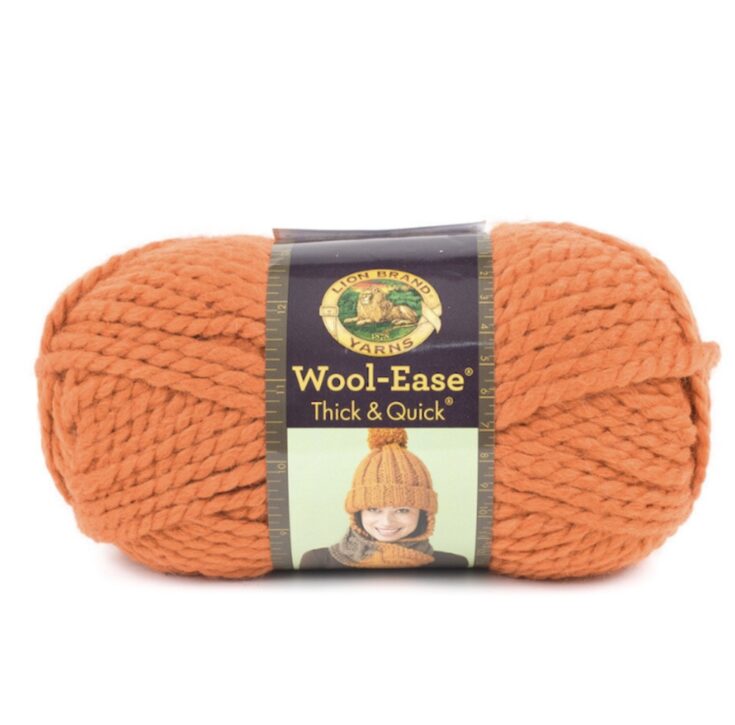
Lion Brand Wool Ease Thick & Quick
This super bulky weight yarn is one of my absolute favorites, as it knits up quickly and the blend of the fibers is perfect for hats and garments.
It provides a lot of yardage; all you need is a skein of yarn to make yourself a pair of mittens, plus it is machine washable.
It works amazingly for cozy blankets, and there is a large selection of colors to choose from
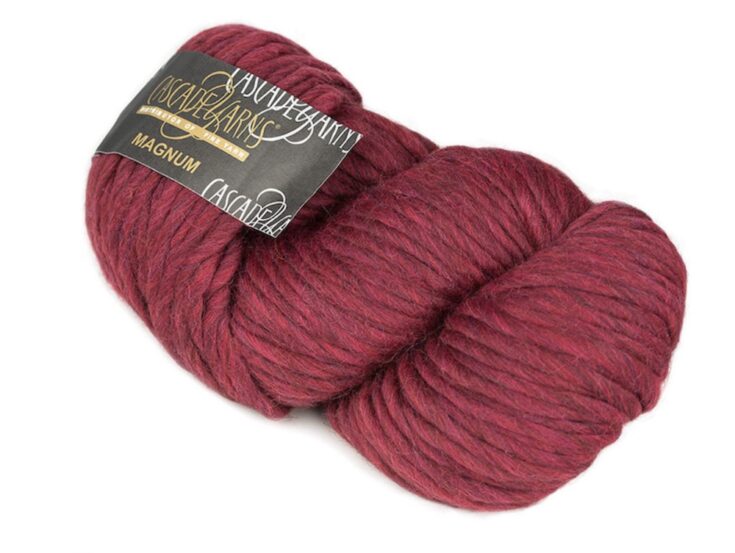
Cascade Magnum by Cascade Yarns
A super soft, super chunky yarn that knits up fast, and it’s perfect for projects like coats and blankets.
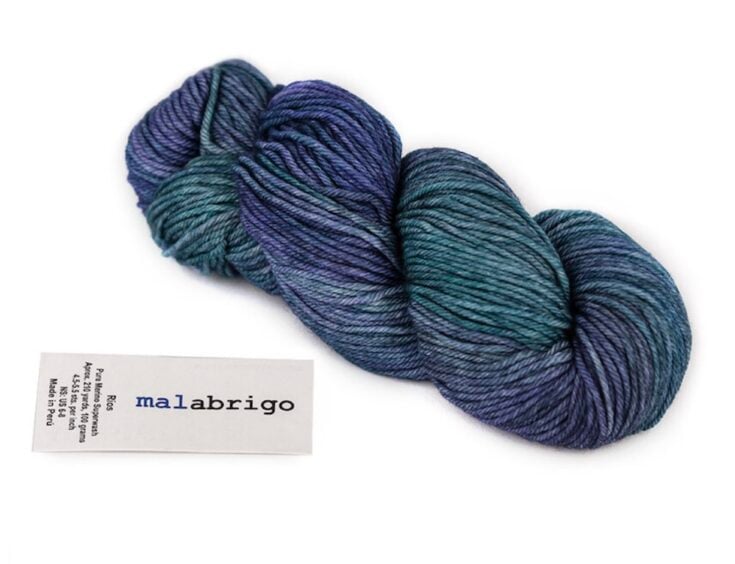
Malabrigo Rios by Malabrigo
A beautiful hand-dyed yarn that comes in unique shades.
Plus, you can throw it in the washing machine!
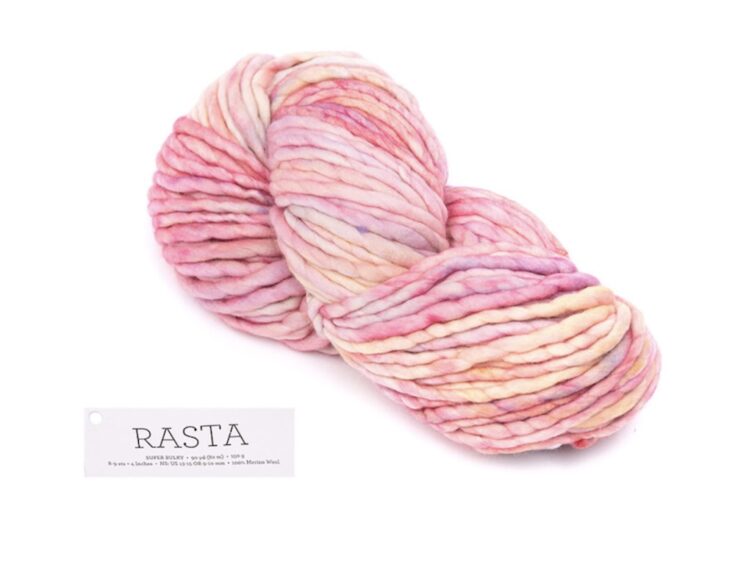
Malabrigo Rasta by Malabrigo
A unique hand-dyed super chunky yarn that you can make cowls, scarves, and chunky socks with.
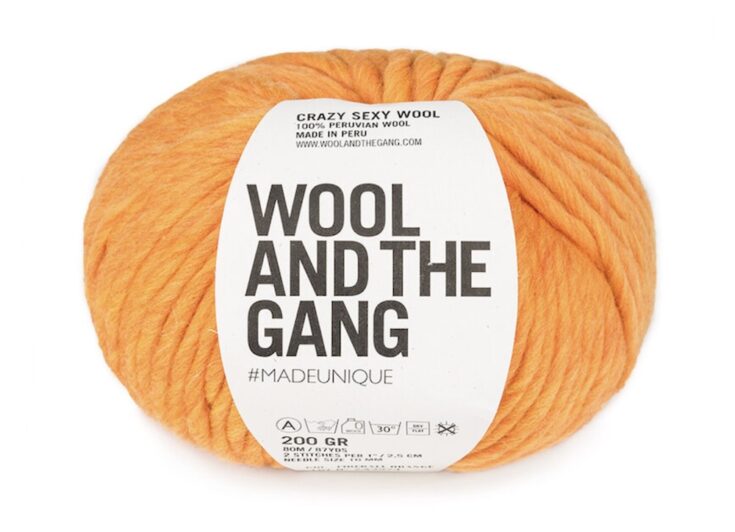
Wool and the Gang Crazy Sexy Wool
A super-bulky yarn (almost a jumbo yarn) that’s perfect for winter projects like sweaters and blankets.
This is a 100% Peruvian wool yarn.
There are various colors to choose from.
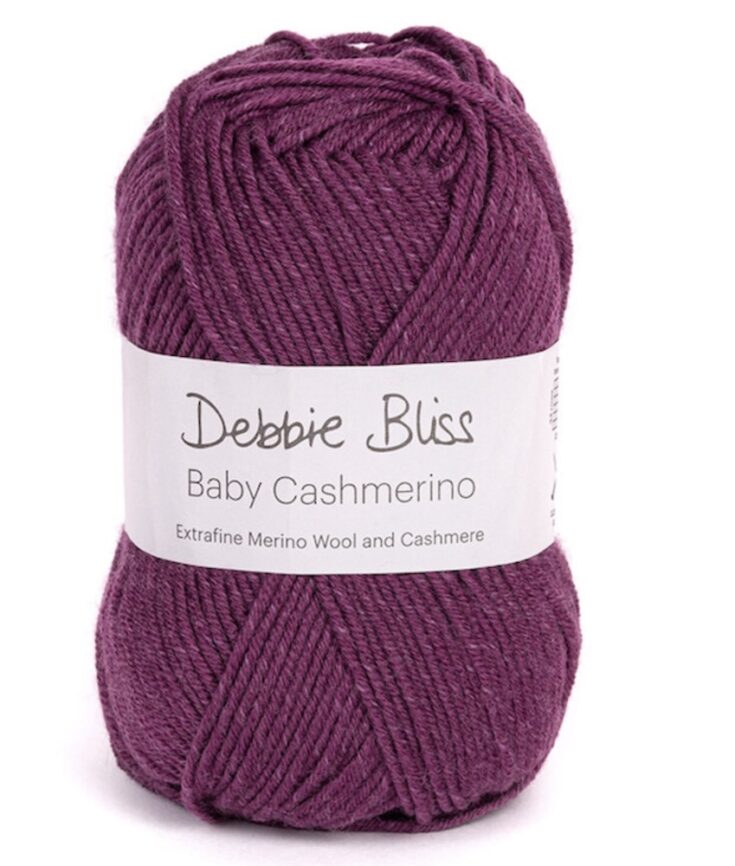
Baby Cashmerino by Debbie Bliss
A wool, cashmere, and acrylic blend yarn that’s perfect for baby knits.
A super soft and cozy yarn that feels gentle against the skin.
An excellent choice for baby blankets.
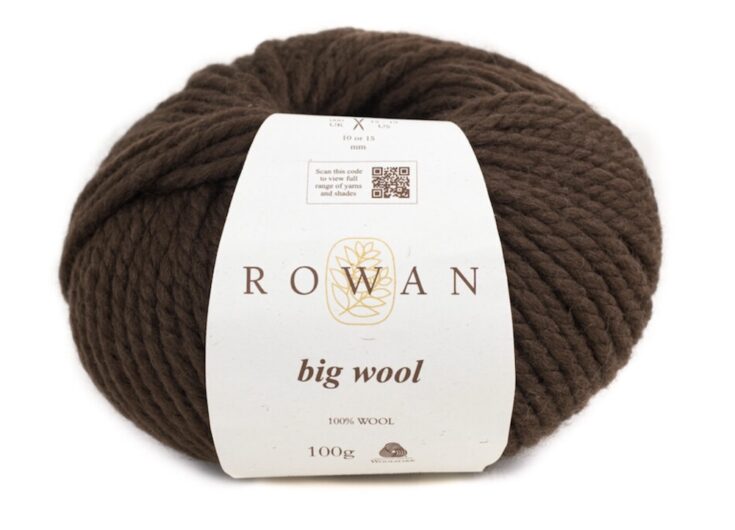
Big Wool by Rowan
A warm and thick yarn that’s ideal for winter projects and knits up fast.
It's great for a winter blanket, and it won't take you much time to knit it.
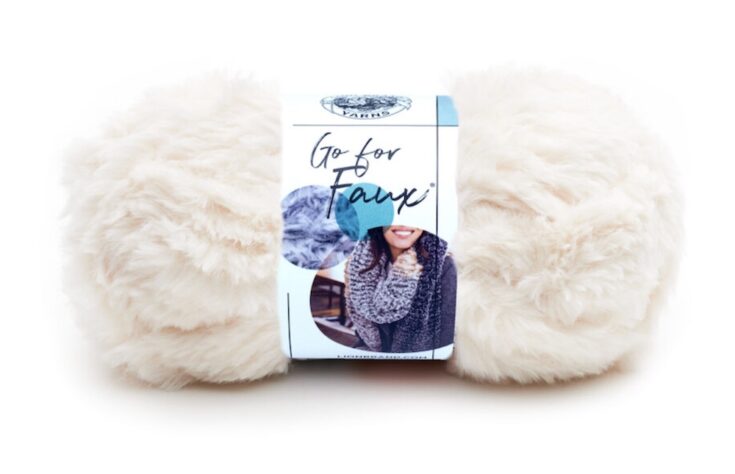
Go For Faux by Lion Brand Yarns
A faux fur yarn perfect for soft and fluffy blankets, toys, and garments.
A synthetic yarn that creates a beautiful texture.
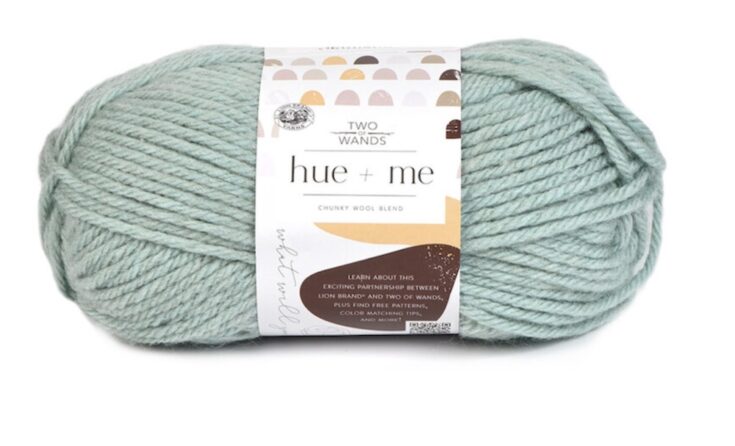
Hue & Me by Lion Brand Yarns
Lion Brand, in collaboration with Two of Wands, created a beautiful collection of wool blend yarns ideal for garments and accessories.
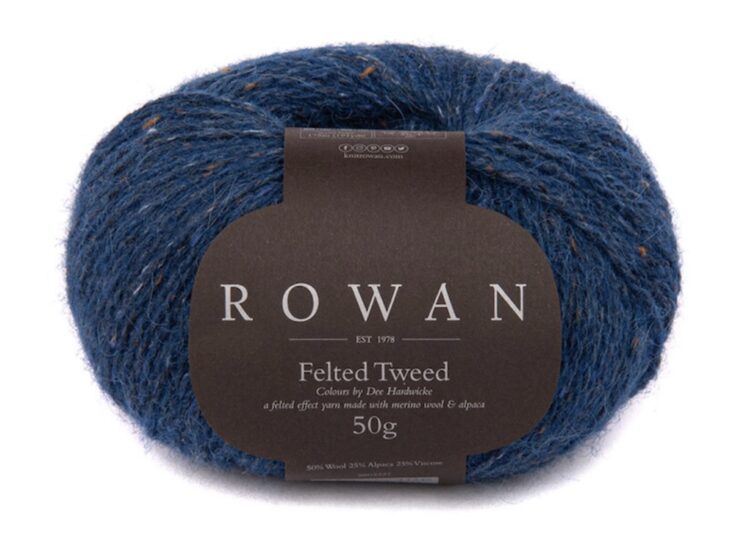
Felted Tweed DK by Rowan
Felted Tweed is a vintage unique yarn that creates a felted look when it’s knitted up.
It creates a fantastic stitch definition on colorwork patterns.
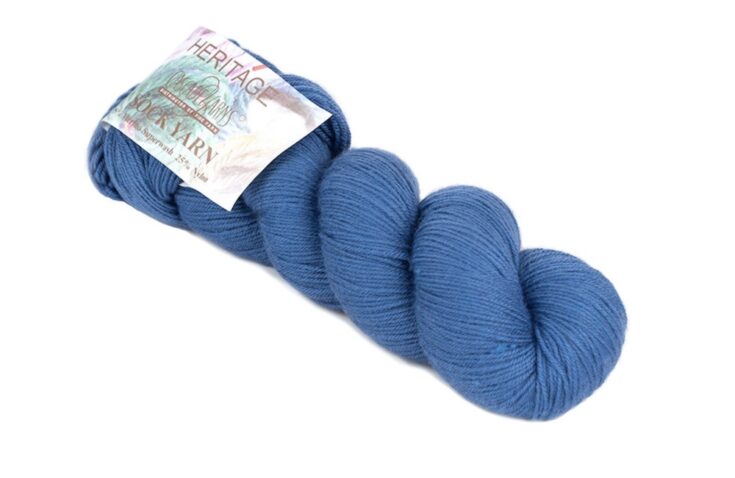
Heritage Solids by Cascade Yarns
An excellent yarn choice if you want to make long-lasting socks in fun colors.
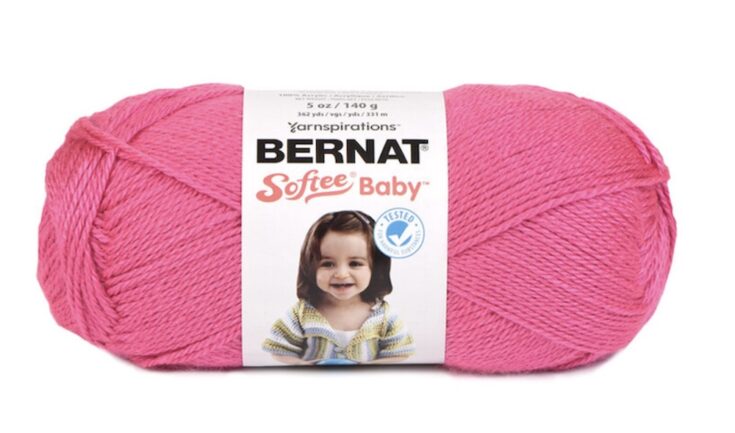
Softee Baby Solids by Bernat
A soft Bernat blanket yarn that’s perfect for projects like baby booties, baby blankets, and jackets.
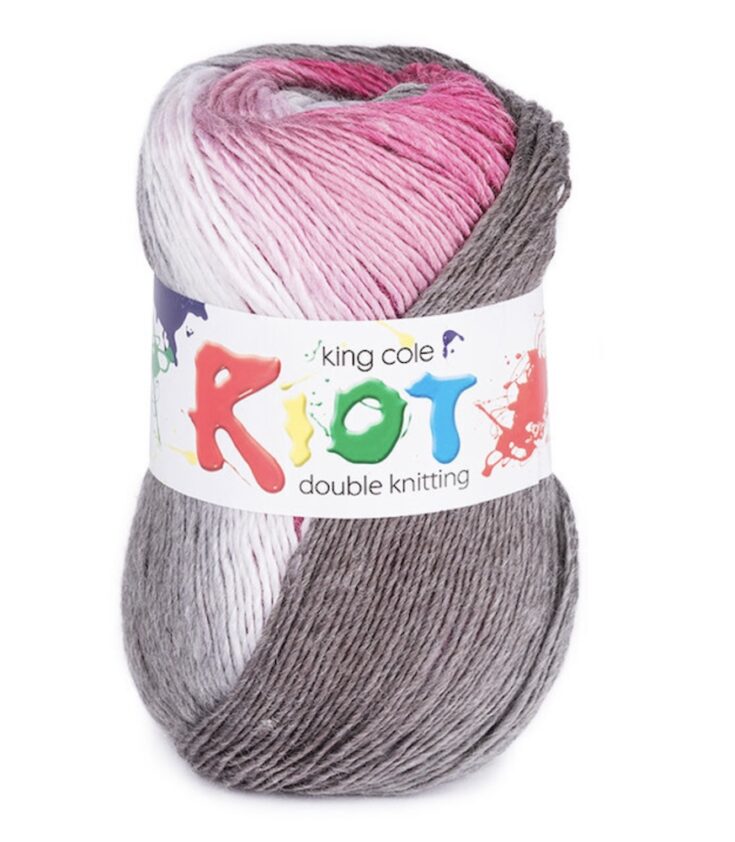
Riot DK by King Cole
A colorful yarn that creates a pattern that’s perfect for making shawls and accessories.
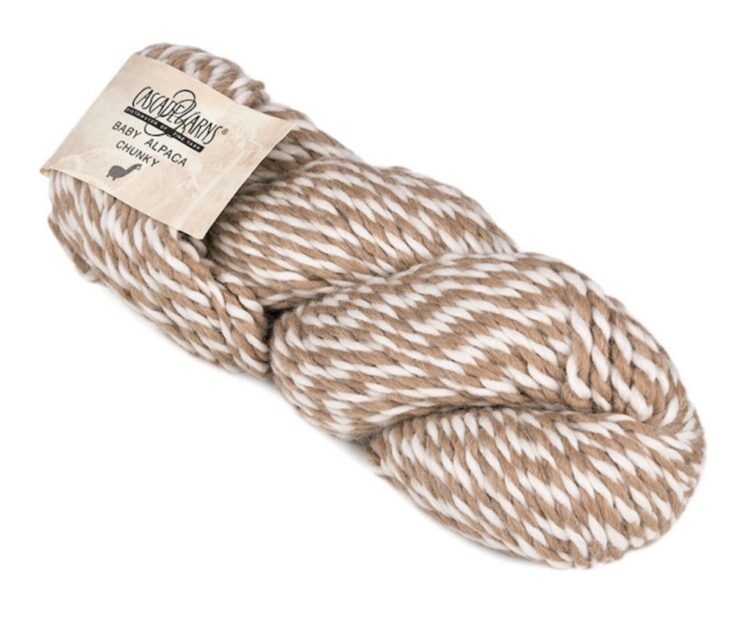
Baby Alpaca by Cascade Yarns
A cozy yarn that creates chunky blankets, sweaters, scarves, and cowls.
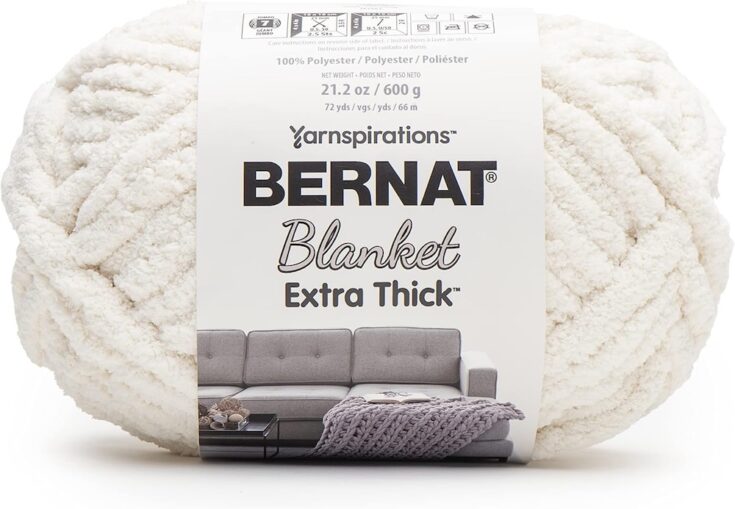
Blanket Extra Thick by Bernat
An extra-thick jumbo yarn that’s perfect for knitting or crocheting fast blankets.
It’s also amazing for arm knitting.
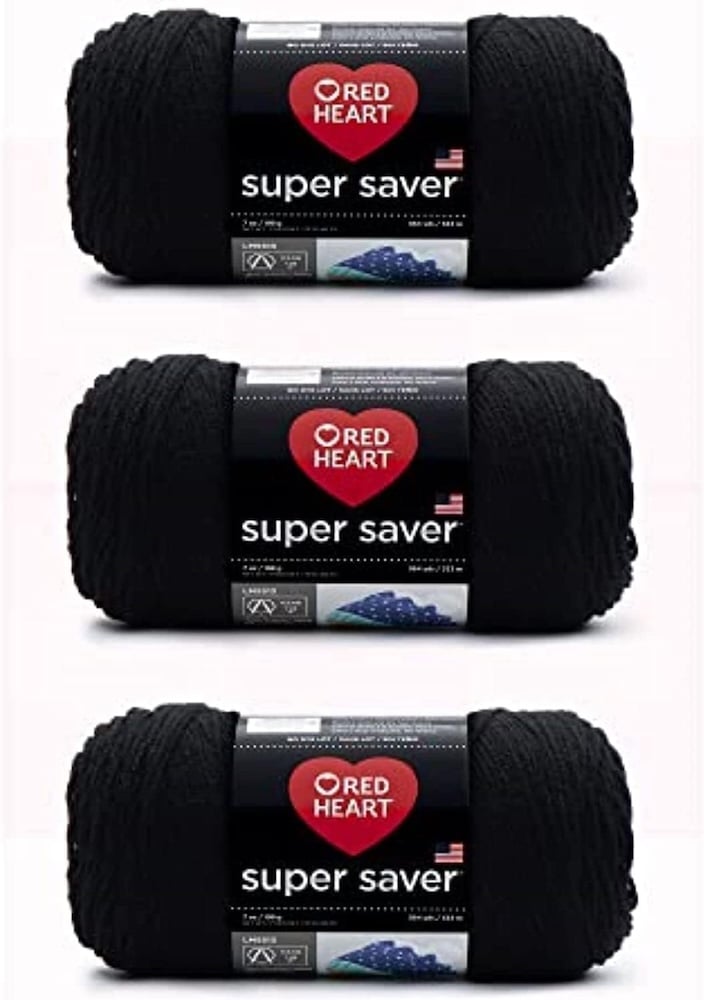
Super Saver Yarn by Red Heart Yarns
A versatile worsted-weight yarn that can work on any project.
Great for spring to fall blankets.
And perfect if you are on a budget.
FAQ: Best Yarn For Blankets
1. Is cotton yarn good for blankets?
Yes—cotton yarn is great for blankets, especially if you want something breathable for warmer climates or a cool throw for summer.
Cotton blankets can be heavier and less stretchy, but the drape can be lovely.
2. What yarn is best for baby blankets?
Look for yarn that is soft, gentle, and easy to wash.
Many makers choose acrylic blends or soft cotton blends that are machine washable, because baby blankets get washed frequently.
3. What is the best yarn weight for blankets?
Many knitters and crocheters love worsted weight yarn because it’s easy to work with, gives great stitch definition, and doesn’t take forever.
If you want speed, go bulky or super bulky.
4. What is the softest yarn for blankets?
Softness depends on fiber and brand.
Merino wool can be very soft, and many modern acrylic yarns are also designed to feel soft against the skin.
If sensitivity is a concern, avoid scratchy wools and choose soft blends.
5. Will my blanket pill over time?
Some yarns pill more than others, especially with friction and frequent use.
Blends and certain acrylic yarns can pill, while tightly spun yarns may pill less.
Washing gently and avoiding high heat can help.
6. Can I put a knitted blanket in the washer and dryer?
It depends on the yarn label.
Many acrylic yarns and some superwash wool yarns are machine washable.
Always check washing instructions to protect your finished blanket.
Blanket Patterns
For some blanket, pattern inspiration, look at the patterns below…
- How To Knit A Blanket (Free + Easy For Beginners)
- Everyone Loves Free Blanket Patterns
- 20 Free Christmas Crochet Blanket Patterns (Easy + Festive)
- 8 Crochet Baby Blanket Patterns
- Super Easy Corner To Corner Baby Blanket Pattern (Knit)
- 20 Temperature Blanket Patterns (The Ultimate Guide)
- 31 Free Baby Blanket Knitting Patterns
- 23 Fall Crochet Blanket Patterns
- Crochet Afghan Patterns
- 15 Knitted Throw Patterns (Quick + Easy Blankets)
- How To Wash A Knitted Blanket (The Complete Guide)
- 20 Scrap Yarn Blanket Ideas (Free Patterns)
What are the best yarns that are not wool? I am allergic and can’t use anything with wool. I love knitting but I have a tough time finding yarns that are great for blankets!
Hello Leeza,
You could try using Lion Brand Yarns – they have a number of acrylic yarns, including Hometown USA (a super bulky yarn).
You could also check out Lion Brand Homespun, Lion Brand Heartland, and Lion Brand Vanna’s Choice.
There are other brands too that have 100% acrylic yarns including; Red heart, Paintbox Yarns (from Love Crafts), and Stylecraft.
For 100% cotton, you could look at Scheepjes and We Are Knitters.
I hope that helps,
Louise
thanks for all this great info about yarns for blankets.
one thing, though, i avoid buying yarns with nylon, polyester, or acrylic … because these are yarns which will never break down in the environment and also, their production has wastes that actually are toxic to the environment.
best regards,
margaret
Hello Margaret,
I’m so glad you are enjoying the content.
Thanks for letting us know about your thoughts on certain fibers, maybe some knitters are not that aware of this information.
Happy knitting!
Louise