
15 Free Crochet Christmas Coasters – Quick Patterns
THIS ARTICLE CONTAINS AFFILIATE LINKS THAT SUPPORT HANDY LITTLE ME CONTENT AND FREE PATTERNS.Looking for a festive, last-minute holiday crochet project?
These 15 free crochet Christmas coasters are perfect for adding a handmade touch to your seasonal decor.
Whether you’re setting the table, gifting to friends, or just want a cozy, crafty evening project, these coaster patterns work up fast and use minimal yarn.
From snowflakes to Christmas trees and cute holiday motifs, there’s something cheerful for every style and skill level.
Get your hooks ready and add some crochet charm to your holiday season!

Save this article
Enter your email address and we'll send it to your inbox.
By entering your email, you agree to receive patterns, tutorials, and updates from Handy Little Me. Unsubscribe at any time.
Crochet Christmas Coasters: 15 Free, Quick Patterns
Stitch festive crochet Christmas coasters in no time—15 free, quick patterns to deck your table and gift list.
Happy Crocheting!
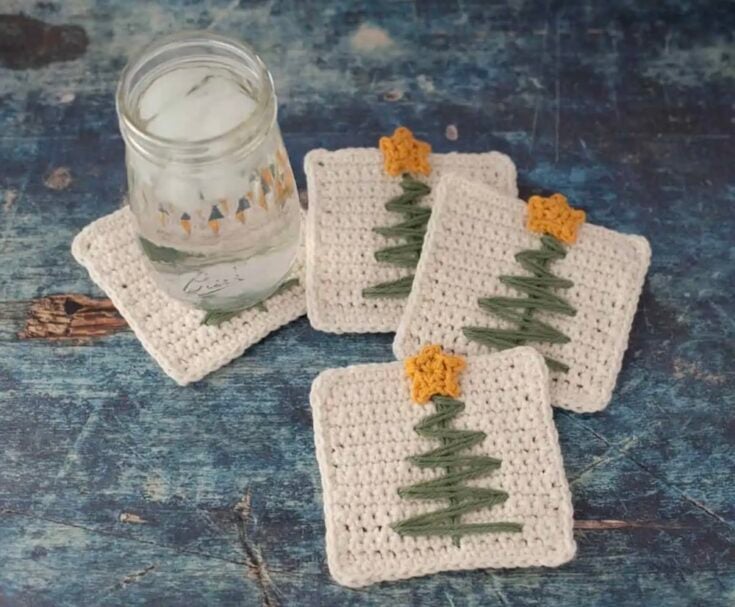
Crochet Christmas Tree Coasters by Crochet 365 Knit Too
In this blog post, you will see a crochet Christmas coaster pattern.
You will need worsted weight yarn and a 4 mm hook.
This is a great project to use up the yarn scraps in your stash.
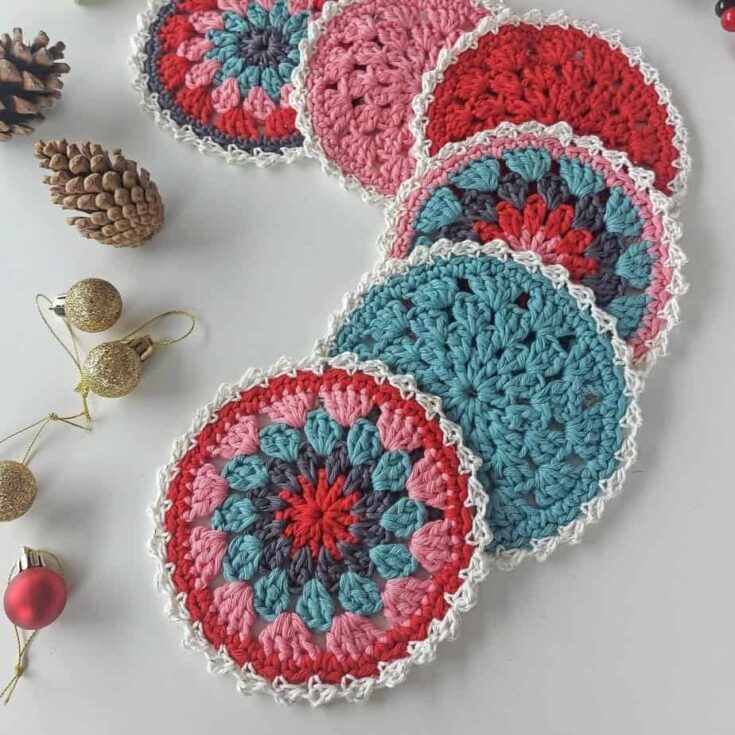
Christmas Coaster Crochet Pattern (Free) by Annie Design Crochet
Make Christmas crochet coasters with this free pattern.
This is an easy pattern, made with basic stitches.
Perfect to add a festive touch to your coffee table decor.
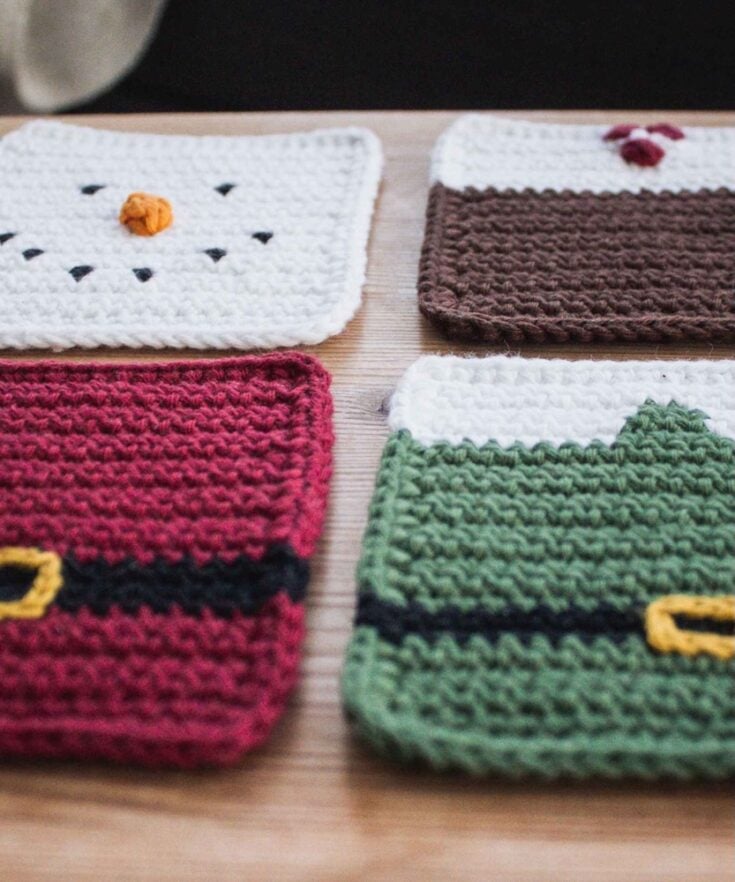
The Christmas Coasters - Crochet Pattern by The Sarling Studio
This pattern will show you how to make lovely Christmas crochet coasters.
The set includes four designs: a Santa coat, an elf jacket, a snowman, and a Christmas pudding.
Crochet a bunch of these festive coasters for yourself or as a gift.
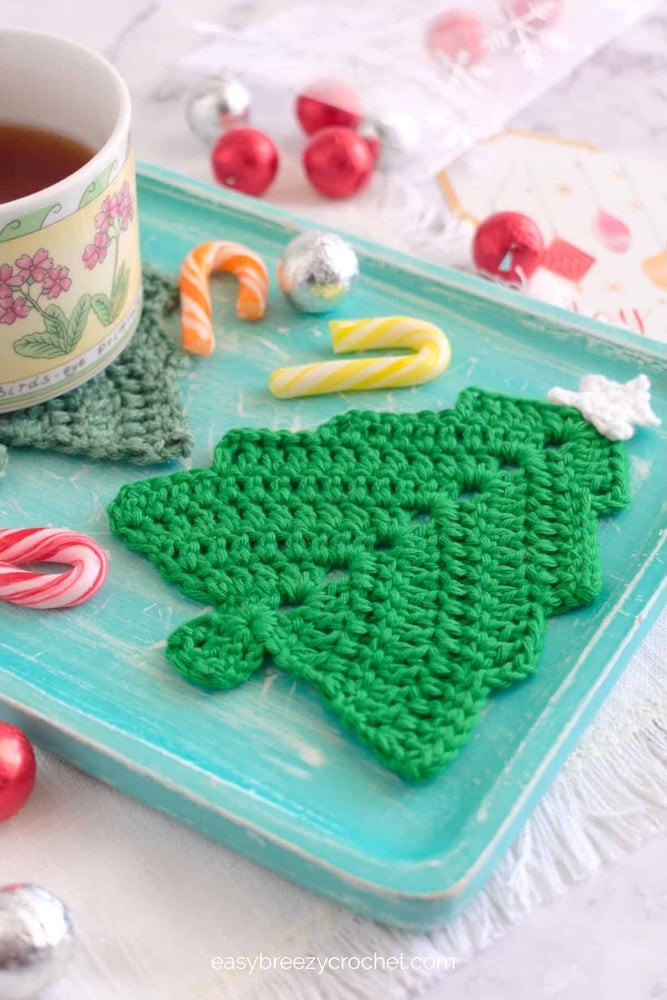
Crochet Christmas Tree Coasters by Easy Breezy Crochet
This pattern will show you how to make lovely Christmas crochet coasters.
The set includes four designs: a Santa coat, an elf jacket, a snowman, and a Christmas pudding.
Crochet a bunch of these festive coasters for yourself or as a gift.
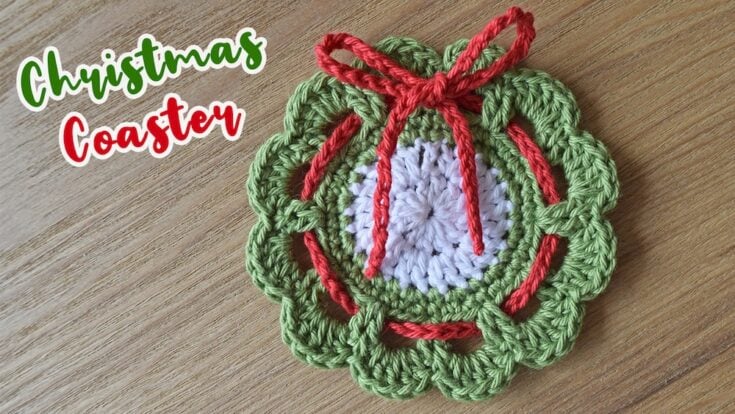
Christmas Wreath Coaster Crochet Pattern by 365 Days Of Dana
In this blog post, you will see how to make easy Christmas coasters.
It's a quick make; you can whip it up in an afternoon.
Plus, you can use it as an ornament.
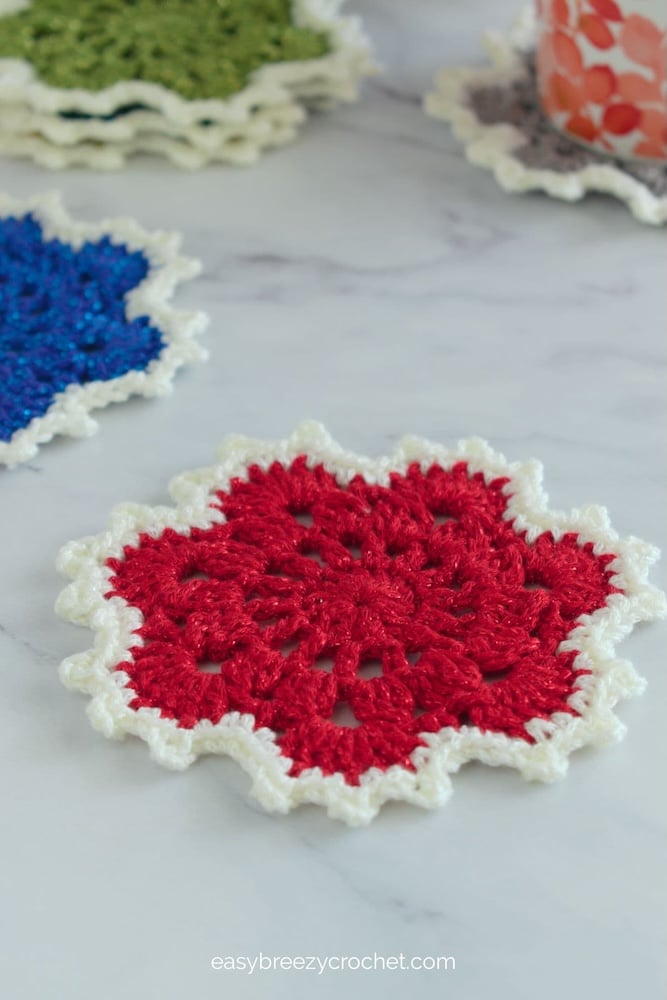
Easy Christmas Coasters To Crochet by Easy Breezy Crochet
In this blog post, you will see a Christmas crochet coaster pattern.
The pattern includes photos to help you along.
Perfect for getting your holiday home decor to the next level.

Free Christmas Crochet Coaster Pattern by Crochet 'n Create
Make adorable coasters for your holiday table with this free pattern.
Perfect for adding a pretty pop of color.
Crochet a set for you or as a last-minute gift.
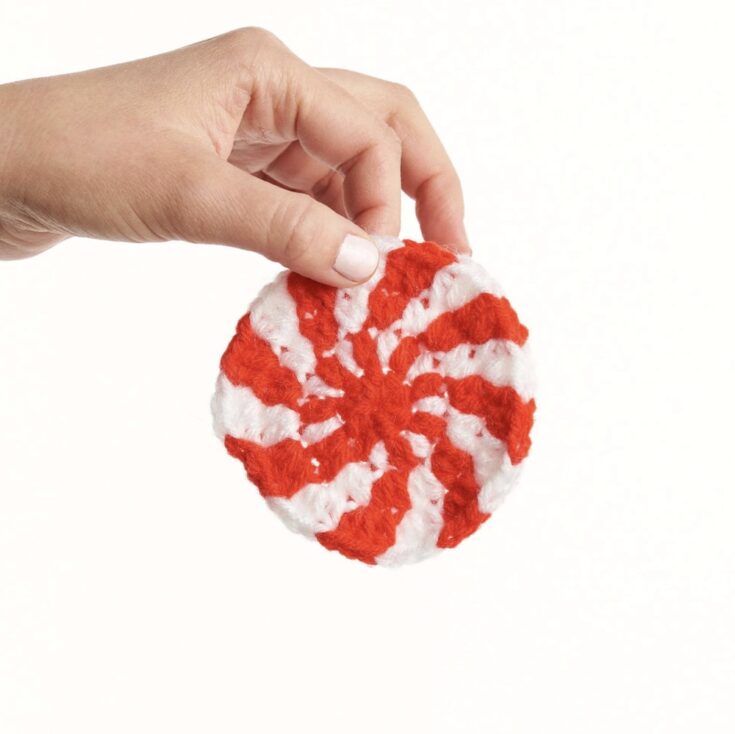
Free Red Heart Crochet Peppermint Coasters Pattern by Yarnspirations
Crochet peppermint candy coasters with this free pattern.
This is an easy project that you can make with a few scraps of white and red yarn.
Grab the free printable PDF on Yarnspirations.
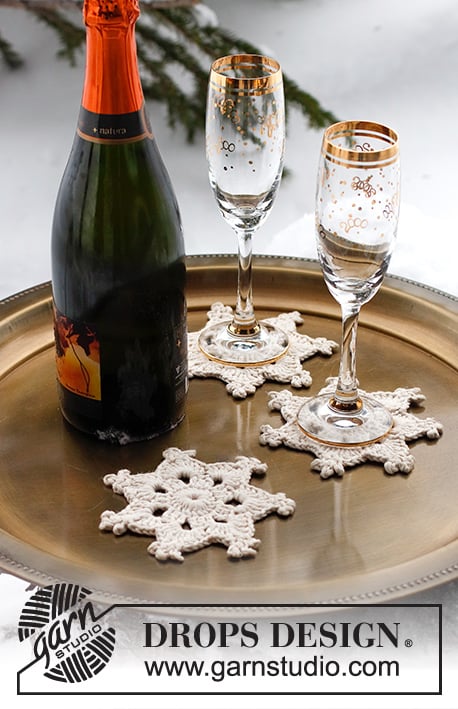
Cheers! by DROPS Design
Make star-shaped coasters with this free pattern.
They are perfect for holiday table decor, appliques, ornaments, bunting, or gift toppers.
Crochet a set for yourself or as a gift.
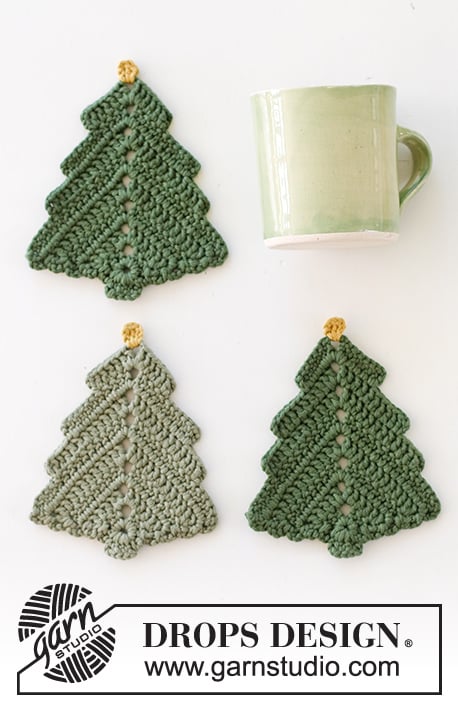
Christmas Tree Coasters by DROPS Design
This pattern will guide you through making Christmas tree coasters.
You will need cotton worsted weight, 10 ply yarn, and a 3 mm hook.
They are perfect for last-minute gifts.

Crochet Christmas Coasters by Repeat Crafter Me
In this blog post, you will see how to make crochet coasters.
It includes a gingerbread man, a Santa suit, baubles, a wreath, and a peppermint candy.
Crochet a set for you or as a gift.
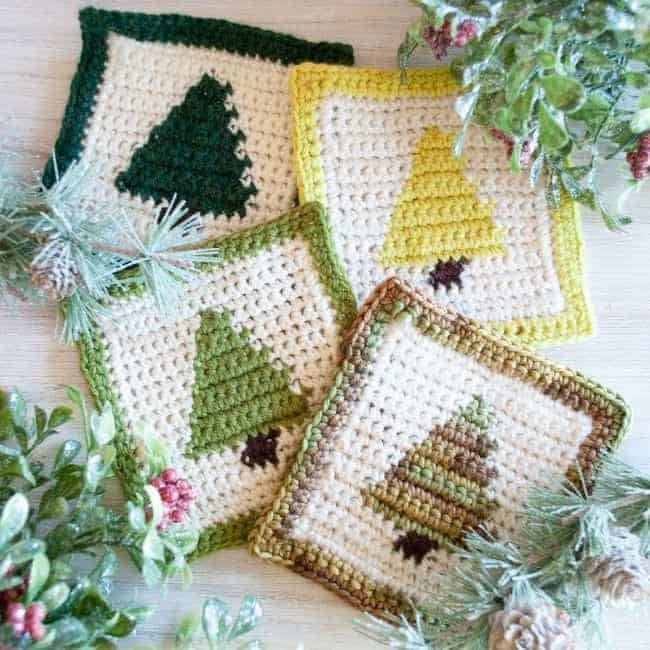
Free Christmas Tree Coaster Crochet Pattern by Crafting Each Day
Crochet coasters with festive vibes with this free pattern.
You will need small amounts of yarn in Christmas colors and a 4 mm crochet hook.
They make lovely holiday gifts.

Coaster With Christmas Ornaments by Nordic Hook
In this blog post, you will see a free Christmas coaster crochet pattern.
Made with basic crochet stitches, this is a great project for crocheters of any skill level.
They are the perfect addition to your holiday decor.

Christmas Poinsettia Coaster Crochet Pattern by Off The Hook by Chrissy
This pattern will guide you through creating cute coasters in the shape of poinsettias.
All you need is worsted weight cotton yarn and a hook size of 5.5 mm.
They are perfect for the holiday season.
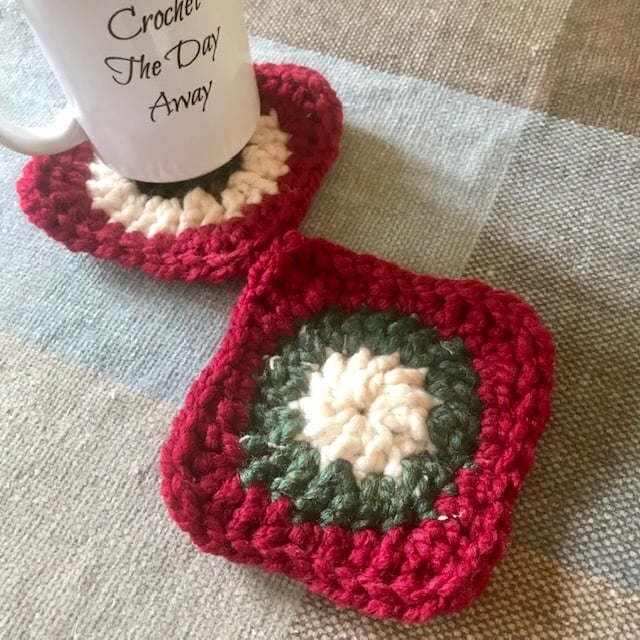
Rustic Coasters: Crochet Pattern by Carroway Crochet
Crochet rustic coasters with this free pattern.
The pattern is made with simple stitches, so it's perfect for a total beginner.
It's a great scrap yarn project, as you will need a small amount of yarn in holiday colors.
What Is The Best Crochet Stitch For Coasters?
Crocheting coasters is a fun, fast, and practical project that allows you to experiment with stitches while creating something useful.
The best crochet stitch for coasters depends on your desired look, texture, and how much absorbency or structure you want.
Here are some of the top stitches ideal for crocheting coasters:
1. Single crochet (SC)
Best for: Firm, flat coasters.
This basic stitch creates a dense and tight fabric that lays flat, perfect for functional coasters that don’t curl or stretch.
Why it works: Provides excellent structure, it’s easy to work in the round or rows, and great for color changes and appliqués.
Tip: Work in the back loop only (BLO) to add subtle texture.
Check it out here. – How To Single Crochet (SC)
2. Half double crochet (HDC)
Best for: Quick coasters with slight texture.
HDC stitches are taller than SC but still tight enough to hold shape. They add a nice bit of thickness, making them ideal for absorbing moisture and preventing condensation.
Why it works: It’s fast to work up, and it has a slightly cushioned feel. Smooth surface for setting down glasses.
Learn how to half-double crochet here. – How To Half Double Crochet Stitch For Beginners (hdc)
3. Moss stitch (linen stitch)
Best for: Woven texture and flat finish.
Made by alternating single crochets and chain spaces, this stitch lies beautifully flat and adds visual interest without bulk.
Why it works: Reversible and balanced. Looks great with variegated yarns. Easy to adjust the size for square or round coasters.
Check it out here. – How To Crochet: Linen Stitch (Free Printable)
4. Griddle stitch (alternating SC and DC)
Best for: Thick, sturdy texture.
This combo stitch creates a firm, non-curling fabric with lots of grip—great for mugs or glasses that might sweat.
Why it works: Dense and stylish. Doesn’t warp over time. Works well with cotton yarns.
5. Waffle stitch
Best for: Thick, textured coasters with grip
The waffle stitch boasts a beautiful, grid-like texture, thanks to its front post stitches, which offer both visual appeal and added thickness.
Why it works: Very absorbent. Adds depth and visual interest. Great for rustic or farmhouse style coasters.
Learn how to crochet the waffle stitch here. – How To Crochet The Waffle Stitch (Free Tutorial)
Bonus tips for crochet coasters
- Block your coasters – Helps them lie flat and look polished.
- Try border stitches – Add a round of SC, crab stitch, or picots for a decorative ed
What Is The Best Yarn For Crocheting Coasters?
When selecting yarn for crochet coasters, the most important factors to consider are durability, absorbency, and heat resistance.
Since coasters need to handle hot mugs, cold drinks, and frequent washing, not all yarns are created equal for this task.
Below are the best yarn types (and why they work), so you can pick the perfect one for your next set of handmade coasters.
1. Cotton yarn – The #1 choice
Best for: Everyday use, hot drinks, and absorbency
Yarn weights: Worsted (Medium #4) or DK (Light #3)
Why cotton works:
- Absorbent: Great for catching drips from glasses or condensation
- Heat-resistant: Won’t melt under hot mugs (unlike acrylic yarn)
- Durable: Holds up well to frequent washing
- Matte finish: Gives your coaster a clean, natural look
- Easy to block: Helps maintain shape
Top picks: Lily Sugar’n Cream, Paintbox Cotton DK, or Lion Brand 24/7 Cotton.
2. Cotton blends (cotton + acrylic or bamboo)
Best for: Soft texture and added flexibility
Why cotton blends work:
- Still absorbent with a touch of softness
- Less stiff than 100% cotton
- Often machine washable
- Great for decorative coasters that still function
Tip: Choose a blend with at least 50% cotton for best performance.
3. Recycled or eco cotton yarn
Best for: Sustainable, earth-friendly projects
Why eco cotton works:
- Usually made from garment industry leftovers
- Has a rustic texture and matte finish
- Still washable and heat-safe
- Adds a handmade, eco-conscious charm to your décor
Try yarns like: Lion Brand Re-Up, Paintbox Yarns Recycled Cotton
Yarns to avoid
- Acrylic yarn: Not heat-resistant – can melt under hot mugs
- Wool yarn: Absorbent but may felt or shrink with use and washing
- Chenille or velvet yarns: Too plush and not practical for coasters
Helpful Resources
What To Put On The Bottom Of Crochet Coasters (So They Don’t Slide)
While crochet coasters are beautiful and functional, they can sometimes slip on smooth surfaces like wood or glass.
To make your handmade coasters more practical, consider adding a non-slip backing to the bottom.
Here are some of the best options to keep them in place while protecting your furniture:
1. Shelf liner or grip matting (non-slip roll)
Best for: Inexpensive, easy-to-cut, and flexible backing
- Cut a piece to size and sew or glue it onto the back.
- Works great for sets made from cotton yarn.
- Available in various colors and thicknesses.
Tip: Choose a neutral color to blend in with your design.
2. Silicone dots or bumpers
Best for: Minimalist anti-slip support
- Small stick-on silicone pads can be attached to each corner.
- Keeps the coaster lifted slightly and in place.
- Great for preserving the look of decorative coasters.
3. Felt or cork backing
Best for: A polished, gift-worthy finish
- Use craft glue to attach a circle of felt or cork to the bottom.
- Adds a little thickness and insulation.
- Looks great for coasters meant to be decorative or gifted.
Tip: Use wool-blend felt for more durability.
4. Hot glue or puff paint dots
Best for: DIY non-slip texture
- Add small dots or lines of hot glue or puff paint to the back.
- Let it dry completely before using.
- Easy, budget-friendly option with supplies you might already have.
5. Fabric paint or rubberized coating
Best for: Coasters that need strong grip
- Apply a thin layer of grippy fabric paint or rubber coating (like Plasti Dip)
- Often used for slipper soles, these coatings provide excellent grip and water resistance.
- Make sure to test on a swatch first to ensure it adheres well to your yarn.
Tips for applying a backing
- Wait until your coaster is fully blocked and dry
- Use fabric glue or hot glue sparingly to avoid stiffening the coaster
- Let dry 24 hours before use
- If sewing, choose thread that matches your yarn color for a clean look
Supplies You Need to Crochet a Coaster
Crocheting a coaster is a fun, fast project that’s great for beginners and stash-busting.
Here’s what you’ll typically need:
1. Yarn
Choose a durable, absorbent yarn that can handle heat and moisture.
Tip: Use colorful or seasonal yarns to match your decor!
2. Crochet hook
Pick a hook that matches your yarn weight:
Worsted weight yarn – use a 5.0 mm (H-8) hook
Always check your yarn label for the recommended hook size.
Learn everything about crochet hooks here. – Crochet Hook Sizes Chart (A Free Conversion Guide)
3. Scissors
You’ll need a sharp pair of scissors to neatly cut yarn ends when finishing your coaster.
4. Tapestry needle (yarn needle)
Used to weave in yarn tails and give your coaster a clean, polished look.
5. Stitch markers (optional)
Helpful if you’re working in the round or following a complex pattern to keep your place.
Check out this post – What Are Stitch Markers? (Must Have Knitting Tools)
6. Blocking supplies (optional)
To flatten your coaster and enhance stitch definition, you may want:
- A blocking mat
- Rust-proof pins
- A spray bottle or steam iron (for cotton yarn)
Learn all about blocking here. – Blocking Knits – How To Block Knitting Guide
Crochet Lessons
If you are new to the craft and need help with the crochet basics, check out more free how-to resources here: Crochet Lessons (With Video Tutorials).
This includes crochet abbreviations, UK and US terms, how to make a slip knot, foundation chains (ch), crocheting through the front loop, and more.
If you need more video tutorials, check out my YouTube channel here – Handy Little Me – YouTube.
For extra help and to connect with more makers from the crafting community, check out the Handylittleme Knitting and Crochet Community Facebook group.
You can also find us on social media: Ravelry, Pinterest, Instagram, Twitter, Etsy, and TikTok.
Free Crochet Patterns
- 17 Free Crochet Angel Patterns To Make For Christmas
- 27 Free Crochet Christmas Tree Skirt Patterns
- 33 Gift Ideas For Crocheters 2025 (The Ultimate Guide)
- Free Santa Crochet Pattern (Christmas Amigurumi)
- 20 Free Christmas Crochet Blanket Patterns (Easy + Festive)
- 40 Free Christmas Crochet Patterns (Best For The Holiday!)
- Crochet Flat Christmas Tree Pattern (Free Appliqúe How To)
- 40 Free Crochet Christmas Ornament Patterns
- Free Christmas Crochet Moss Stitch Dishcloth
- Farmhouse Crochet Tree Skirt (Free Pattern)
- Candy Cane Stripe Crochet Dishcloth (Free Printable)
- Crochet Christmas Bauble Cover (Free Printable Pattern)
- Elf Stripes Crochet Dog Bandana (Free Pattern)