
30 Textured Knitting Stitches (Free Stitch Patterns)
THIS ARTICLE CONTAINS AFFILIATE LINKS THAT SUPPORT HANDY LITTLE ME CONTENT AND FREE PATTERNS.In this blog post, you will see 30 textured knitting stitches with free stitch patterns, photos, and project ideas.
Textured knit stitch patterns are a wonderful way to add depth, structure, and interest to your knitting projects, including cowls, scarves, mittens, sweaters, blankets, dishcloths, hats, accessories, and more.
This collection includes simple textured knitting stitches for beginners, knit and purl stitch patterns, ribbed textures, woven-look stitches, cable textures, bumpy stitches, lace-inspired textures, and decorative stitch patterns.
Whether you want a simple stitch for a dishcloth or a beautiful texture for a sweater, scarf, or blanket, you’ll find plenty of ideas below.

Save this article
Enter your email address and we'll send it to your inbox.
By entering your email, you agree to receive patterns, tutorials, and updates from Handy Little Me. Unsubscribe at any time.
Quick Answer: What Are Textured Knitting Stitches?
Textured knitting stitches are stitch patterns that create raised, bumpy, ribbed, woven, or decorative surfaces in knitted fabric.
Many textured stitch patterns are made with simple knit and purl combinations, while others use cables, slipped stitches, yarn overs, increases, decreases, or lace-style repeats.
Beginner-friendly textured stitches include seed stitch, moss stitch, broken rib, waffle stitch, hurdle stitch, purl ridge stitch, and basketweave.
If you’re new to textured knitting, start with stitch patterns made from knit and purl stitches only, then try slipped stitches, cables, lace textures, and decorative repeats as you build confidence.
Best Textured Knitting Stitches By Project
Use this quick guide to choose a textured stitch pattern for your next knitting project.
| Project | Good Textured Stitches To Try |
| Scarves | Moss stitch, seed stitch, fisherman’s rib, herringbone, broken rib |
| Blankets | Waffle stitch, basketweave, honeycomb, diamond cable, hurdle stitch |
| Sweaters and cardigans | Moss stitch, cable stitches, seersucker, rib textures, diamond brocade |
| Dishcloths and washcloths | Waffle stitch, double moss stitch, basketweave, purl ridge stitch |
| Hats | Broken rib, seed stitch, fisherman’s rib, twisted rib |
| Bags and home decor | Linen stitch, bamboo stitch, herringbone, basketweave |
| Shawls and wraps | Chevron stitch, sea foam stitch, ripple stitch, lace textures |
Textured Stitch Patterns
Want to add depth to your knits?
Explore this curated list of textured knitting stitches, including moss stitch, seed stitch, basketweave, honeycomb, waffle stitch, cable stitches, and more.
Each entry includes a swatch photo, stitch information, and a link to the full tutorial or free stitch pattern.
Some of these textured knit stitch patterns are perfect for beginners, while others are better suited to knitters who want to try cables, slipped stitches, lace, or more decorative repeats.
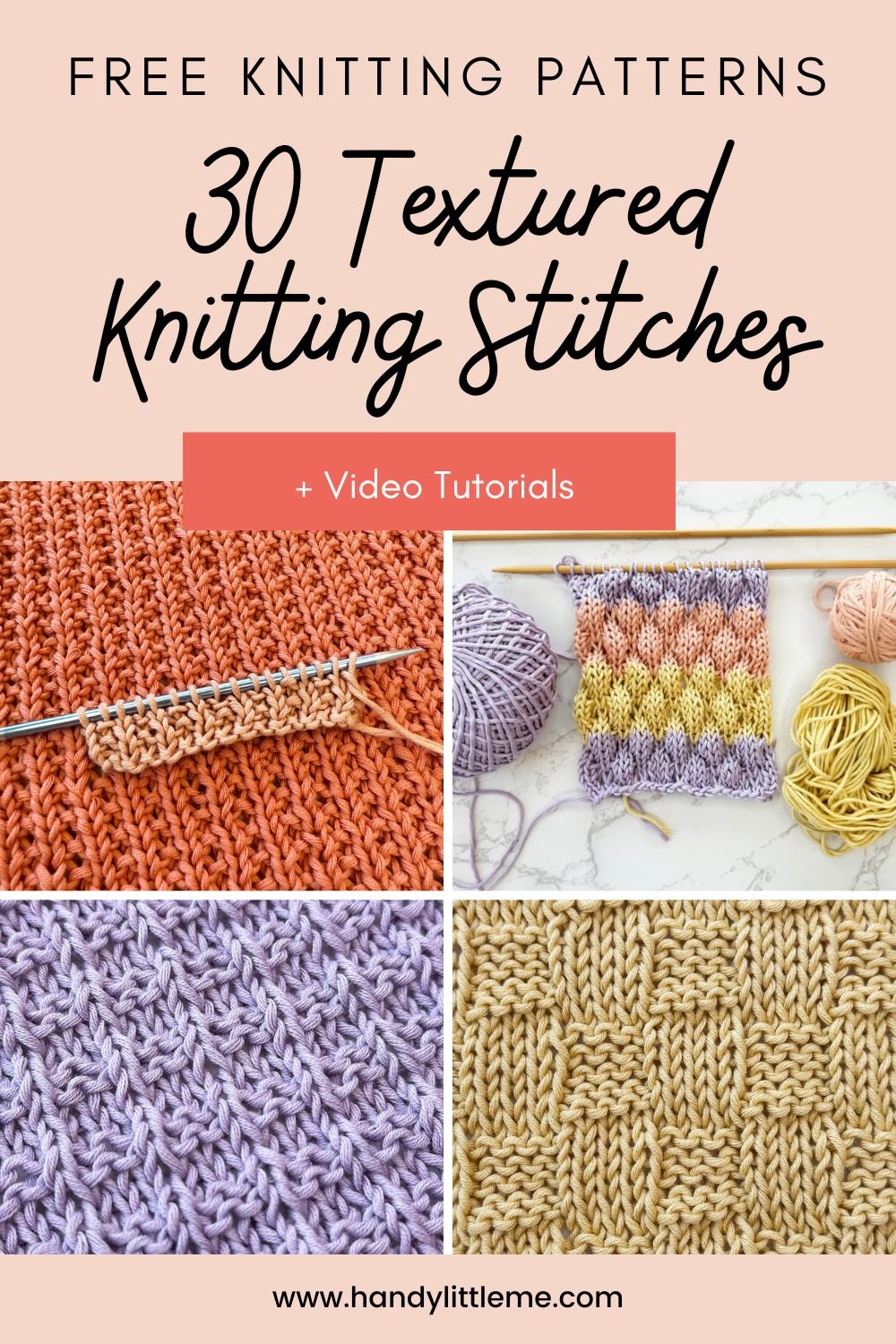
30 Textured Knitting Stitches
If you are ready to explore more than the basic stitches grab your knitting needles and yarn and check out the list below and you might find the perfect pattern for your next project.

The Irish Moss Stitch
The Irish moss stitch's pattern texture creates a rich, bumpy fabric resembling a bed of moss or pebbles.
The perfect textured knit stitch pattern for a beginner.
It is achieved by alternating knit and purl stitches in a specific pattern.
American moss stitch or double moss stitch are other terms used for this pattern.
This is the perfect stitch for dishcloths, hats, and cardigans.
And a youtube tutorial on how to knit the Irish moss stitch.
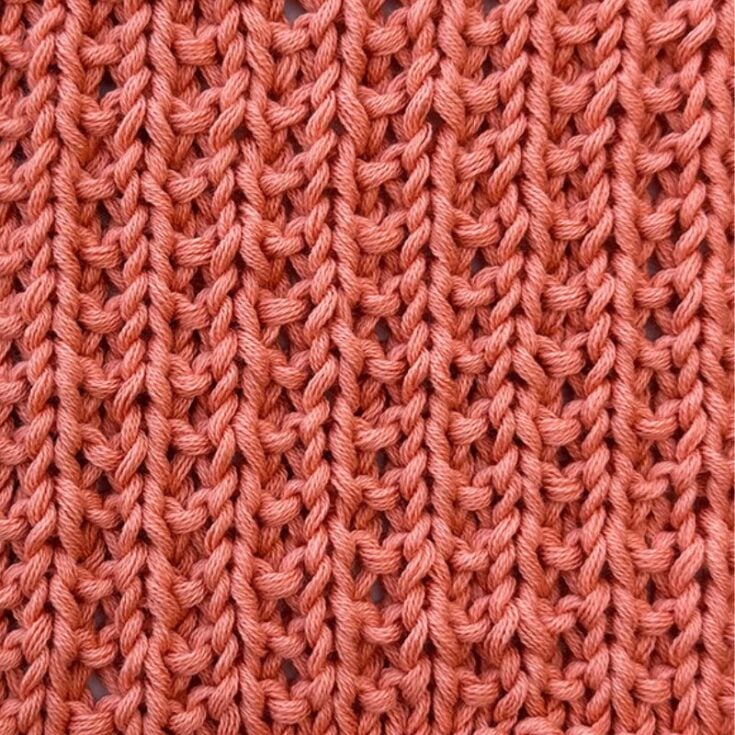
Broken Rib Stitch Knitting Pattern For Beginners
The broken rib stitch is a knitting stitch pattern that combines alternating sections of knit and purl stitches to create a textured fabric with a ribbed appearance.
It is a variation of the traditional rib stitch and produces a more open, broken-up ribbing effect.

The Little Granite Stitch
The little granite stitch, also known as the miniature granite stitch, is a textured stitch pattern that creates a raised, bumpy fabric resembling a small granite stone texture.
This a great pattern for beginner knitters.
And a youtube tutorial on how to knit the little granite stitch.

The Seed Stitch
The seed stitch, also known as the moss stitch, is a simple and popular textured knitting stitch pattern.
It creates a fabric with a bumpy, pebbled texture resembling a field of seeds or moss.
Perfect for a new knitter who wants to try a new project.
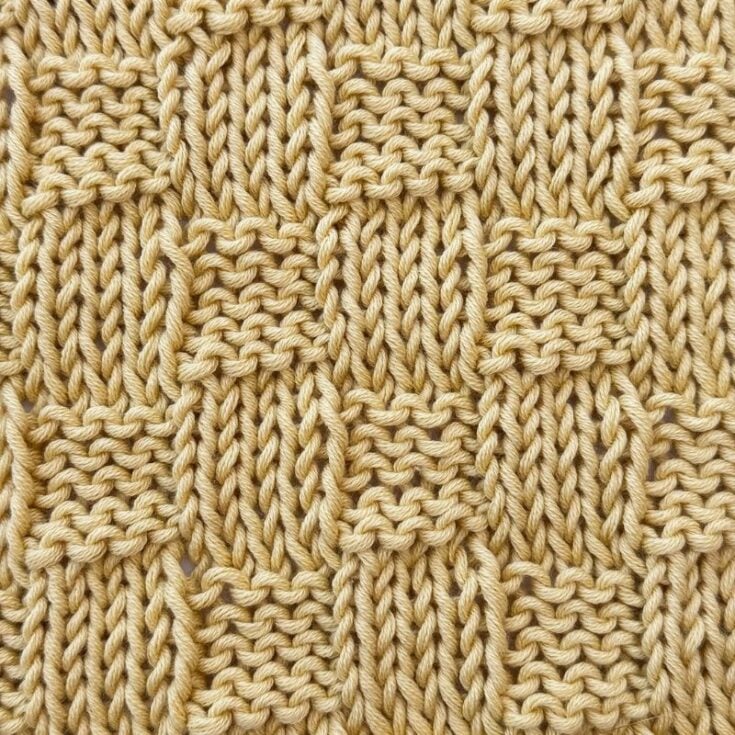
Basket Weave Knit Stitch (Free Printable)
The basket weave stitch is a textured knitting stitch pattern that creates a woven appearance resembling a basket.
It involves alternating blocks of knit and purl stitches to form a checkered or braided pattern.

The Andalusian Stitch
The Andalusian stitch is a knitting stitch pattern known for its textured, raised appearance.
It features a combination of knit and purl stitches arranged in a specific pattern to create a unique texture.
And a youtube tutorial on how to knit the Andalusian stitch here.

8 Cable Stitch Knitting Patterns
Cable stitches are a type of knitting technique that create twisted, interlocking patterns within a knitted fabric.
They are commonly used to add texture and interest to various knitting projects, such as sweaters, scarves, and blankets.
Cable stitches involve crossing stitches over one another, usually in a specific pattern, to form the appearance of braided or twisted cables.

How To Knit The Linen Stitch
The linen stitch creates a fabric with a dense, woven appearance that resembles linen fabric.
The combination of alternating knit and slip stitches in a specific pattern creates a textured effect.
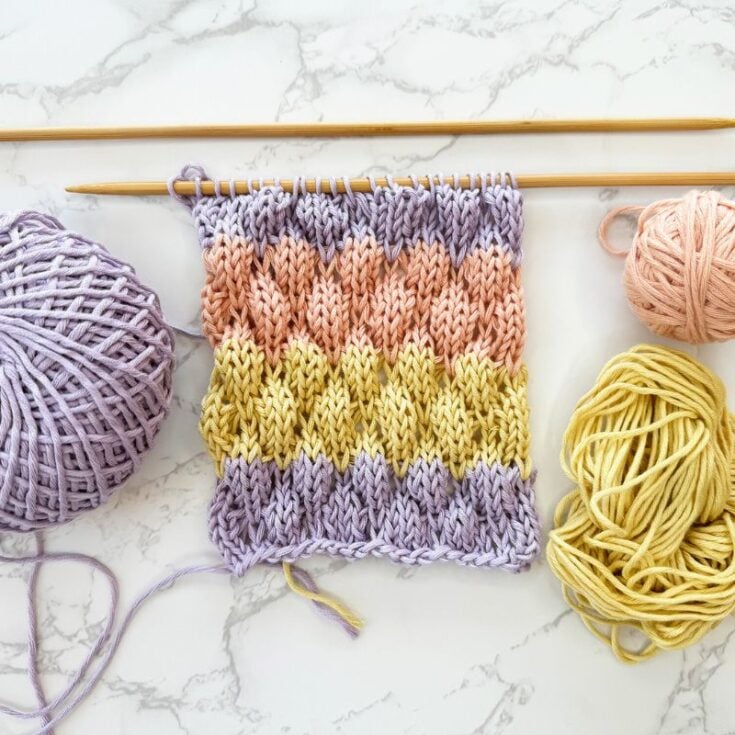
Bubble Stitch - How To Knit 4 Below Tutorial
The bubble stitch is a knitting stitch pattern that creates a textured fabric with raised bubble-like motifs.
It involves a combination of knit, purl, and increase (usually yarn over) stitches.
The bubble stitch is often used for blankets, baby items, or accessories where a playful and textured pattern is desired.
It can be worked with different yarn weights and needle sizes to achieve different effects.
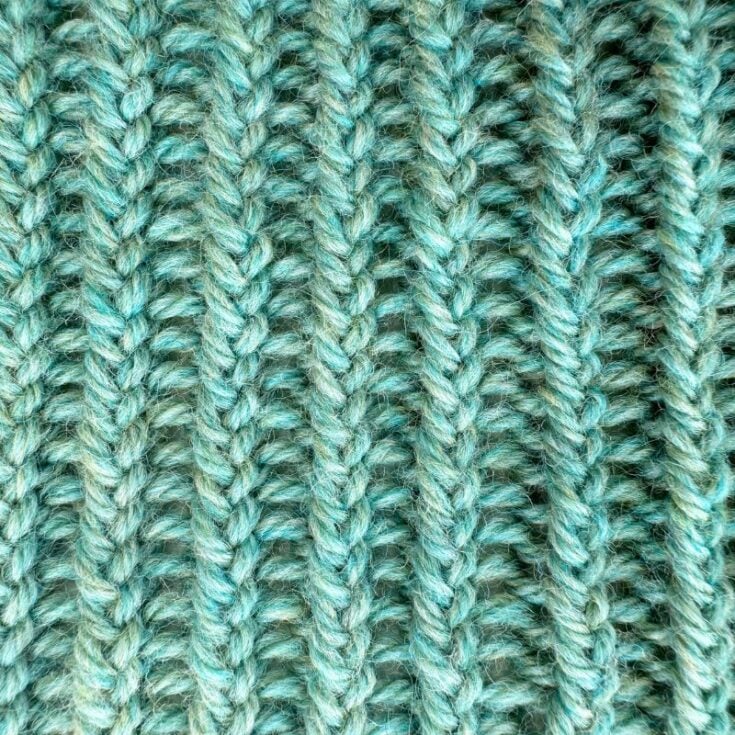
How To Knit Twisted Rib Stitch (Flat + In The Round)
This tutorial will guide you step-by-step through the process of creating the twisted rib stitch, ensuring you can master this versatile pattern and incorporate it into your next knitting project with ease.
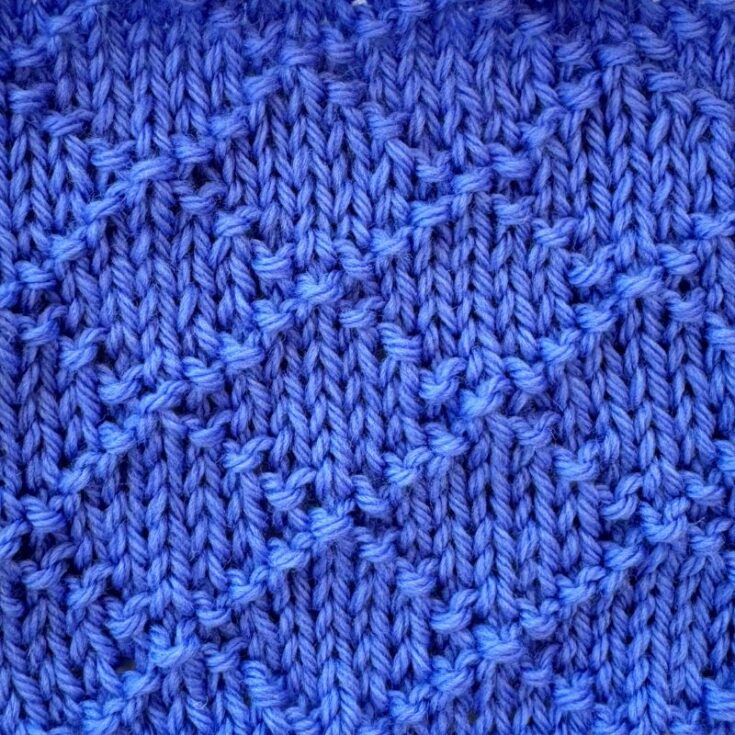
Diamond Knitting Pattern (Diamond Brocade Stitch)
Diamond Brocade Stitch Tutorial by Handy Little Me
In this blog post, you will see how to knit the diamond brocade stitch.
This stitch is an intricate knitting pattern with a repeating diamond-shaped motif with textured background stitches.
It is achieved by combining knit, purl, and slipped stitches to create a beautiful, textured fabric suitable for various projects like blankets, scarves, and sweaters.
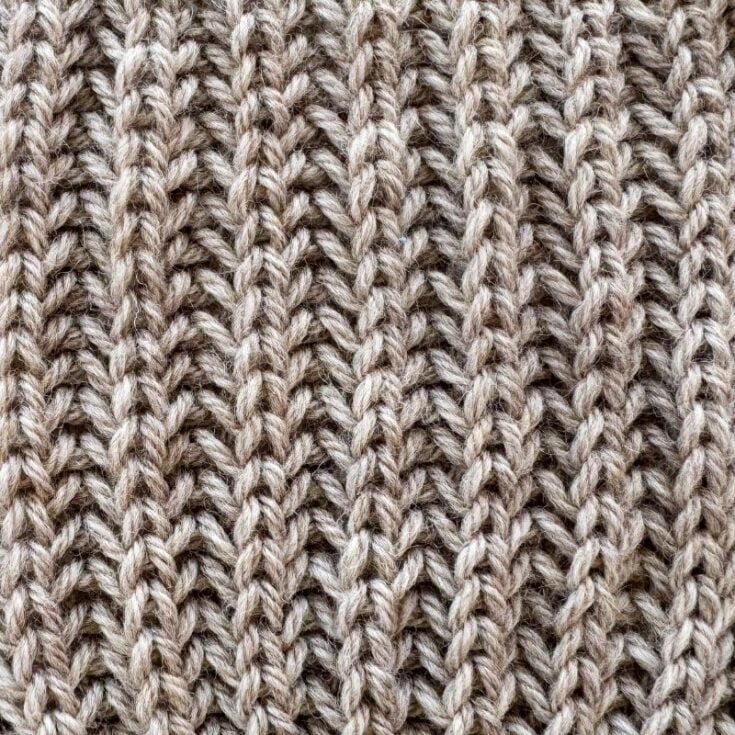
Fisherman's Rib Stitch Knit Pattern (Flat + In The Round)
Learning to knit the fisherman’s rib stitch both flat and in the round opens up a world of cozy, textured projects.
This stitch creates a plush, stretchy fabric perfect for warm scarves, hats, and sweaters.
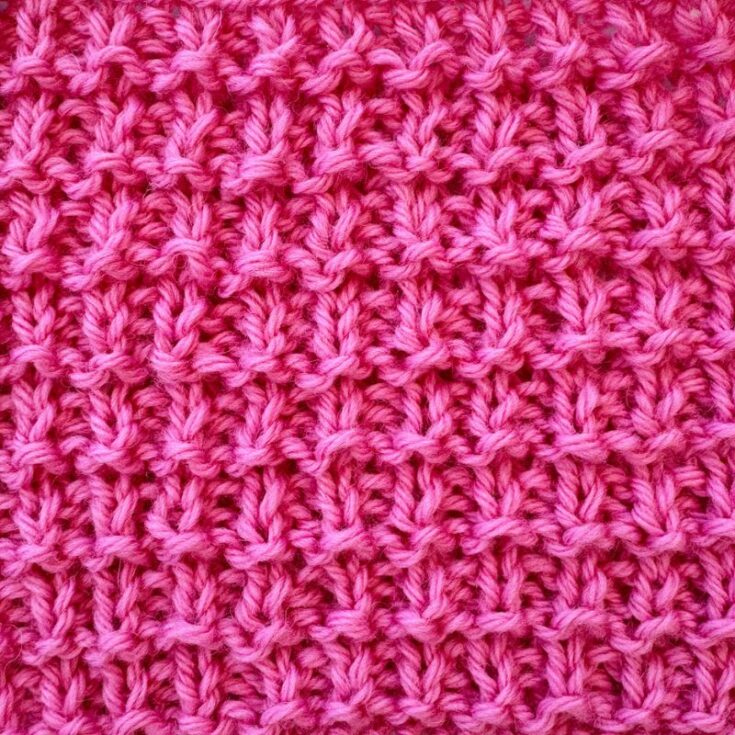
Hurdle Stitch Knitting Pattern (Easy For Beginners)
The hurdle stitch has a wonderfully thick texture, making it suitable for all kinds of projects, from household items to cardigans and sweaters.
If you are new to the hurdle pattern, creating a dishcloth is an excellent way to practice and familiarize yourself with its intricacies and versatility.
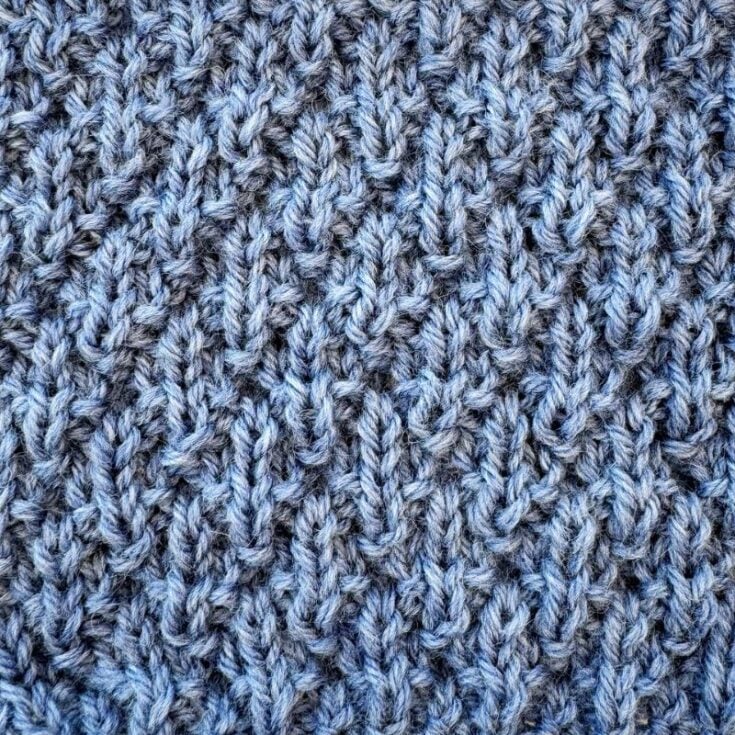
Seersucker Stitch Pattern Ideal For Beginners
The seersucker stitch is a knitting stitch pattern that creates a textured fabric with alternating sections of raised ridges and smooth sections.
It resembles the puckered appearance of seersucker fabric, hence the name.
A beautiful stitch for garments like cardigans, sweaters, and more.
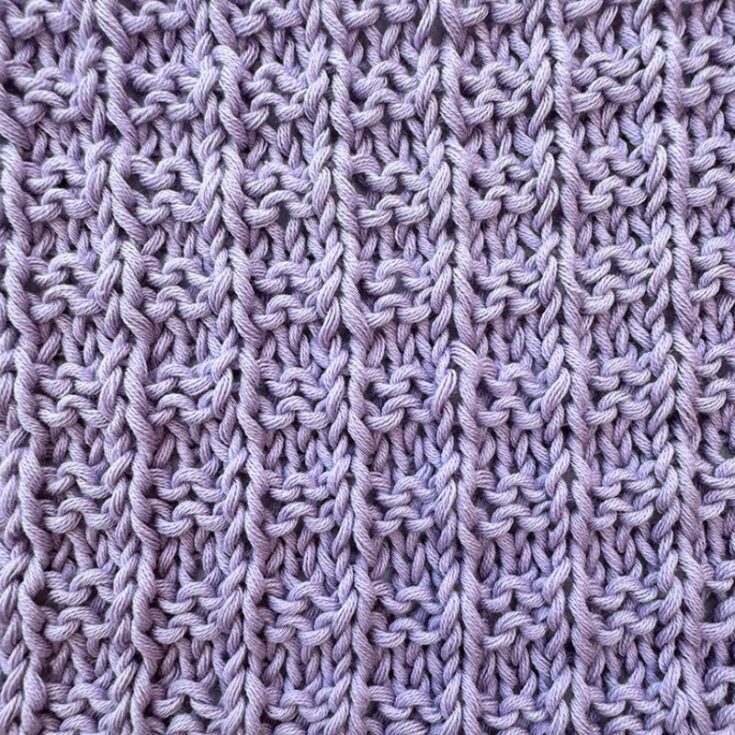
Waffle Stitch Knitting Pattern (Simple Knit Tutorial)
In this blog post, you will see how to knit the waffle stitch and a waffle stitch knitting pattern (dishcloth).
It creates a textured and sturdy fabric that’s perfect for dishcloths, washcloths, potholders, and other kitchen accessories.
This tutorial will walk you through each process step, from casting on to binding off.
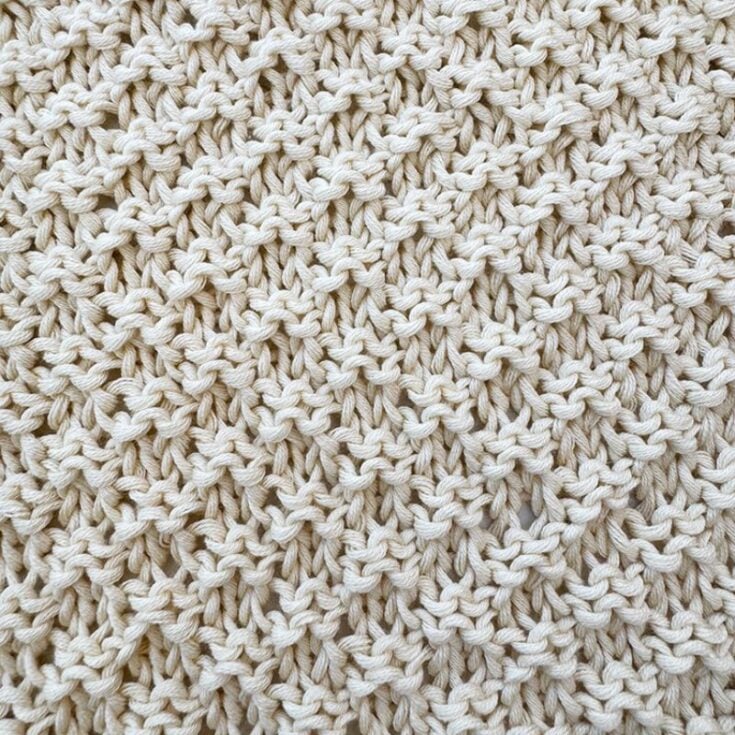
Double Moss Stitch (Free Knitting Pattern For Beginners)
In this blog post, you will see how to knit the double moss stitch and a free knitting pattern for beginners.
The double moss stitch is a simple pattern that creates a beautifully textured fabric with little effort.
This free knitting pattern is easy to follow and great for beginners looking to practice their knitting skills.

12 Simple Knitting Stitches For Beginners
This post includes 12 simple knitting stitches for beginners, including garter stitch, stockinette stitch, and ribbing.
Nearly all of the stitches in this collection, which are all knit and purl stitches, can be used for beginner patterns.

Clutch Bag Pattern (Bamboo Stitch Knit)
Clutch Bag Pattern (Bamboo Stitch Knit).
In this blog post, you will see how to knit the bamboo stitch and a clutch bag that you can rock all summer.
And there is a video tutorial to show you how to knit the bamboo stitch.

Chevron Stitch
How To Knit The Chevron Stitch.
In this blog post, you will see how to knit the beautiful chevron stitch.
It is a decorative knitting pattern that creates a V-shaped, zigzag design.
It is achieved by alternating knit and purl stitches in a repeating pattern, resulting in a textured, wavy fabric.

How To Knit Herringbone Stitch
In this post, you will see how to knit herringbone stitch.
This stitch pattern gives a beautiful texture to your knitted fabric.
Perfect for many projects, like bags, pillows, blankets, and coasters.
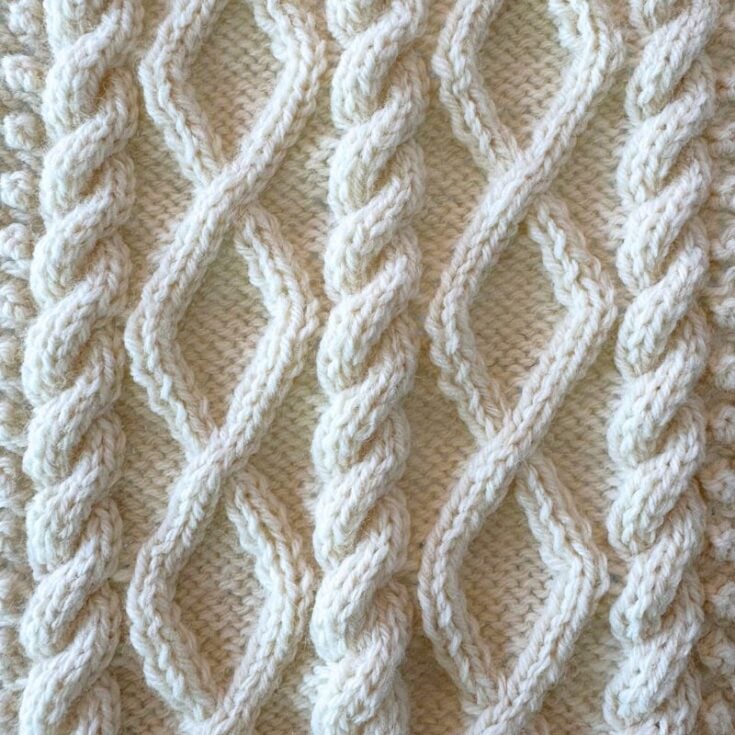
How To Knit The Diamond Cable Stitch (Free Stitch Pattern)
The diamond cable stitch is a classic Aran cable pattern that creates raised, interlocking diamonds—a rich texture that looks gorgeous on sweaters, hats, and cable blankets.
This tutorial gives you clear instructions, helpful tips, and a clean pattern row-by-row so you can swatch the panel or plug it into a fully realized knitted project.
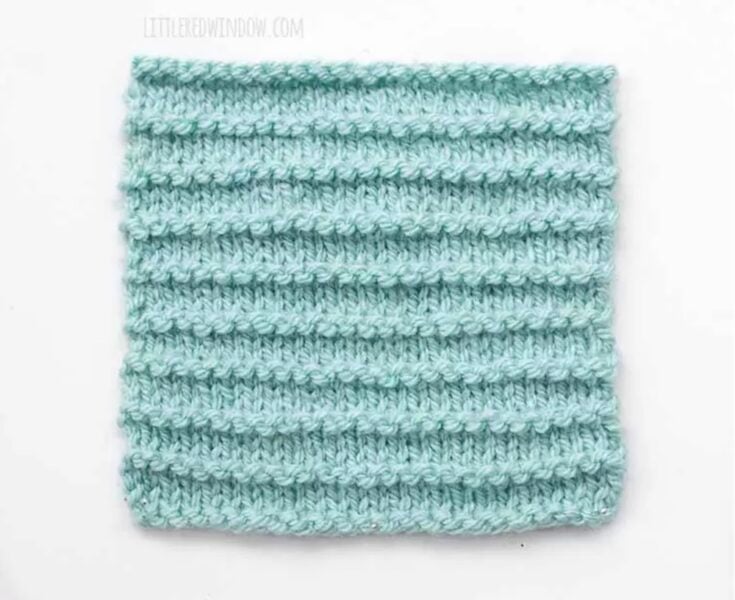
Purl Ridge Stitch Knitting Pattern: Easy How To for Beginners
Purl Ridge Stitch Knitting Pattern: Easy How To for Beginners by Little Red Window.
In this blog post, you will learn how to knit the purl ridge stitch.
The stitch is a simple yet textured knitting pattern formed by alternating rows of knit stitches and purl stitches.
This creates raised ridges or stripes on the fabric, adding dimension and visual interest to the design.
Plus, you can print the pattern for free!

The Honeycomb Stitch
The honeycomb stitch is a knitting stitch pattern that creates a textured fabric resembling the hexagonal cells of a honeycomb.
It is achieved by using a combination of knit, purl, and slipped stitches.
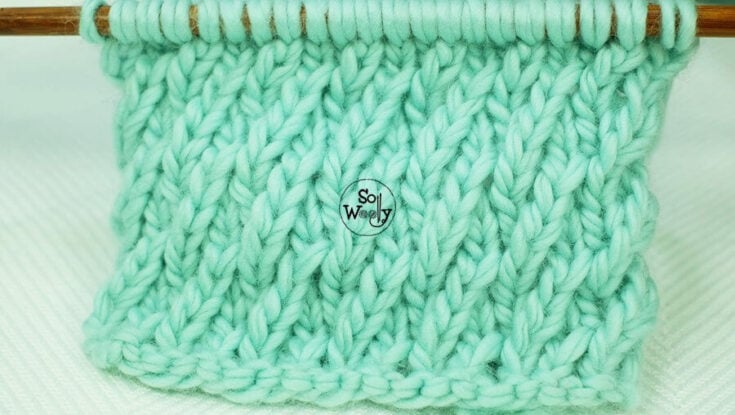
The Ripple Stitch
The ripple stitch is a knitting stitch pattern that creates a wavy or rippling effect in the fabric.
It involves a series of increases and decreases that create undulating waves.

The Bramble Stitch
The bramble stitch is a knitting stitch pattern that creates a textured fabric with a raised, bumpy appearance.
It involves a combination of knit, purl, and slipped stitches.
This stitch is a 4-row repeat pattern.

The Blackberry Stitch
The blackberry stitch, the raspberry stitch, and the trinity stitch are essentially the same stitch pattern and are often used interchangeably in knitting.
The blackberry stitch is a textured knitting stitch pattern that resembles clusters of blackberries or raspberries.
It involves a combination of knit, purl, and cable stitches to create the raised texture.
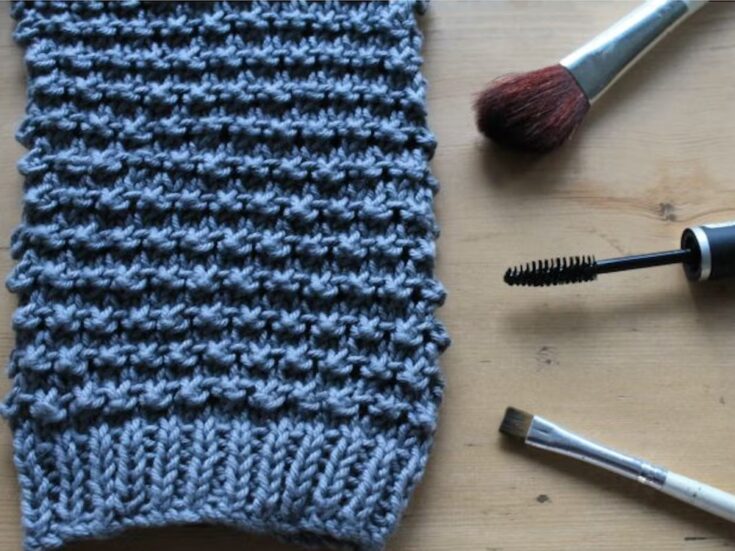
The Pebble Stitch
The pebble stitch is a knitting stitch pattern that creates a textured fabric with small, raised bumps resembling pebbles.
It is achieved by using a combination of knit and purl stitches.
By repeating a two-row pattern, you create a fabric with a raised texture, where the knit stitches form the smooth background and the purl stitches create small bumps resembling pebbles.

The Scallop Stitch
The scallop stitch is a knitting stitch pattern that creates a decorative edge or border with a scalloped or wavy appearance.
It is often used to add a feminine or decorative touch to projects such as blankets, scarves, or garment edges.

The Sea Foam Stitch
The seafoam stitch, also known as the old shale stitch or feather and fan stitch, is a lace knitting stitch pattern that creates a wavy, undulating fabric reminiscent of ocean waves or seafoam.
It involves a combination of knit, purl, and yarn overs (yo) stitches.

The Acorn Stitch
The acorn stitch is a knitting stitch pattern that creates a textured fabric with a motif resembling acorns.
It involves a combination of knit, purl, and cable stitches.
The alternating knit and purl sections create the background texture, while the cable stitches form the acorn motifs.

The Lotus Flower Stitch
The lotus flower stitch is a knitting stitch pattern that creates a textured fabric with a motif resembling lotus flowers or petals.
It typically involves a combination of knit, purl, and slip stitches.
The lotus stitch is often used for various projects such as scarves, shawls, or blankets, where a visually interesting and textured stitch pattern is desired.

The Mermaid Stitch
The mermaid stitch is a knitting stitch pattern that creates a textured fabric with a design reminiscent of mermaid scales or waves.
It involves a combination of knit, purl, and slip stitches.
The mermaid stitch is often used for various projects such as scarves, shawls, or blankets, where a visually interesting and textured stitch pattern is desired.

The Tartan Weave Stitch
The tartan weave stitch is a knitting stitch pattern that creates a textured fabric with a design resembling the traditional tartan plaid pattern.
It typically involves a combination of knit, purl, and slipped stitches.
What Is A Textured Stitch Pattern?
In knitting, a textured stitch pattern adds visual and tactile interest to the fabric.
Instead of creating a flat surface, textured stitches use different combinations of knit stitches, purl stitches, slipped stitches, cables, yarn overs, increases, and decreases to create depth and pattern.
Some textured knitting stitches are simple and beginner-friendly, while others are more decorative or advanced.
Simple textured stitches often use only knit and purl stitches.
Examples include seed stitch, moss stitch, broken rib, waffle stitch, hurdle stitch, and basketweave.
More advanced textured stitches may include cable crosses, lace repeats, slipped stitches, or shaped motifs.

How Do You Knit A Textured Stitch?
To knit a textured stitch, follow the specific row-by-row stitch pattern instructions.
Each textured stitch pattern will tell you how many stitches to cast on, how many rows are in the repeat, and which stitches to work on each row.
Here’s a general overview:
- Read through the stitch pattern before you begin.
- Check the stitch multiple, such as multiples of 2, 4, 6, or 8 stitches.
- Cast on the correct number of stitches for your swatch or project.
- Work each row as written.
- Repeat the pattern rows as instructed.
- Keep your tension even so the texture stands out clearly.
- Bind off when your swatch or project is the right length.
- Block the swatch or finished piece if needed to help the texture settle.
It’s always a good idea to make a small swatch before using a textured stitch in a larger project.
A swatch helps you see how the stitch looks with your yarn and needles, and it can also help you check gauge before making garments, blankets, or accessories.
Tips For Knitting Textured Stitch Patterns
Here are a few helpful tips for working textured knit stitch patterns:
- Use a smooth yarn so the texture is easy to see.
- Choose a solid or lightly heathered color for detailed stitches.
- Avoid very fuzzy yarn if you want crisp stitch definition.
- Read the full stitch repeat before starting.
- Use stitch markers for wider repeats.
- Count your stitches regularly.
- Make a swatch before starting a larger project.
- Block your finished piece to help even out the stitches.
- Start with knit and purl textures before trying cables or lace.
If you want the texture to stand out, choose yarn with good stitch definition, such as wool, wool blends, cotton, acrylic blends, or smooth worsted-weight yarn.

FAQ: Textured Knitting Stitches
What are textured knitting stitches?
Textured knitting stitches are stitch patterns that create raised, bumpy, ribbed, woven, or decorative effects in knitted fabric.
They can be made with knit and purl stitches, cables, slipped stitches, yarn overs, increases, decreases, and other knitting techniques.
What is the easiest textured knitting stitch for beginners?
Seed stitch, moss stitch, broken rib, hurdle stitch, waffle stitch, and basketweave are all good textured knitting stitches for beginners.
They use simple knit and purl combinations and are easy to practice in a small swatch.
Which textured knitting stitches are best for blankets?
Good textured stitches for blankets include waffle stitch, basketweave, honeycomb stitch, moss stitch, hurdle stitch, diamond cable, and double moss stitch.
Choose a stitch that creates a fabric you like and does not curl too much at the edges.
Which textured stitches are best for scarves?
Moss stitch, seed stitch, fisherman’s rib, herringbone stitch, broken rib, and basketweave are all lovely choices for scarves.
For scarves, choose a textured stitch that looks good on both sides or add a neat border to help the edges lie flat.
Can beginners knit textured stitch patterns?
Yes, beginners can knit textured stitch patterns.
Start with simple knit and purl textures before moving on to cables, lace, or slipped stitch patterns.
A small swatch, dishcloth, or scarf is a great way to practice.
What yarn is best for textured knitting stitches?
Smooth yarns with good stitch definition are best for textured knitting stitches.
Wool, wool blends, cotton, acrylic blends, and smooth worsted weight yarns can all work well.
Avoid very fuzzy or highly variegated yarns if you want the stitch pattern to be easy to see.
Do textured stitches use more yarn?
Some textured stitches use more yarn than plain stockinette stitch.
Dense stitches, cables, bobbles, waffle stitch, fisherman’s rib, and heavily textured patterns can all use extra yarn.
If you are substituting a textured stitch in a pattern, make a swatch and buy extra yarn if needed.
How do I make textured stitches stand out?
To make textured stitches stand out, use a smooth yarn in a solid or lightly heathered color.
Keep your tension even, choose the right needle size, and block the finished piece if the yarn allows.
Good lighting in your photos will also help show the stitch texture clearly.
What is the prettiest knitting stitch?
“Prettiest” is subjective, but textured classics such as seed stitch, moss stitch, honeycomb stitch, waffle stitch, herringbone stitch, basketweave, and diamond cable are all beautiful choices.
Choose a stitch that suits your project and yarn.
What is the most popular stitch in knitting?
Garter stitch and stockinette stitch are two of the most common knitting stitch patterns.
For texture, ribbing, seed stitch, moss stitch, basketweave, and cable stitches are popular because they add interest without being too difficult to use in projects.
What is the smoothest stitch in knitting?
Stockinette stitch creates one of the smoothest knitted surfaces, with neat V-shaped stitches on the right side.
If you want a very smooth finish, use a low-halo yarn and keep your tension even.
Which knitting style is most popular?
English knitting and Continental knitting are both widely used.
There is no single best knitting style.
The best method is the one that feels comfortable in your hands and helps you keep an even tension.
How do I get a nice edge when knitting?
To create a neat edge, you can try a chain selvedge, garter stitch border, or slipped stitch edge.
You can also knit the first and last few stitches of every row to help prevent curling and create a tidy border.
Blocking can also help the edges look neater.
More Knitting Stitches
If you are looking for more knitting stitch patterns, check out these helpful tutorials:
- The Ton & Tea Dishcloth Collection (10 PDFs)
- 30 Knitting Stitches For All Skill Levels
- 41 Different Knitting Stitches For All Skill Levels
- 30 Reversible Knitting Stitch Patterns You Will Love!
- Knitting Lessons
- Video Tutorials
Textured knitting stitches are a fun way to make your projects more interesting, whether you’re knitting a simple dishcloth, a cozy blanket, a warm scarf, or a beautiful sweater.
Choose one stitch, make a swatch, and see how it looks with your yarn.