
17 Free & Easy Pillow Knitting Patterns
THIS ARTICLE CONTAINS AFFILIATE LINKS THAT SUPPORT HANDY LITTLE ME CONTENT AND FREE PATTERNS.If you’re looking for a quick and cozy way to refresh your space, knitted pillows are the perfect home décor project.
Whether you’re a beginner or a seasoned knitter, making your own pillow covers is both relaxing and rewarding.
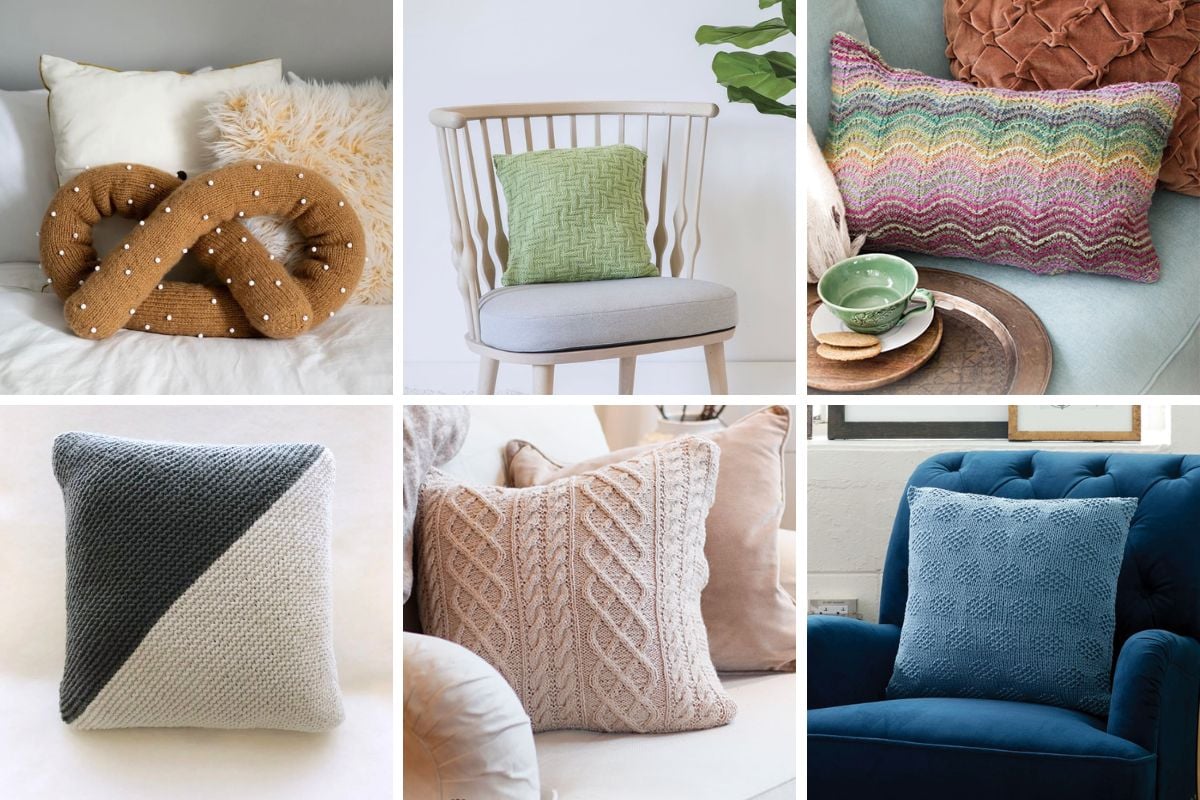
From chunky textures to playful shapes and timeless cable designs, these 17 free and easy pillow knitting patterns will help you create something beautiful and functional.
With just a few basic supplies and your favorite yarn, you can knit stylish cushions to match any room or craft a heartfelt, handmade gift.
Get inspired and start stitching your next comfy creation!
Save this article
Enter your email address and we'll send it to your inbox.
By entering your email, you agree to receive patterns, tutorials, and updates from Handy Little Me. Unsubscribe at any time.
17 Free & Easy Pillow Knitting Patterns
Browse 17 free, easy knit pillow patterns—chunky, cable & colorwork—with step-by-step tutorials, and yarn tips.
Happy knitting!

How To Make A Chunky Knit Pillow Cover- Free Pattern
The Fair Isle throw pillow cover is really squishy, perfect for snuggling into over Christmas.
This is the perfect project to make for the holidays.
Made with super bulky yarn and big needles, you can knit a throw pillow in one afternoon.
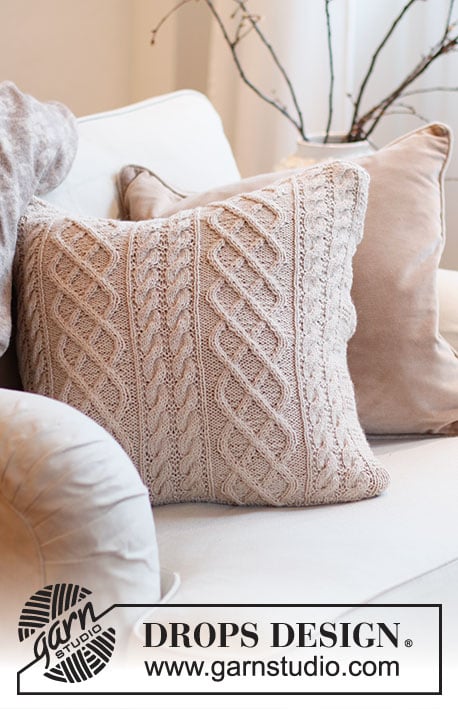
Poetry Reading Pillow by DROPS Design
Make a pillow with this free knitting pattern.
The cable design makes for an interesting project.
Knit one for you or as a gift.
This pattern will help you create beautiful pillows.
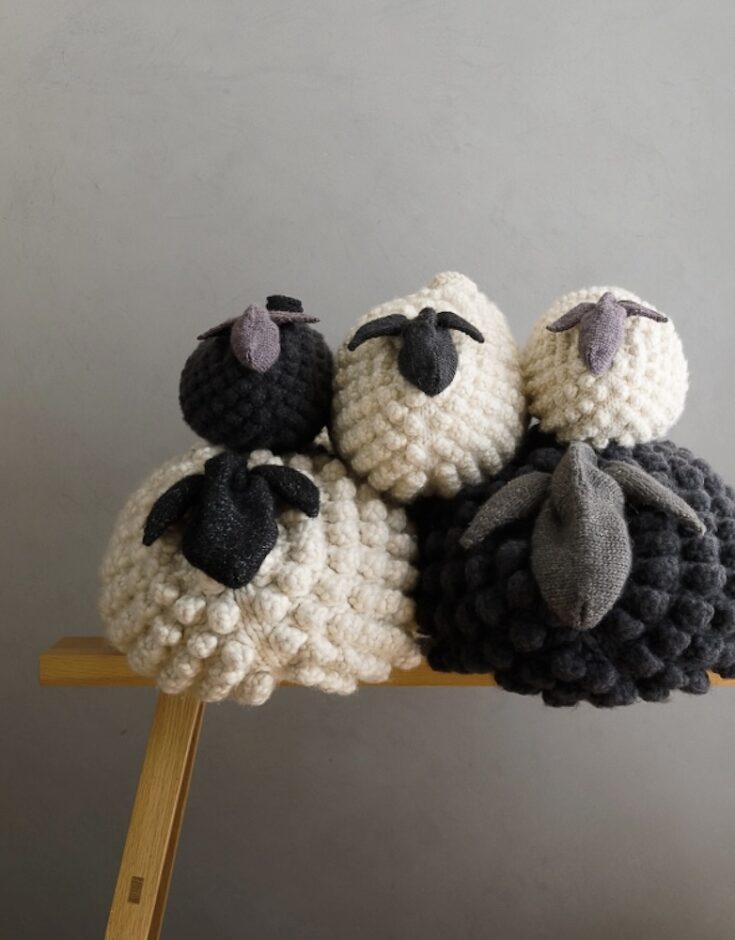
Bobble Sheep Pillow In Partridge by Purl Soho
Knit a sheep-shaped pillow with this free pattern.
This adorable buddy is knitted with the bobble stitch.
If you are a yarn lover, this is the perfect project for you.
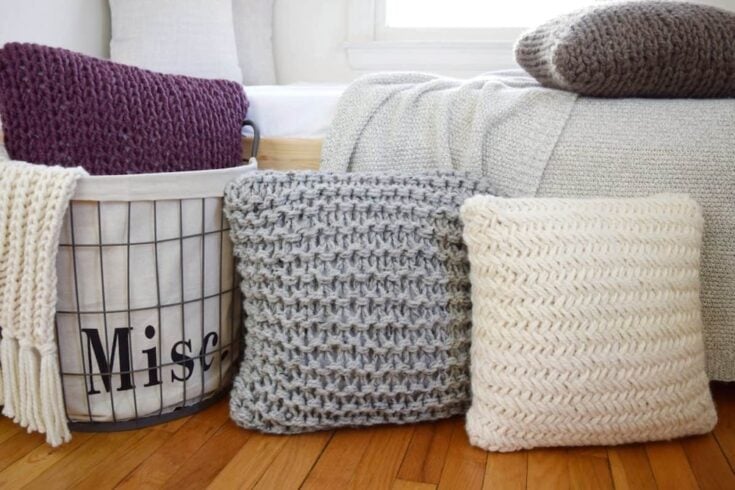
Chunky Throw Pillow Set – Free Pattern by Knifty Knitting
Make a pillow set with these free knitting patterns.
Each pillow is made using a different stitch pattern: stockinette, herringbone, and garter stitch.
Plus, there is a video tutorial to help you seam your project.
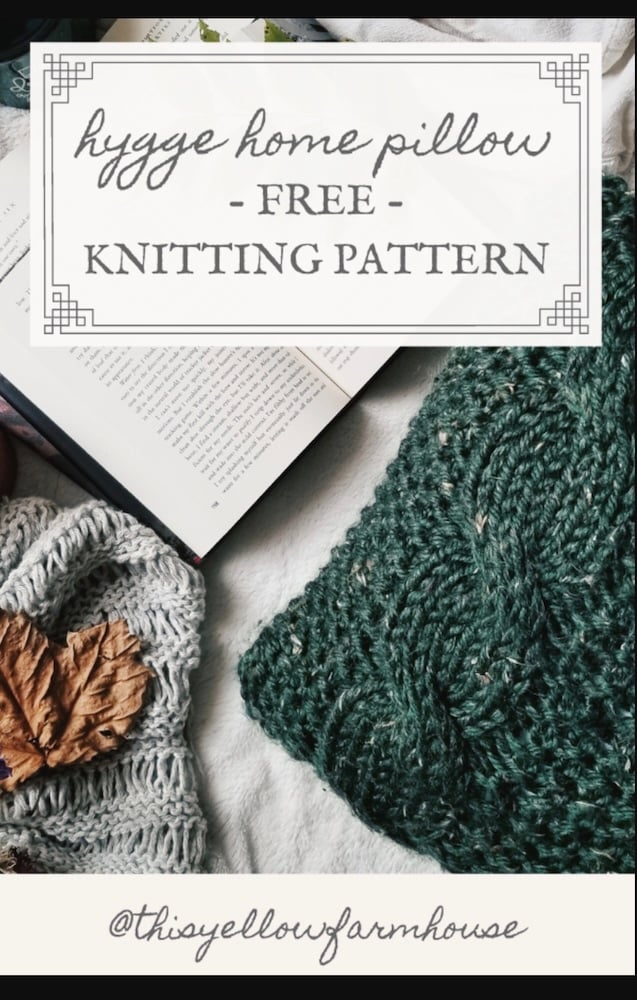
A Free Knitting Pattern: Hygge Home Knit Pillow Cover by This Yellow Farmhouse
Knit a beautiful pillow with a cable design following the pattern's instructions.
These cushion covers will be the perfect addition to your home decor.
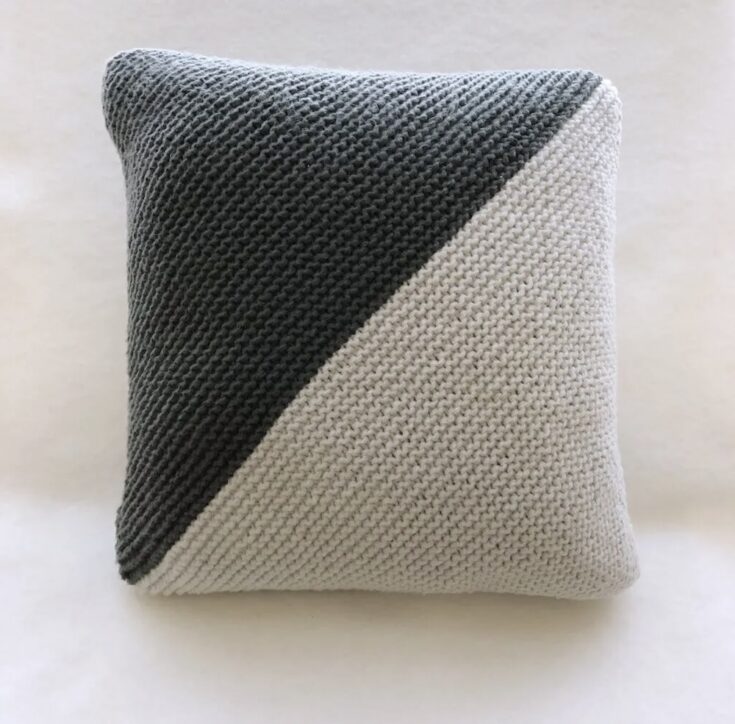
Free Knitting Pattern: Easy Two-Toned Pillow by Edie Eckman
Make a soft and comfortable pillow with this free pattern.
The project requires basic knitting knowledge, so it's perfect for all makers.
Made with beautiful earthy tones from the Lion Brand Feels Like Butta collection.
Knit one in your favorite playful colors if you prefer a vibrant look.
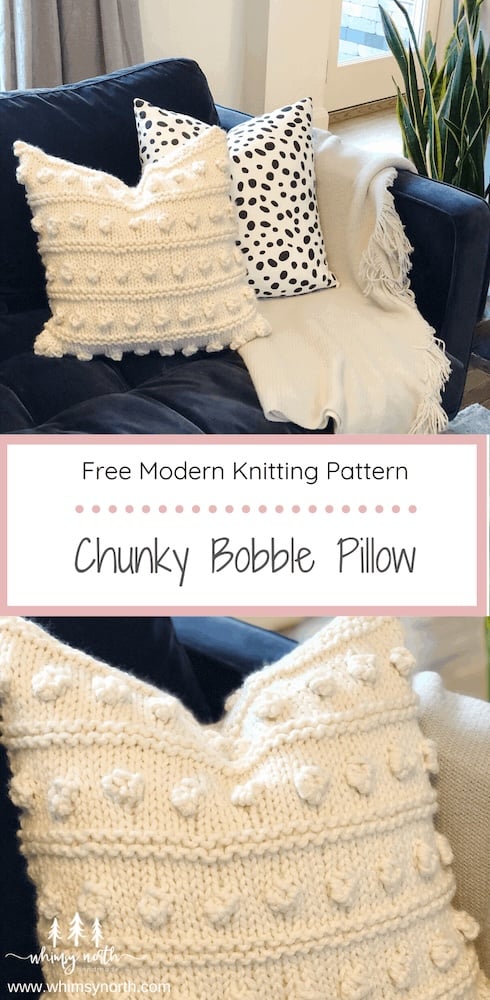
Chunky Bobble Pillow – Free Pillow Knitting Pattern by Whimsynorth
This pattern will show you how to make a pillow with a bobble design.
It's knit with Lion Brand Wool Ease Thick and Quick and US 13 circular needles.
Plus, there is a video tutorial to help you along.
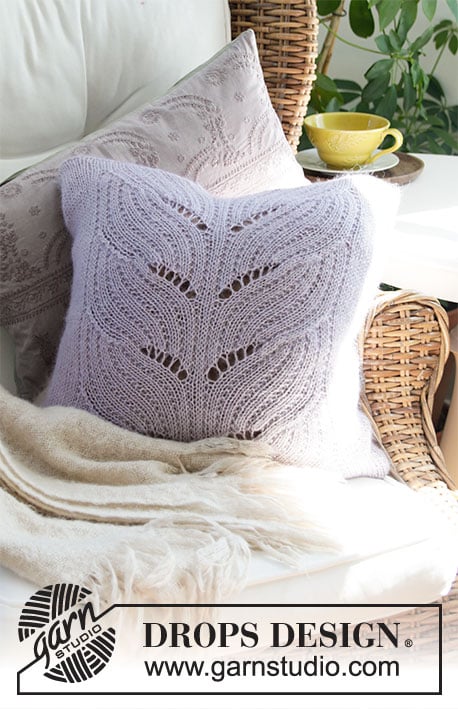
Lilac Leaves by DROPS Design
Knit a unique pillow cover with this free pattern.
The lace design makes for a great project.
Knit one for you or as a gift.
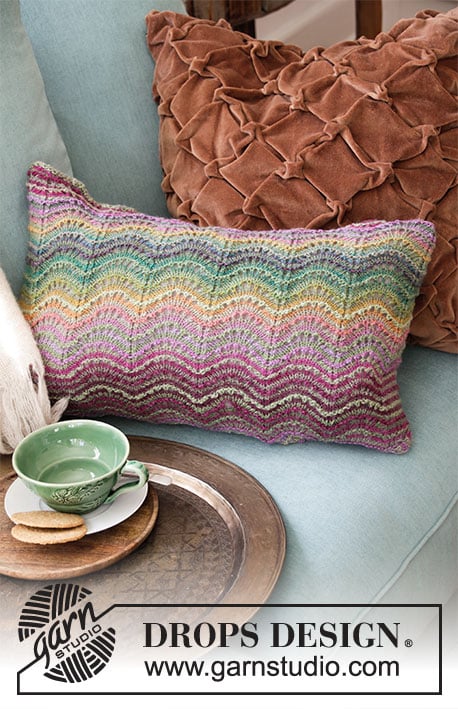
Sunrise Memories by DROPS Design
Make a beautiful pillow with this free pattern.
The wave like ripple design on this long rectangle pillow makes for an interesting project.
The pattern is available in multiple languages.
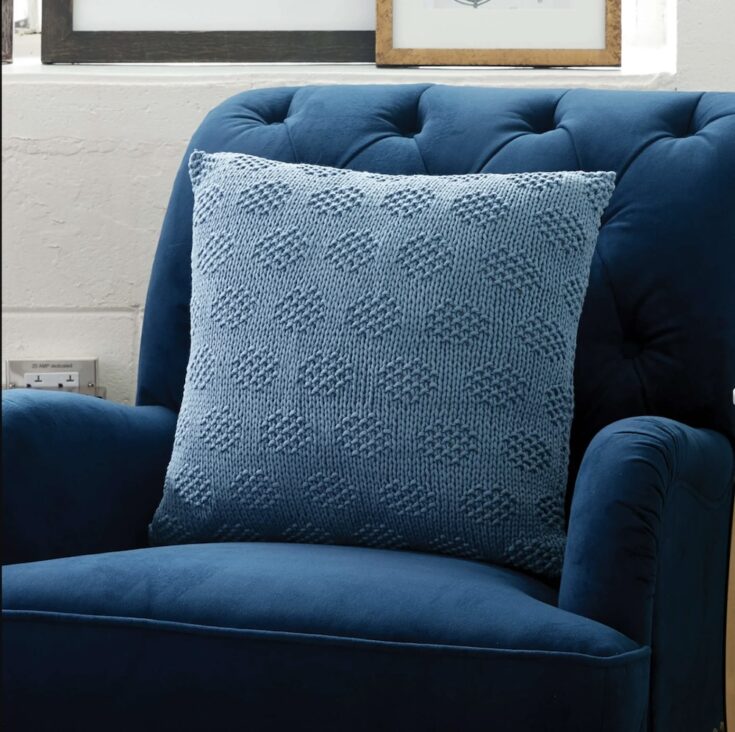
Free Bernat Mossy Dots Knit Pillow Pattern by Yarnspirations
This pattern will show you how to knit a stylish pillow.
The combination of the stockinette stitch and seed stitch will create an interesting texture.
You can also add oversized tassels to complete the look.
Grab the free PDF pattern on Yarnspirations.
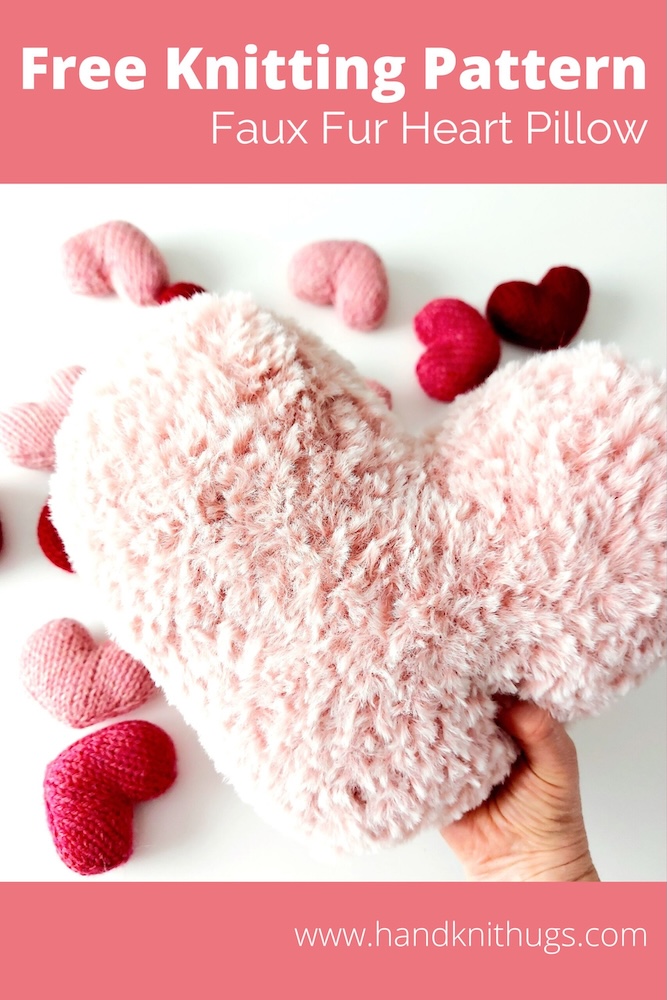
Faux Fur Heart Pillow by HandKnit Hugs
Knit a heart-shaped pillow with this free pattern.
All you need is faux fur yarn and 8 mm double-pointed knitting needles.
This will be the perfect pop of color to your home decor.
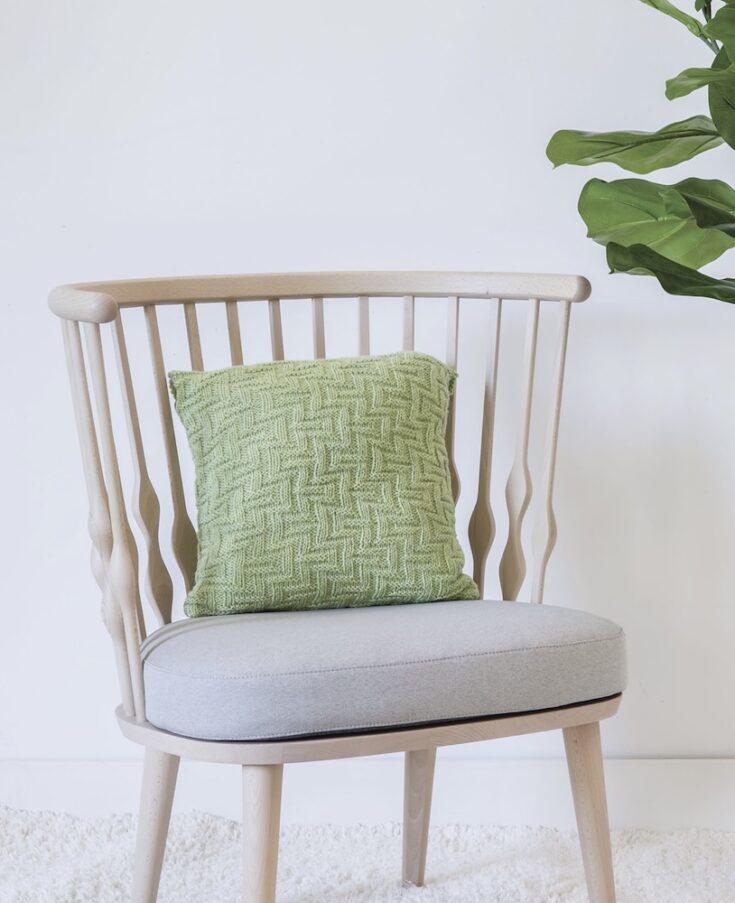
Labyrinth Pillow by Andrea Yetman
This pattern will show you how to knit a beautiful pillow.
Make one in all your favorite different colors.
Grab the free pattern on Knit Picks.
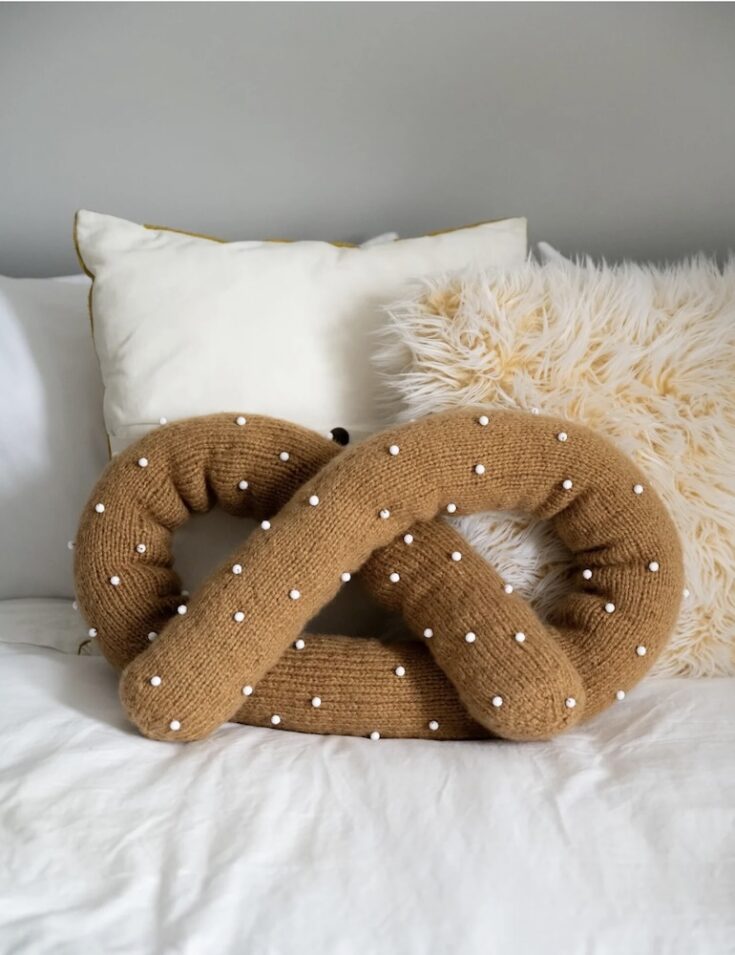
Pretzel Pillow by Lion Brand Yarns
Make a pretzel-shaped pillow with this free knitting pattern.
This is a fun project, but the result is also stylish and will look amazing in your home decor.
Grab the free PDF pattern on Lion Brand Yarns.
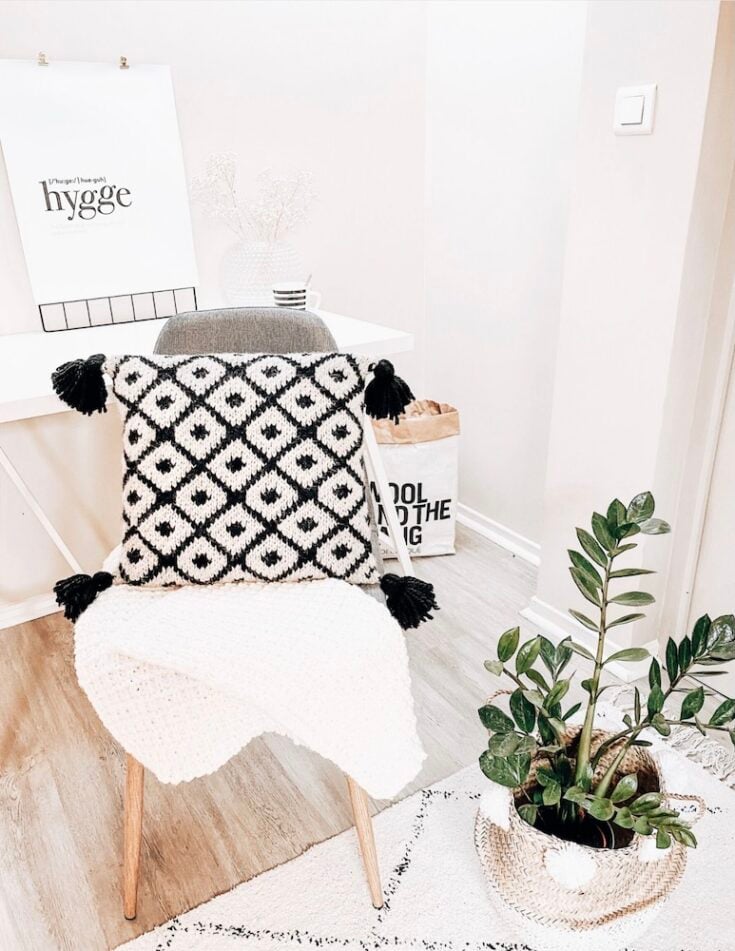
The Linzer Throw by Katimaaria
Knit a bohemian pillow with this free knitting pattern.
The pattern includes a diagram, written instructions, photos, and a video tutorial to help you along.
Knit for one for you or as a gift.
Slip Stitch Throw & Pillow by Cascade Yarns
This pattern will show you how to make a throw and pillow set.
Knit with the slipped stitch, this is a great project for all makers.
Grab the free pattern on Cascade Yarns.
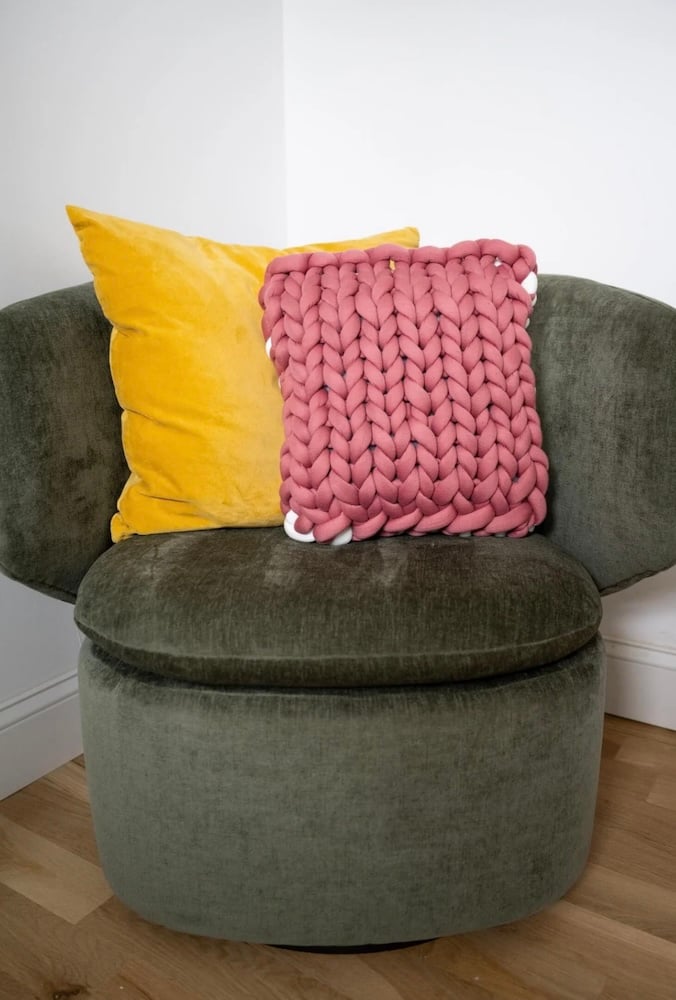
Two-Color Pillow by Lion Brand Yarns
Make a chunky pillow with this free knitting pattern.
The perfect way to utilise the chunky yarn in your stash.
Grab the free PDF on Lion Brand Yarns.
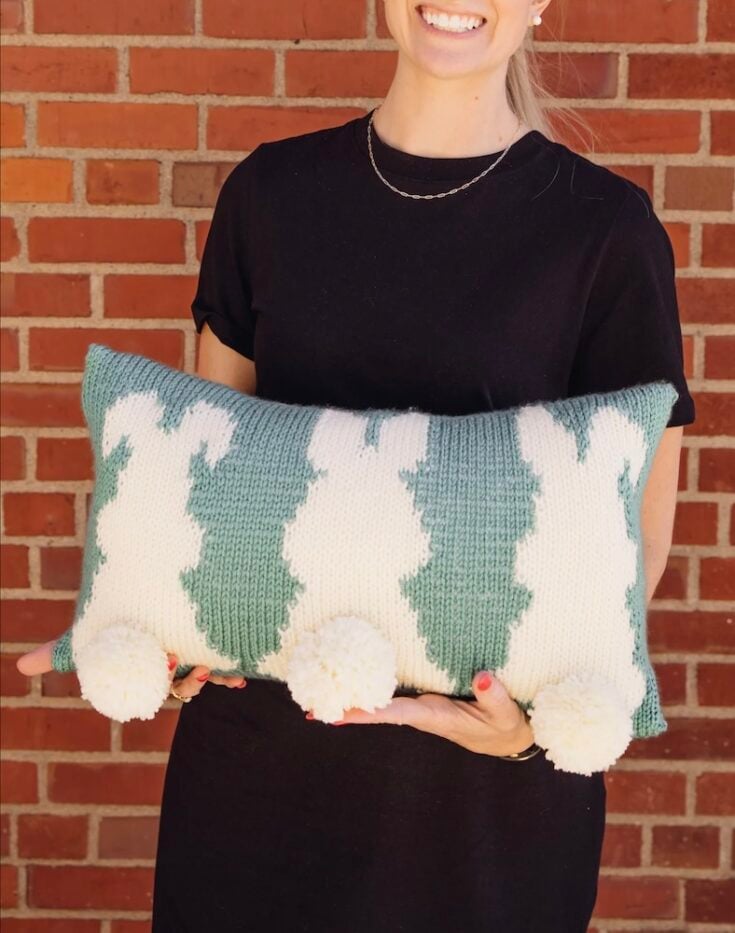
Cotton Tails Pillow – Free Knit Pattern by Cozy Nooks Designs
Knit in one piece with worsted weight yarn and minimal seaming, it’s a quick and satisfying project for intermediate beginners.
The fluffy pom-pom tail adds a whimsical touch, making it a cozy and charming accent for any room.
What Supplies Do You Need To Knit A Pillow?
Knitting a pillow is a fun and satisfying project, whether you’re dressing up your sofa or crafting a heartfelt, handmade gift.
Here’s a list of everything you’ll need to get started!
1. Yarn
Choose yarn based on the look and feel you want.
A natural fiber, like Cotton, wool blend, or even artificial ones like acrylic, is a great choice.
Worsted (medium), bulky, or super bulky is ideal for pillows.
Solid colors, variegated yarn, or textured yarns like boucle or chenille yarn add visual interest.
Check your pattern for the recommended yarn type and quantity.
Pillows often require 1–3 skeins, depending on size and stitch.
Helpful resources
2. Knitting Needles
Select needles based on your yarn weight and pattern:
- Straight or circular knitting needles (usually US size 8–11 / 5–8 mm)
- Double-pointed needles (DPNs) are used for knitting in the round or for decorative shaping. – The Best Double-Pointed Knitting Needles – A Guide
Always swatch first to ensure your gauge is accurate.
3. Pillow Insert or Filling
Options include:
- Pre-made pillow insert (standard sizes like 16″x16″, 18″x18″, etc.)
- Polyester fiberfill stuffing (great for custom shapes or textures)
Choose an insert about 1″ larger than your finished cover for a fuller look.
4. Tapestry Needle / Yarn Needle
You’ll need this for:
- Sewing pieces together with the mattress stitch (if working flat)
- Weaving in ends
- Closing seams or inserting zippers/buttons
5. Scissors
A sharp pair for cutting yarn cleanly—essential for finishing your project.
Optional (But Useful) Extras
- Stitch markers – Help track pattern repeats or row beginnings
- Zipper, buttons, or envelope-style flap – For removable covers
- Blocking tools – To shape and smooth your knitted fabric
Related post: Knitting Tools For Beginners + Essential Accessories
Knitted Pillow Sizes Guide: How Big Should Your Pillow Be?
Whether you’re knitting a cozy couch companion or a decorative bed accent, knowing the right pillow size can help you plan your project with confidence.
Here’s your go-to guide for the most popular knitted pillow sizes—and tips to customize them too!
Common Knitted Pillow Sizes
These sizes match standard pillow inserts, making it easy to find filling that fits your beautiful handmade covers.
Pillows come in all shapes and different sizes.
You can make a round pillow, a square, a rectangle, or a heart-shaped one.
- 12 ’’ x 12’’ – 30 x 30 cm – Square
- 16 ’’ x 16’’ – 40 x 40 cm – Square
- 18 ’’ x 18’’ – 45 x 45 cm – Square
- 20 ’’ x 20’’ – 50 x 50 cm – Square
- 26’ ’x 26’’ – 65 x 65 cm – Square
- 12’’ x 16’’ – 30 x 40 cm – Rectangular
- 14’’ x 20’’ – 35 x 50 cm – Rectangular
- 14’’ – 35 cm diameter – Round
- 18’’ – 45 cm diameter – Round
How Much Stuffing Do You Need for Each Pillow Size?
If you’re knitting a pillow and stuffing it yourself (instead of using a pre-made insert), it’s helpful to know how much polyester fiberfill (or a similar filling) you’ll need.
The right amount gives your pillow that perfect balance of softness and support, without being overstuffed or floppy.
Fiberfill Estimates by Pillow Size
These estimates are based on standard densities for soft yet plump stuffing.
Actual needs may vary based on how firmly you like your pillows filled.
- 12 ’’ x 12’’ – 30 x 30 cm: You will need 6–8 oz (170–225 g)
- 16 ’’ x 16’’ – 40 x 40 cm: You will need 10–12 oz (280–340 g)
- 18 ’’ x 18’’ – 45 x 45 cm: You will need 12–14 oz (340–400 g)
- 20 ’’ x 20’’ – 50 x 50 cm: You will need 14–16 oz (400–450 g)
- 26’ ’x 26’’ – 65 x 65 cm: You will need 24–28 oz (680–800 g)
- 12’’ x 16’’ – 30 x 40 cm: You will need 8–10 oz (225–280 g)
- 14’’ x 20’’ – 35 x 50 cm: You will need 10–12 oz (280–340 g)
- 14’’ – 35 cm diameter: You will need 10–12 oz (280–340 g)
- 18’’ – 45 cm diameter: You will need 14–16 oz (400–450 g)
Fiberfill is usually sold in 16 oz (1 lb) or 32 oz (2 lb) bags.
One 1-lb bag is enough for most small or medium pillows.
Using a slightly larger insert than the cover (typically 1–2 inches bigger) creates a fuller, plumper, and more luxurious look.
The pillow will feel firmer, sit better on furniture, and avoid that saggy or deflated appearance that can happen when the insert and cover are the same size.
How to Adjust for Custom Shapes
For non-standard or shaped pillows (hearts, animals, stars, etc.):
- Use the surface area + depth to estimate how much stuffing you’ll need.
- It’s better to buy slightly more than run out mid-project—leftovers can always be used for toys or mini pillows!
Pro Tips for Stuffing Your Knitted Pillow
- Layer gradually: Add stuffing in small handfuls to avoid lumps.
- Fill the corners first: Use a knitting needle or chopstick to push filling into edges.
- Don’t overstuff: Knit fabric stretches! Too much filling can warp your design.
- For removable covers: You can still use stuffing by creating a fabric pillow insert to contain the fiberfill inside.
What is the best filling material for a pillow?
The best filling material for a knitted pillow depends on your desired texture, shape, and intended use.
Here are the most popular and practical choices:
1. Polyester Fiberfill (Polyfil):
This is the most common and affordable option. It’s lightweight, hypoallergenic, machine washable, and gives a soft, puffy feel. Ideal for handmade and decorative pillows, fiberfill is easy to adjust and works well for both square and shaped designs.
2. Pillow Inserts (Pre-made):
For a polished, removable cover look, use standard pillow inserts filled with down, down-alternative, or polyester. These come in various sizes and offer structure while making cleaning easier—just take the insert out and wash the cover.
3. Foam (Shredded or Solid):
Foam provides firmer support and retains shape well. Shredded foam allows more flexibility and squish, while solid foam is ideal for lumbar or floor cushions. Some knitters sew a fabric liner around the foam to help the knitted cover grip better.
4. Wool Roving or Batting:
Natural wool stuffing offers eco-friendly warmth and a slightly denser, supportive feel. It’s breathable and holds shape nicely but is more expensive and usually requires a liner to avoid poking fibers.
5. Recycled/Upcycled Filling:
Scraps of yarn, fabric, or old clothing can be used as a sustainable stuffing alternative—great for scrap busting and adding unique texture and weight to your pillow.
Tip: If you’re using fiberfill or loose material, consider creating a fabric insert to hold the stuffing in place, giving your knitted cover better structure and longevity.
Knitting Lessons
If you are new to the craft and need help with the knitting basics, check out more free how-to resources here: Knitting Lessons (With Video Tutorials).
- This includes cast-ons, bind-offs, basic knit stitches, short rows, and more.
- Also included is a list of knitting abbreviations (UK + US terms), a knitting needle size guide, and more.
- You can also check out this step-by-step guide on how to knit for beginners. – How To Knit – A Complete Beginner’s Guide
- If you need more video tutorials, check out my YouTube channel here. – Handy Little Me – YouTube.
- For extra help and to connect with more makers from the crafting community, check out the Handylittleme Facebook group.
- If you also love to crochet, check out easy patterns here. – Free Crochet Patterns
- You can also find us on social media, Ravelry, Pinterest, Instagram, Twitter, Etsy, and TikTok.
More Patterns You May Be Interested In…
- 20 Temperature Blanket Patterns (The Ultimate Guide)
- How To Knit A Hat With Circular Needles (Step-By-Step)
- How To Knit Baby Booties (Step-By-Step)
- 15 Free Knitted Hot Water Bottle Cover Patterns
- Free Knitted Dishcloth Patterns
- 37+ Patterns To Use Up Your Yarn Stash (Small Projects)
- Super Easy Corner To Corner Baby Blanket Pattern (Knit)
- Easy Baby Sweater Knitting Pattern For Beginners
- How To Knit A Baby Hat (Straight Needles)
- Pumpkin Knitting Pattern (Beginner Friendly!)
- 8 Cable Stitch Knitting Patterns
- Free Knitted Heart Pattern (Easy + Quick Project)
- 20+ Fall Oversized Knits (Sweater Knitting Patterns)
- Ribbed Beanie Knitting Pattern (Unisex Mariner’s Hat)
- 33 Free Knitted Placemat Patterns (Easy Projects)
- 17 Free Basket Knitting Patterns (Perfect for Your Home)
- Easy Knit Coaster Patterns – 10 Free Designs
- 20+ Free Rug Knitting Patterns (Home Decor DIY)
- Easy Cotton Placemat Knitting Pattern (Perfect For Dining)