
What Is Duplicate Stitch In Knitting? A Simple Guide
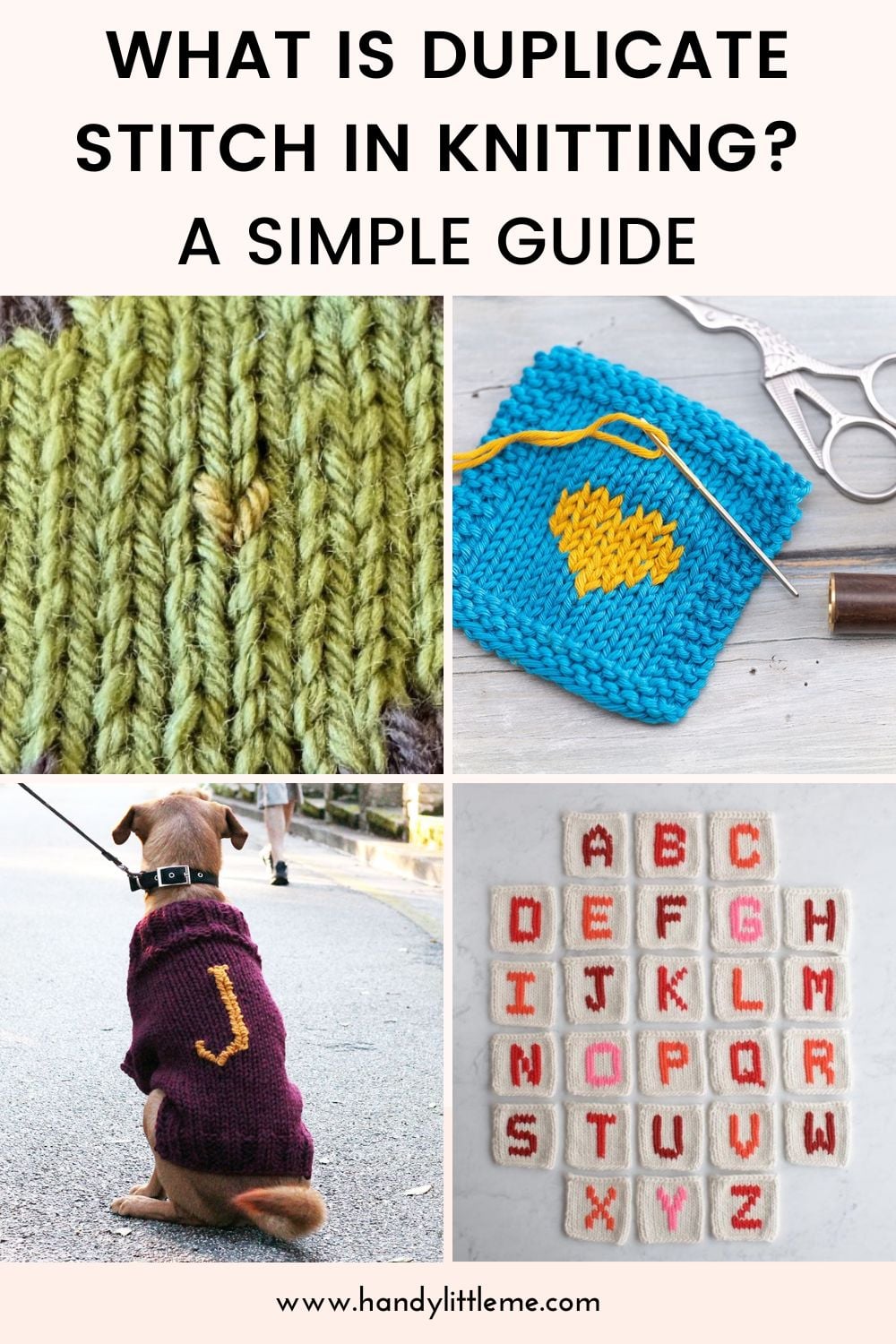
THIS ARTICLE CONTAINS AFFILIATE LINKS THAT SUPPORT HANDY LITTLE ME CONTENT AND FREE PATTERNS.Duplicate stitch, also known as Swiss darning, is a wonderfully easy way to add color, lettering, motifs, and decorative details to your knitting after you’ve finished the main fabric.
It’s perfect for beginners who aren’t ready for Fair Isle or intarsia, and for experienced knitters who want a quick way to personalize a project without juggling multiple strands of yarn.
All you need is a tapestry needle, a length of yarn in a contrasting color, and your finished knitted piece.
With a few simple stitches, you can “trace” over your knit stitches to create clean, colorful shapes that look as if they were knitted in from the start.
In this guide, you’ll learn what duplicate stitch is, when to use it, tutorials, how to plan your designs, answers to common questions, motif ideas, and helpful tips for a neat finish.
Save this article
Enter your email address and we'll send it to your inbox.
By entering your email, you agree to receive patterns, tutorials, and updates from Handy Little Me. Unsubscribe at any time.
Duplicate Stitch Knitting Tutorials
Browse the tutorials below to learn duplicate stitch in knitting; add colorwork details, personalize projects, and fix small mistakes with confidence.
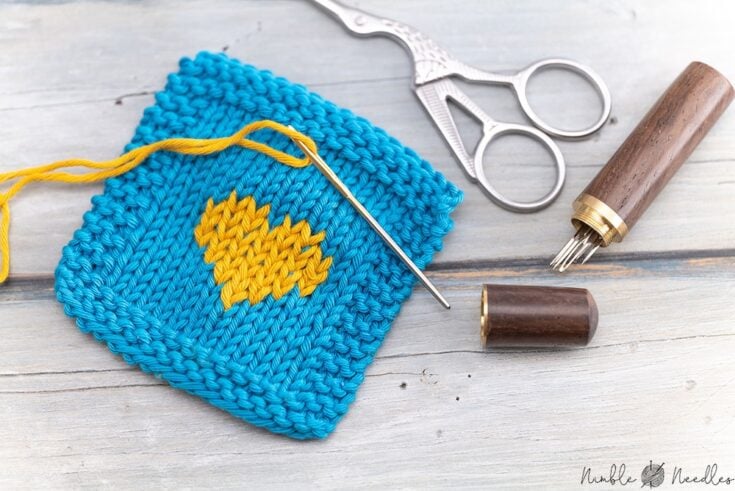
Duplicate Stitch Tutorial by Nimble Needles
This detailed tutorial walks you through duplicate stitch with clear, close-up photos and helpful explanations, making it perfect for visual learners.
The guide focuses on how to use a tapestry needle and contrast yarn to neatly trace over your knit stitches for a clean, professional finish.
With tips for working on both stockinette and garter stitch, it’s an excellent resource for anyone wanting to add bold shapes and colorwork details to their knitting without tackling Fair Isle.
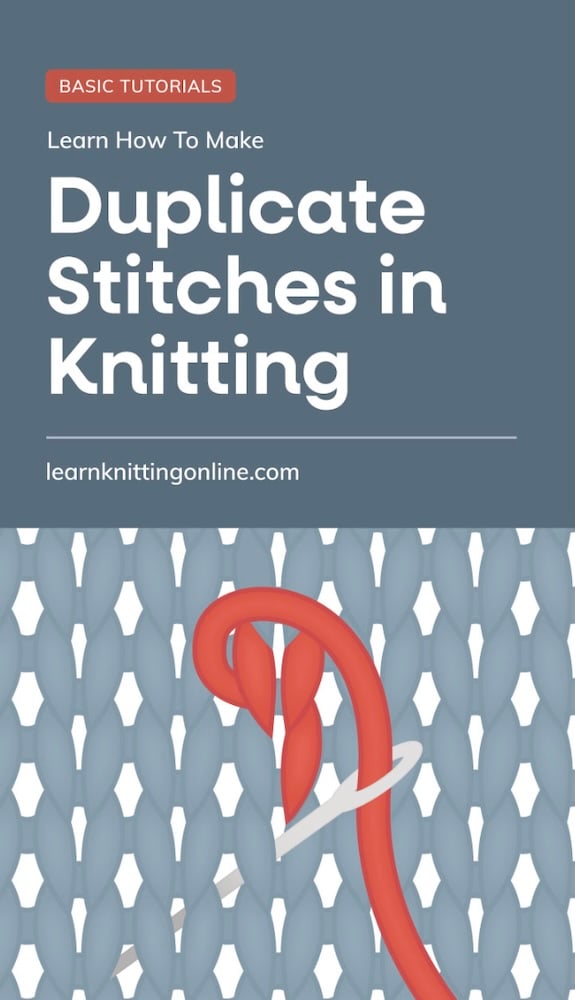
Duplicate Stitch Guide by Learn Knitting Online
This beginner-friendly tutorial explains how duplicate stitch works and why it’s such a useful technique for adding designs, fixing colorwork errors, or personalizing your knits.
The instructions walk you step-by-step through the process of tracing over your knit stitches, with helpful tips on choosing yarn, maintaining tension, and planning your motif.
It’s a great place to start if you’re learning colorwork or want to experiment with simple decorative stitching.
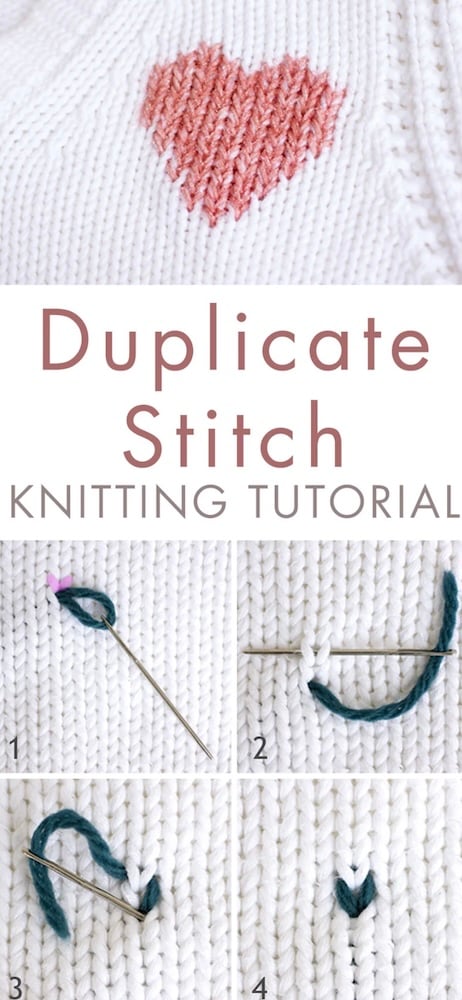
Duplicate Stitch Embroidery Tutorial by Bee’s Knees Industries
This tutorial introduces duplicate stitch as a stretchy, knit-friendly alternative to traditional embroidery, showing you how to work decorative stitches without restricting the drape of your fabric.
With bright, charming example photos, it explains how to match yarn thickness, follow the shape of your stitches, and build colorful motifs on top of knitted pieces.
If you like whimsical or illustrative designs, this guide is a fun and inspiring resource.
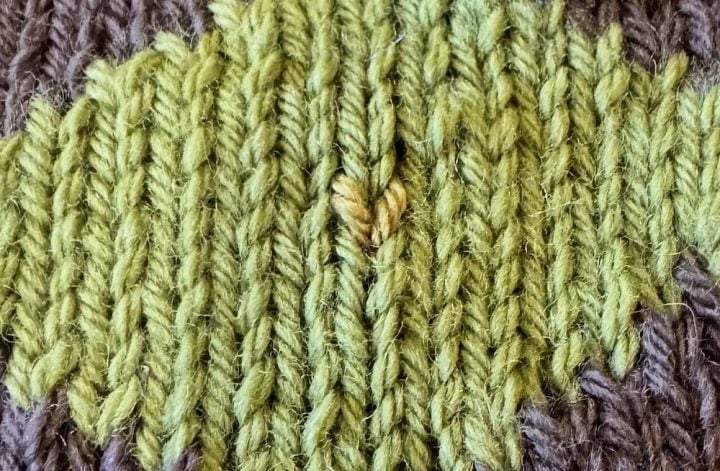
Duplicate Stitch Basics by Our Daily Craft
This guide offers a straightforward, approachable introduction to duplicate stitch and why it’s such a great option for easy embellishment.
The post walks you through placing your yarn, following the V of your stitch, and building simple shapes on stockinette fabric.
With practical tips and friendly encouragement, it’s a lovely tutorial for beginners who want to add quick touches of color or playful details to finished projects.
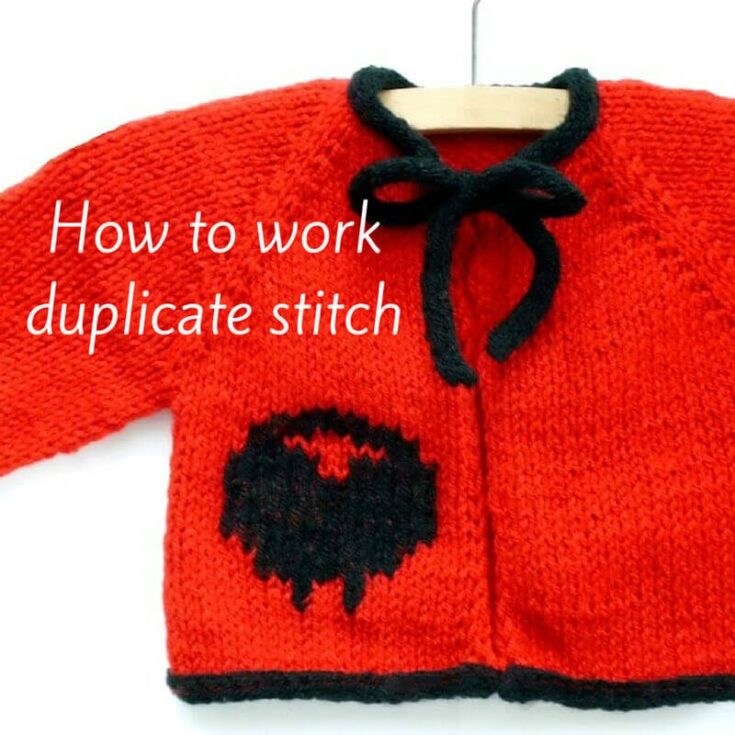
Duplicate Stitch Tutorial by La Visch Designs
This step-by-step tutorial shows you exactly how to work duplicate stitch with clear photos and helpful explanations geared toward beginners.
You’ll learn how to bring your yarn into the base of the stitch, follow the legs of the V, and create smooth, even stitches that sit neatly on top of your knitting.
It’s a clean, well-laid-out guide that’s perfect for learning the technique or refreshing your skills before adding motifs to your next knit.
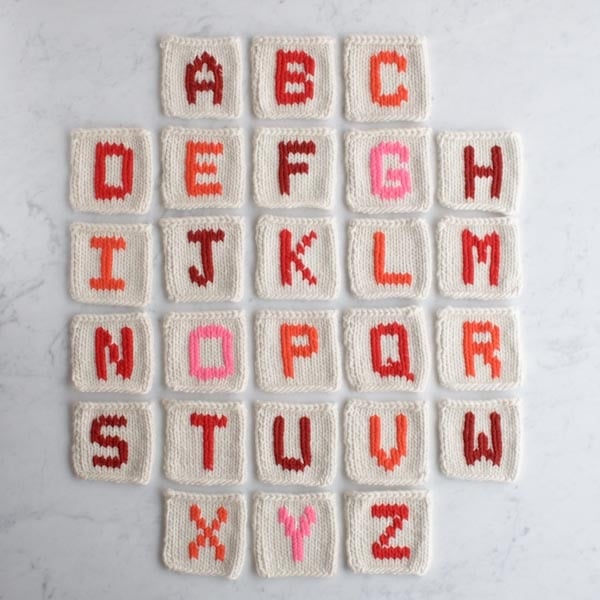
Duplicate Stitch Tutorial by Purl Soho
This sleek and stylish tutorial offers clear, elegant instructions on how to add duplicate stitch to your finished knitting with confidence.
The guide emphasizes good technique—choosing matching yarn weight, maintaining smooth tension, and following the paths of your knit stitches with precision.
With clean design and artful photos, it’s a great reference for knitters who appreciate beautiful presentation alongside practical instruction.

Easy Duplicate Stitch Tutorial by Little Red Window
This easy-to-follow tutorial explains the duplicate stitch technique in a warm, beginner-friendly way—perfect for those trying it for the first time.
You’ll find step-by-step photos and straightforward language that walks you through using a tapestry needle, selecting yarn, and producing neat, decorative stitches on your knit fabric.
It’s a lovely resource if you’re ready to personalize your knits with names, hearts, or simple motifs.
What Is Duplicate Stitch In Knitting?
Duplicate stitch is a technique where you embroider over an existing knit stitch to create a new stitch in a different color.
Using a tapestry needle, you follow the path of the original V-shaped knit stitch, creating a new decorative stitch that blends into the fabric seamlessly.
It’s a great way to:
- Add motifs and shapes to finished knits.
- Personalize projects with names or initials.
- Fix or correct mistakes in colorwork.
- Add extra color to your knitting project without changing the pattern.
Because you’re working on top of the original stitches, the new “fake stitch” sits on the surface and looks just like regular knitting.
When To Use Duplicate Stitch In Knitting
Duplicate stitch is ideal whenever you want to add designs, text, or pops of color without committing to stranded knitting or intarsia.
It works beautifully on stockinette stitch, where the smooth fabric provides a clean surface for your decorative stitches.
You can use it to personalize children’s garments (or dog sweaters) with initials, decorate hats and sweaters with small motifs, or add facial features like eyes to knitted toys.
It’s also helpful for correcting colorwork mistakes or filling in areas where the original colorwork was uneven.
Whether you’re embellishing a finished piece or updating an older knit, duplicate stitch is a simple, effective technique that can transform your project.
Related Post: Mischief Managed Dog Sweater Knitting Pattern

How To Turn Any Knit Into A Holiday-Themed Project with Duplicate Stitch
Duplicate stitch is also perfect for transforming any knit into a holiday-themed piece without having to change your original knitting pattern.
With just a tapestry needle and a contrast color of yarn, you can add festive motifs to sweaters, hats, stockings, scarves, and even knitted blankets.
Think tiny Christmas trees scattered across a plain sweater, classic red-and-white hearts, snowflakes worked over stockinette stitch, or cute features like rosy cheeks and eyes on knitted characters.
It’s a quick and easy way to take a simple knitted item and make it seasonal—ideal for last-minute holiday projects, handmade gifts, or adding cheerful details to a finished piece.
And the best part?
You can remove or change the design later, making duplicate stitch a fun and flexible way to celebrate the holidays with your knitting.
Duplicate stitch motif ideas for Christmas & winter
Here are some simple Christmas and winter design ideas you can add to your next project:
- Mini Christmas trees – Use green yarn and add a tiny brown trunk or a bright yellow star at the top.
- Snowflakes – Work delicate geometric shapes in white or silver yarn for a frosty winter look.
- Candy canes – Red and white stripes are easy to work with and instantly festive.
- Gingerbread men – A cute brown silhouette with little white details brings lots of character.
- Stars – Perfect for winter nights or a subtle holiday touch on sweaters and accessories.
- Holly leaves & berries – A small cluster of green leaves with bright red berries looks lovely on hats or scarves.
- Christmas lights – Add a string of colorful lights across the yoke or brim of a hat.
- Snowmen faces – Use duplicate stitch to add eyes, noses, and happy expressions to knitted toys or children’s knits.
Festive Projects
- Christmas Blanket Knitting Pattern (Free + Festive!)
- How To Make A Chunky Knit Pillow Cover- Free Pattern
- Fair Isle Hat Free Knitting Pattern (Hearts Design)
- Christmas Baby Hat Knitting Pattern
- The 50+ Best Free Knitted Gifts For Christmas
- Free Elf Hat Knitting Pattern – Striped Christmas Hat In 7 Sizes
What Kind Of Yarn Do You Need For Duplicate Stitch?
The yarn you choose can make a big difference in how your duplicate stitches look.
Use the same yarn weight as your project for a perfect match.
If your base knit fabric is quite thick, you can use a slightly thinner yarn to avoid bulk.
Try to match fiber content (wool on wool, cotton on cotton, etc.) so the tension and drape behave similarly.
Choose a contrasting yarn if you want your motif to stand out, or a similar shade for a more subtle effect.
Avoid very fuzzy or textured yarns if you want crisp shapes like letters, stars, or hearts.
Helpful Resources
- Yarn Weight Guide {+Conversion Chart}
- How To Read A Yarn Label (Step By Step)
- Yarn Types Explained: A Guide To Different Fibers
What needles to use for duplicate stitch
For duplicate stitch, a tapestry needle (also known as a darning needle) is your best friend.
Look for a needle with a large eye that can comfortably hold your yarn and a blunt tip that slides under the existing knit stitches without splitting them.
The blunt tip is especially helpful because it lets you follow the lines of the original stitches cleanly, rather than poking into the yarn itself.
The size of the needle doesn’t need to be exact, as long as it suits the thickness of your yarn and feels comfortable in your hand, it will work well for duplicate stitch.
How To Plan A Duplicate Stitch Design
Planning ahead will help your design look centered and balanced.
- Choose your motif – Use a simple chart (like a heart, star, letter, or flower) or draw your own on graph paper.
- Swatch in stockinette stitch – A small stockinette stitch swatch is perfect for practicing your duplicate stitching and tension. – How To Knit Stockinette Stitch (For Beginners)
- Mark the area – Use removable markers or a contrasting sewing thread to outline the space where the design will go.
- Start at the bottom – Begin at the bottom point of your design and work upwards.
- Follow rows or diagonal lines – Working in lines helps you keep track of where the next stitch should be and keeps your motif straight.
- Good light and a relaxed pace will make it much easier to see the sides of the stitch and the base of the stitch as you work.
Duplicate Stitch Motif Ideas (Letters, Hearts, Stars, Flowers, Eyes & More)
Once you’re comfortable with the basic concept, you can start playing with different motifs:
- Letters and initials – Great for personalizing baby knits, hats, and sweaters. Simple block letters in a contrasting color are easy to read.
- Hearts – A classic choice that looks lovely on the front of a sweater, a hat, or a blanket square. Start with a small chart and follow row by row.
- Stars – Use straight and diagonal lines to create crisp points. Mark the center of your star before beginning.
- Flowers – Build up petals with small duplicate stitches and add a different color in the center for interest.
- Eyes and facial details – Perfect for toys and character knits. Duplicate stitch gives you control over the exact placement and size.
You can adapt colorwork charts, knit graphs, or even pixel art as a duplicate stitch chart to add designs to your projects.
Duplicate Stitch Tips For A Neat Finish
Creating neat duplicate stitch is mostly about patience and consistency.
Try to keep your tension even so that the new stitches sit gently on top of the knit fabric without pulling or puckering the original stitches.
Working with shorter lengths of yarn helps to prevent tangles, especially when you’re stitching across a larger area.
Good lighting makes it much easier to see the path of each stitch and place your needle accurately.
It also helps to practice on a small swatch of stockinette stitch before working on your main project, so you can get used to how the yarn feels and how firmly to pull each stitch.
Once you find a rhythm that works for you, duplicate stitching becomes a relaxing way to add personality and detail to your knitting.
FAQs
1. Can a duplicate stitch be used on any knit fabric?
Duplicate stitch can be used on most knitted fabrics, but it looks best on smooth stockinette stitch, where the V-shaped knit stitches are easy to see and follow.
You can also work it on garter stitch, ribbing, or textured patterns, but the design may look a little more raised or irregular because of the underlying texture.
It’s even possible to use a similar method on crochet, especially single crochet, though the finished look will be more like embroidery than traditional duplicate stitch.
In general, the flatter and more even your fabric is, the neater your duplicate stitching will be.
2. Should you do a duplicate stitch before or after blocking?
It’s usually best to block your knitting before adding duplicate stitch.
Blocking helps to even out the tension in your fabric, relax the stitches, and create a smooth, stable surface to work on.
When you add duplicate stitch to a blocked piece, it’s easier to see the paths of the original stitches and place your decorative stitches accurately.
You can lightly block again afterward if needed, but doing the main blocking first will give you more control over the final look.
Learn how to block knits here. – Blocking Knits – How To Block Knitting Guide
3. Will duplicate stitches cover holes?
Duplicate stitch is great for covering small gaps, uneven colorwork, or spots where the tension doesn’t look quite right, but it isn’t suitable for repairing true holes in the fabric.
If the yarn is broken or there’s a real hole forming, you’ll need to darn or mend the area first to restore its strength.
Once the fabric is structurally sound, you can use duplicate stitch on top to disguise the repair or add a pretty motif.
Related post: How To Fix Common Knitting Mistakes
4. How to make a fake stitch
A “fake stitch” is just another way of describing duplicate stitch.
By following the exact path of a knit stitch with a contrasting yarn and a tapestry needle, you create a new stitch that mimics the original one.
5. How to duplicate stitch on a knitted blanket
A knitted blanket is a wonderful canvas for duplicate stitch because it often has large areas of plain knit fabric just waiting for decoration.
Try to keep your tension slightly relaxed so the fabric stays soft and flexible.
Plan your motifs carefully, especially if you’re placing them near the edges or in repeated patterns, and work in good light so you can clearly see each stitch as you trace it.
6. How to duplicate stitch on crochet
You can use a version of duplicate stitch on crochet, particularly on dense stitches like single crochet or half double crochet.
The structure of crochet stitches is different from knitted stitches, so the look will be more like embroidery, but the idea is similar: you’re using a tapestry needle and yarn to create shapes and motifs on the surface.
Insert your needle under the loops of each crochet stitch and build up your design by following a chart or sketch.
This works best for simple shapes and small details.
Patterns You Can Embellish With Duplicate Stitches
- How To Knit A Hat For Complete Beginners (+ Video Tutorial)
- 20 Temperature Blanket Patterns (The Ultimate Guide)
- How To Knit A Hat With Circular Needles (Step-By-Step)
- 31 Free Baby Blanket Knitting Patterns (Easy Knit Blankets)
- How To Knit Baby Booties (Step-By-Step)
- Knitted Dog Sweater Pattern (3 Sizes)
- 12 Simple Knitting Stitches For Beginners
- Free Knitted Dishcloth Patterns
- 37+ Patterns To Use Up Your Yarn Stash (Small Projects)
- Free Dog Sweater Knitting Pattern (Straight Needles)
- Super Easy Corner To Corner Baby Blanket Pattern (Knit)
- Beret Hat Free Knitting Pattern (Fisherman’s Rib)
- How To Knit A Blanket (Free + Easy For Beginners)